
If we can put a man on the moon, we can save the Great Barrier Reef
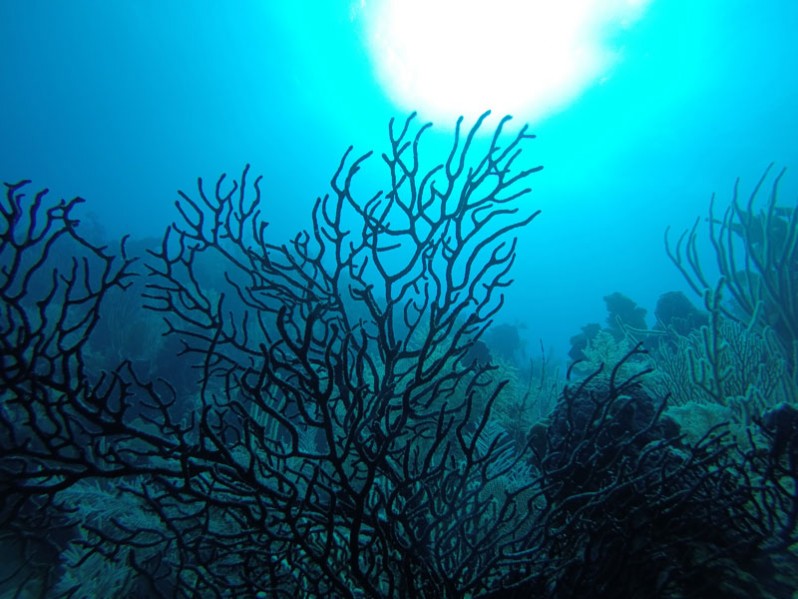
Scientists recently confirmed the Great Barrier Reef suffered another serious bleaching event last summer—the third in five years. Dramatic intervention to save the natural wonder is clearly needed.
Microplastics found in Antarctic ice cores
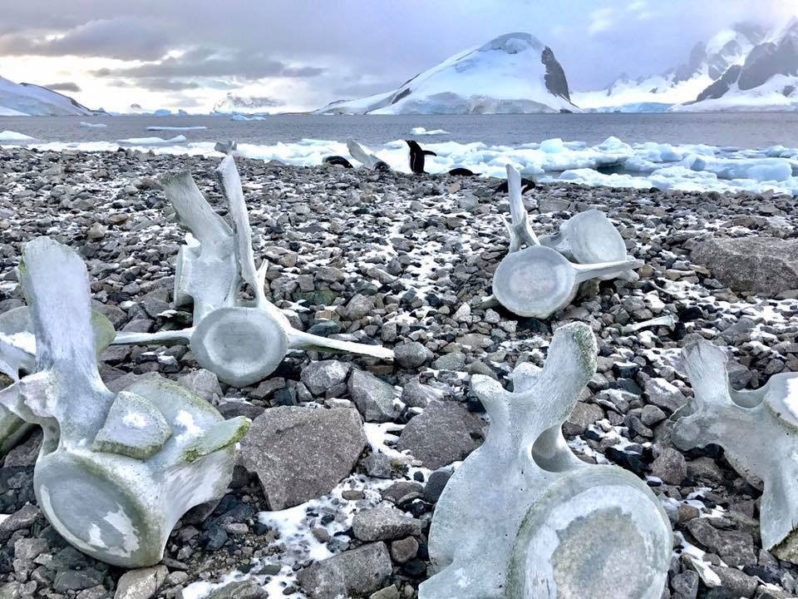
A team of researchers from the University of Tasmania has found evidence of microplastics in ice cores collected off the coast of Antarctica. They also note that prior studies have shown that microplastics in ice can lead to melting due to heat absorption.
Learn from past to protect oceans
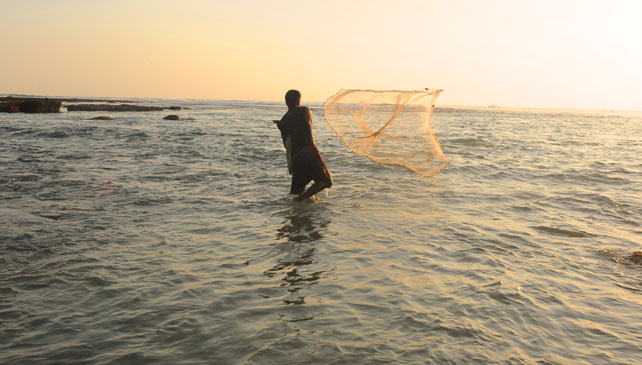
History holds valuable lessons – and stark warnings – about how to manage fisheries and other ocean resources, a new study says.
As sea levels rise, will drinking water supplies be at risk?
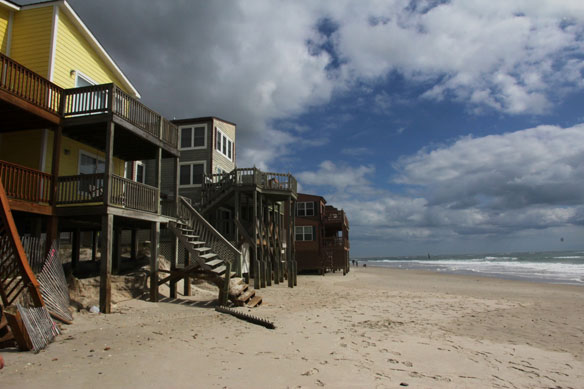
The Delaware River, a major source of drinking water for Philadelphia, is facing an emerging threat as rising seas push saltwater farther upstream. It’s a problem that other places, from Miami to Shanghai, will also confront, especially as increasing drought lowers river flows.
California recycling and plastic pollution initiative
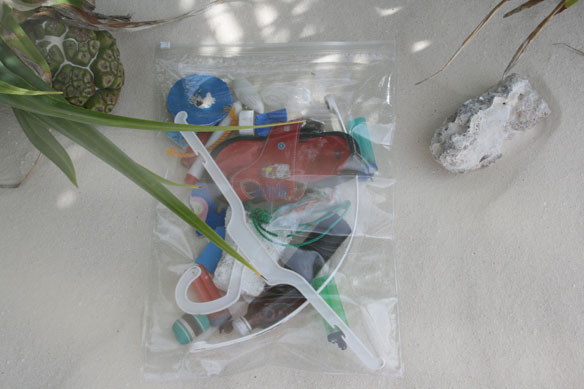
The opportunity for the State of California to move nearer to the goal of Zero Waste may be before California voters on the November 2020 ballot.
Changing the tides
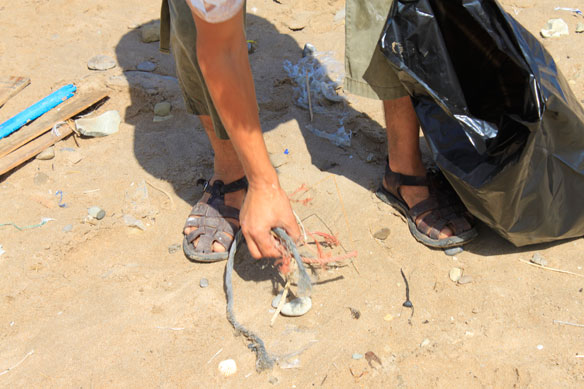
What began as one man on an cleanup mission has grown into one of the US’s most impactful river initiatives.
Sea turtles thriving in Thailand after beach closures
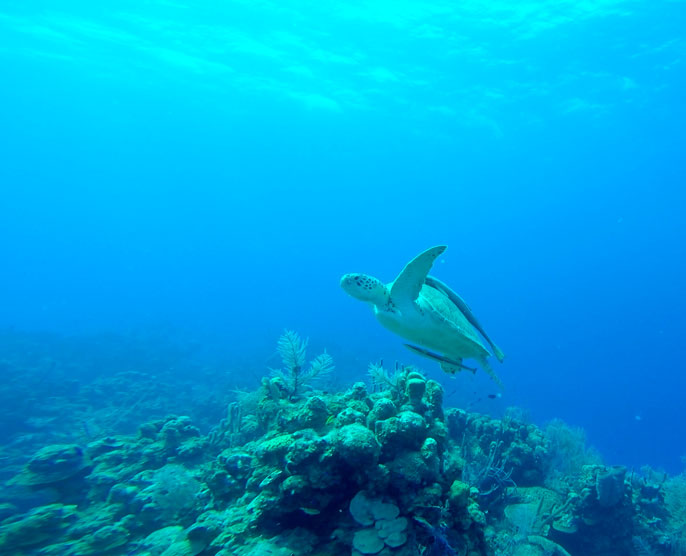
Wildlife around the world is enjoying the lack of human activity due to global lockdowns, and sea turtles in Thailand are part of the trend. Some Thai beaches have seen the largest number of turtle nests in two decades.
Jellyfish seen swimming in Venice’s canals
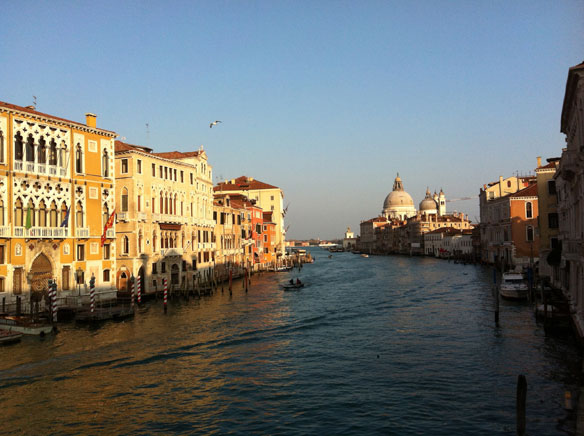
Spotting a beautiful jellyfish serenely swimming through near-transparent waters in the canals of Venice would’ve been an unthinkable sight just a few weeks ago, but the global standstill created by coronavirus has now made it possible.
Flooding will affect double the number of people worldwide by 2030
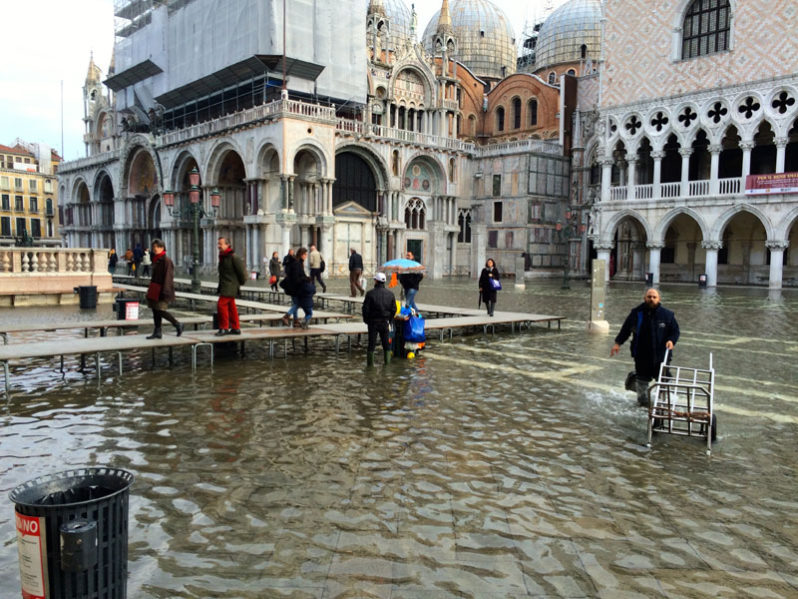
The number of people harmed by floods will double worldwide by 2030, according to a new analysis. 147 million people will be hit by floods from rivers and coasts annually by the end of the decade, compared with 72 million people just 10 years ago.