
Integrating social and ecological science for effective coral reef conservation
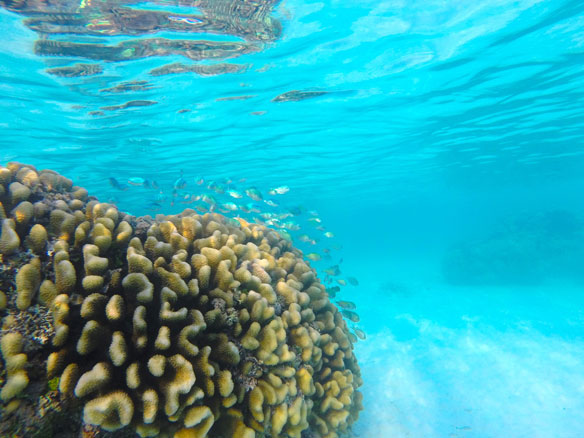
While many conservation plans focus on only environmental indicators for success, a new coral reef program is trying a relatively new approach: focusing on both social and ecological processes and outcomes to ensure a long-term future for coral reef systems.
North Stradbroke Island: sand mining ends in three weeks?
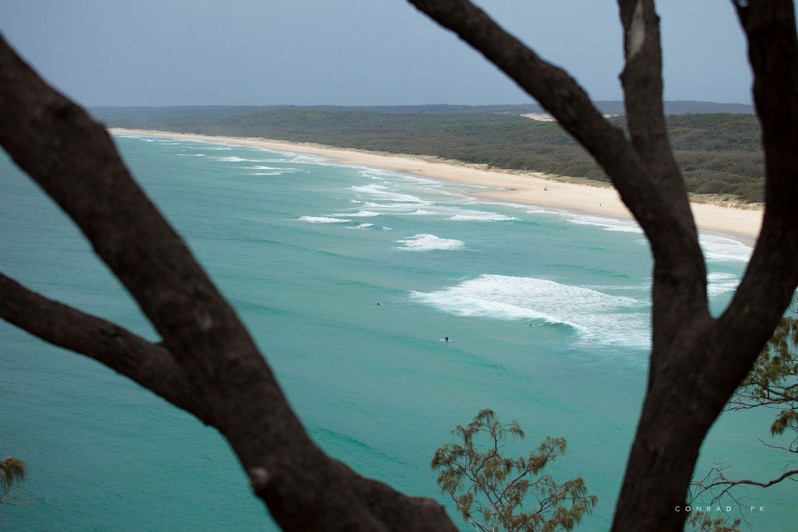
The Australian Labor Government passed laws in 2016 to phase out sand mining on the island by the end of 2019.
Meet the man who swam through the Great Pacific Garbage Patch
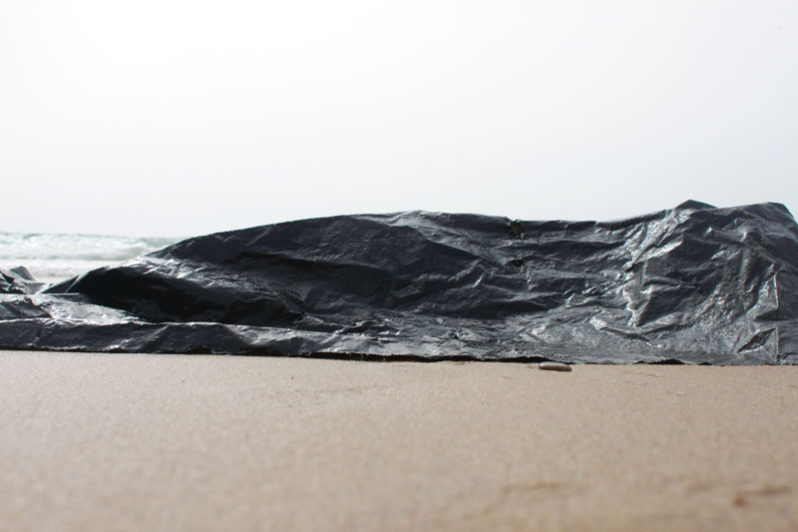
Ben Lecomte, a long-distance swimmer, swam the Great Pacific Garbage Patch from Hawaii to California to draw attention to plastic pollution. This is his Call to Earth.
Why do ocean animals eat plastic?
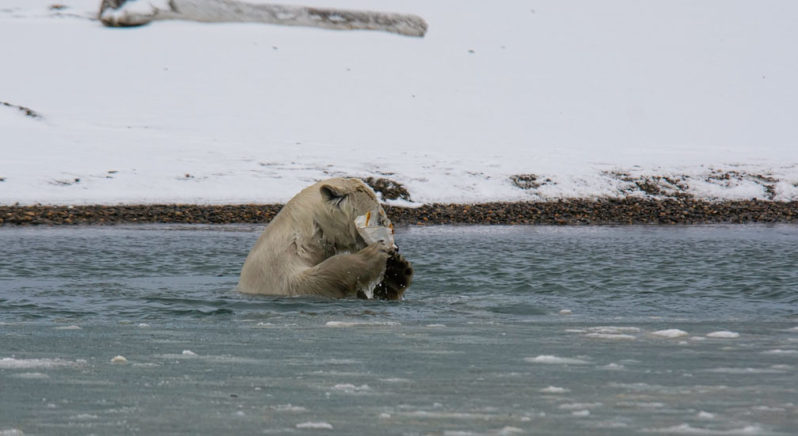
Why would an apex ocean predator eat gloves? Or rope? Or plastic cups? How does a whale end up with more than 200 pounds of waste in its stomach?
Offshore drilling creates these new dangers onshore, environmental report says
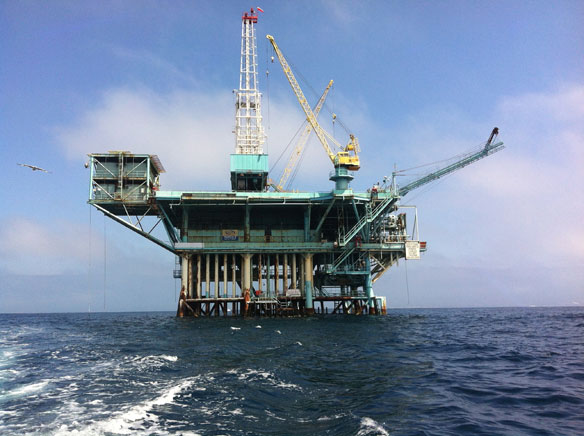
Devastating oil spills of the Deepwater Horizon variety aren’t the only risk posed by expanded offshore drilling in waters off the United States, a new environmental report says.
Biologists investigate mass die-of freshwater mussels
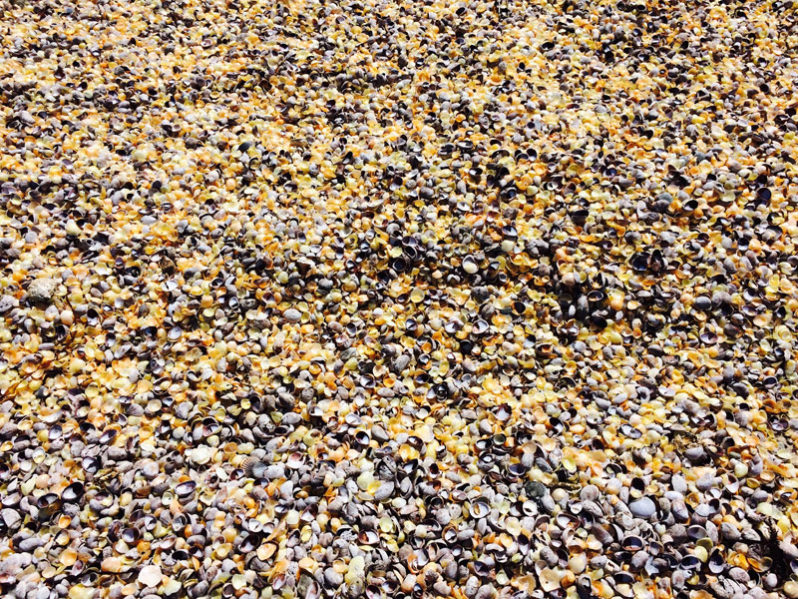
Freshwater mussels, like pollinators and trees, are critical to their larger ecosystems and the world around them. They filter out sediment and agricultural runoff, limiting the size and impacts of dead zones.
A pipeline runs through it
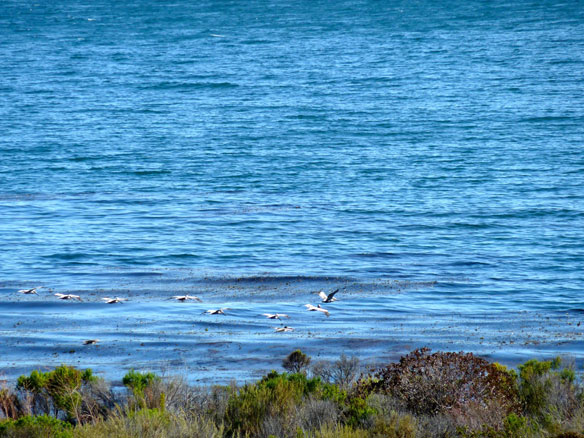
The 600-mile Atlantic Coast Pipeline could soon slice across Appalachia. If completed, the hundreds of miles of 42- and 36-inch diameter steel would carry 1.5 billion cubic feet of natural gas every day.
In the deep end: ‘Life in Troubled Waters’ Exhibit
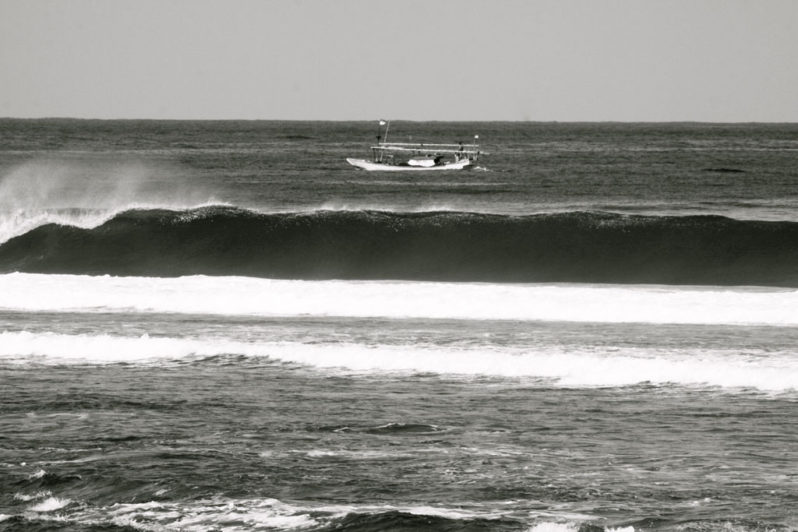
The photographs taken by Selvaprakash Lakshmanan look at the changing Indian coastal landscape that has been affected by erosion, chemical plants, rising sea levels and over-fishing.
Trump administration makes it easier to dredge protected areas to restore beaches

The Trump administration changed a 25-year-old policy to make it easier for coastal communities to take sand from protected ecosystems to improve their beaches. The shift makes it cheaper for some of the wealthiest communities in the country to replenish their beachfronts.