
More than half of U.S. beaches have fecal bacteria, environmentalists say
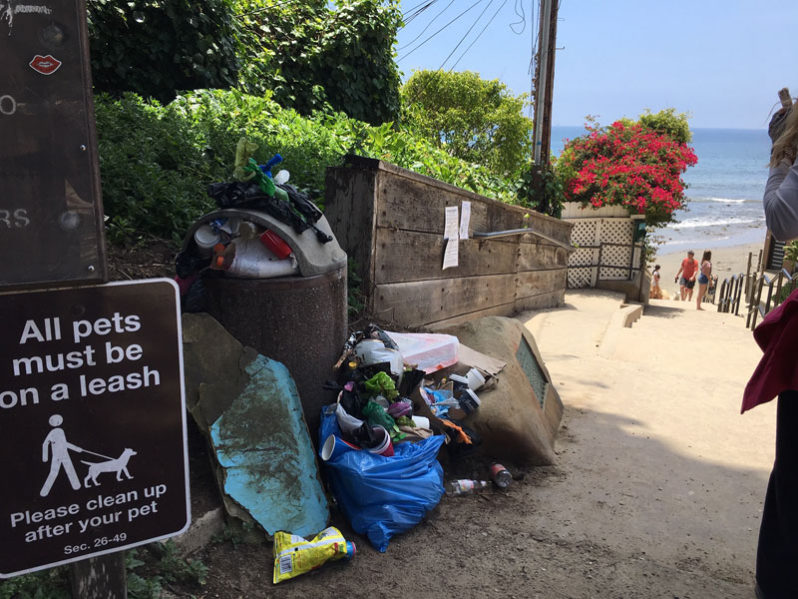
Half the beaches in the U.S. have at least one day per summer season in which it’s not safe to swim because of elevated bacteria levels in the water, according to new report.
Disposable plastic water bottles banned from San Francisco airport
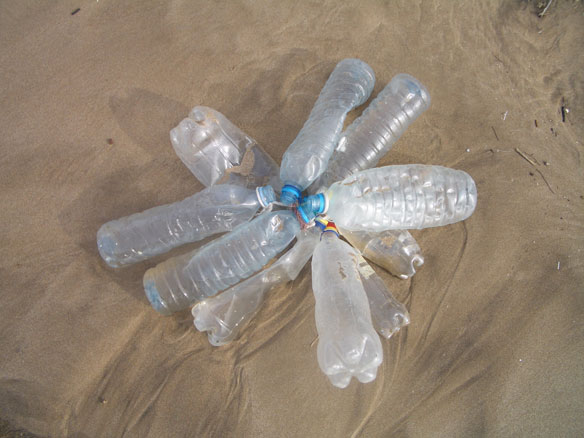
In an effort to make SFO more environmentally friendly, the airport is adding plastic water bottles to its list of restricted food service items starting August 20. The airport, just south of San Francisco, set a goal three years ago of becoming the world’s first zero-waste airport by 2021.
Your favorite pristine beach is founded on mass invertebrate death
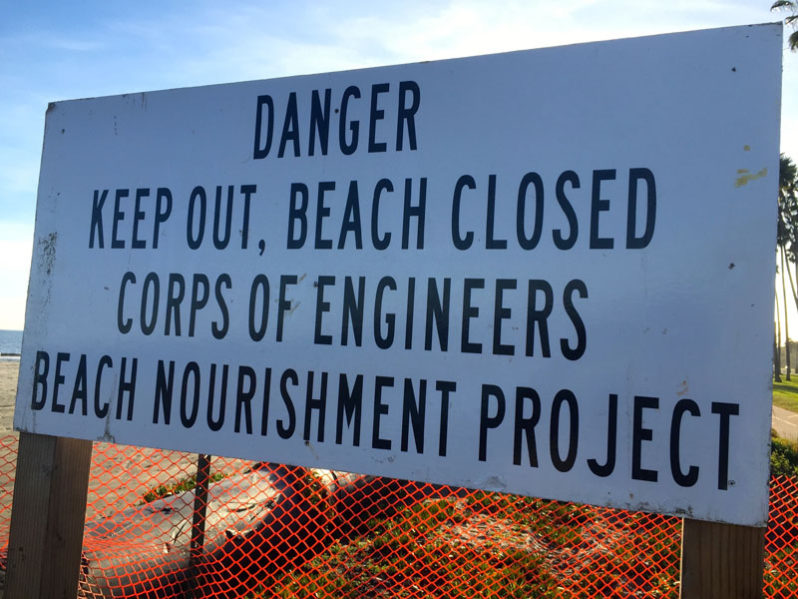
Beach managers import sand and constantly groom shores with heavy machinery, and a recent study in the journal Ecological Indicators shows these managed beaches have much fewer sand-dwelling critters than nearby natural ones.
Sand stolen by tourists returned to Sardinian beaches
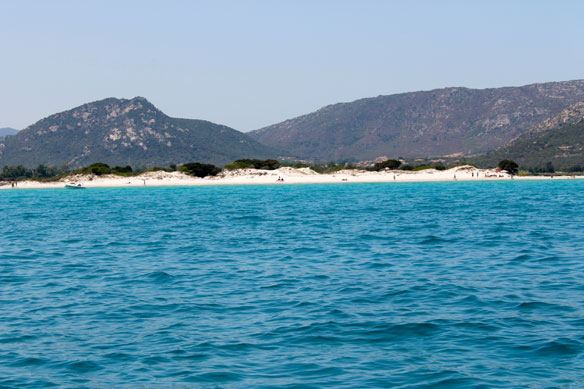
Local authorities and environmental experts have teamed up with Olbia Airport to return sand, pebbles and shells confiscated from travellers’ luggage to beaches on Sardinia’s famed ‘Emerald Coast’.
Rockweed Rescue
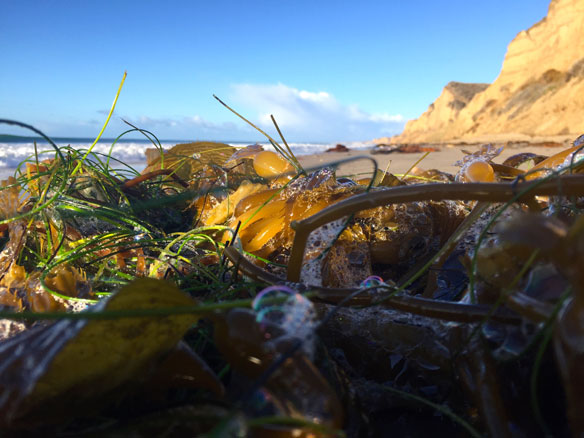
UC Santa Barbara marine scientists to restore rocky intertidal seaweed to boost coastal biodiversity.
This Irish teenager may have a solution for a plastic-free ocean
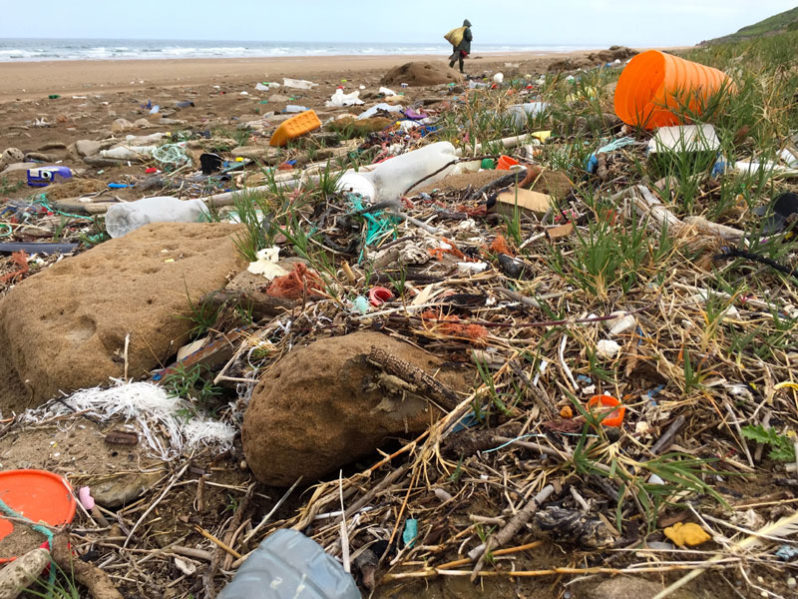
A teenager from Ireland may have found a way to rescue our oceans from the growing plastic pollution problem.
Desert Sand could be the next bonanza for desert countries
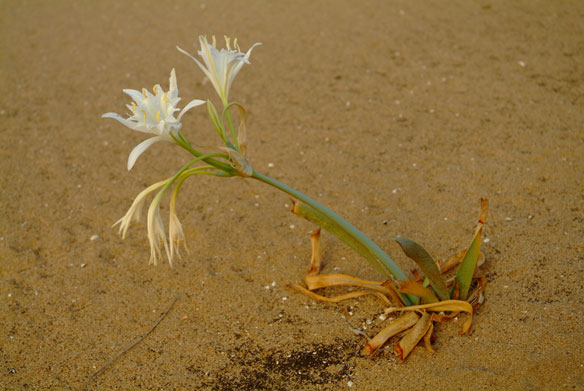
Researchers have developed a new construction material that, unlike concrete, can be made from round grains of desert sand. Finding an alternative to conventional concrete sand would relieve environmental pressure around the world. But it would be a tragedy if the discovery of the usefulness of this readily available commodity led to an unregulated gold rush.
Non-lethal impacts of seabirds’ plastic ingestion
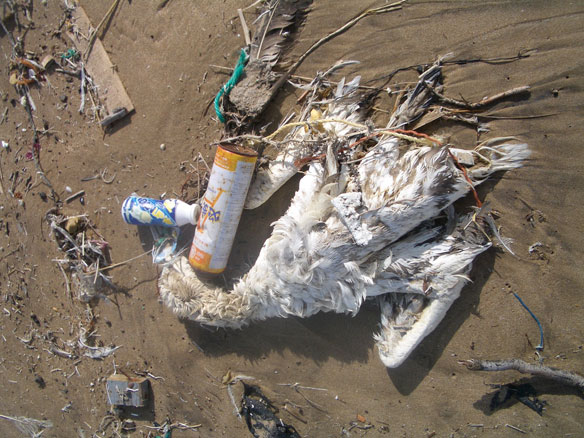
A new study of seabirds that had ingested plastic debris has revealed a range of non-lethal impacts on their health and physiology. While seabird deaths due to swallowing plastic debris or becoming entangled in it have received global attention, the non-lethal effects on seabirds that survive plastic ingestion are less well-known.
How to restore a coral reef
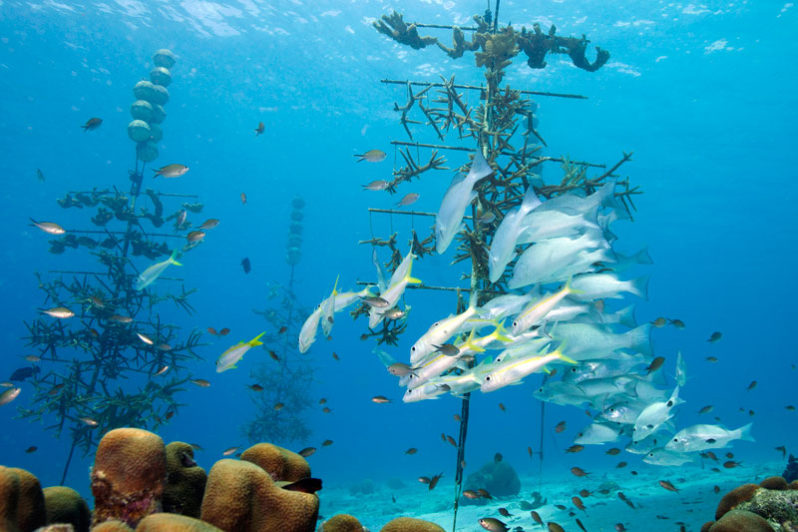
New guidelines drafted by a consortium of concerned experts could enable corals to adapt to changing environments and help restore declining populations in the Caribbean. The guidelines provide a definitive plan for collecting, raising, and replanting corals that maximizes their potential for adaptation.