
Decline in shorebirds linked to climate change, experts warn
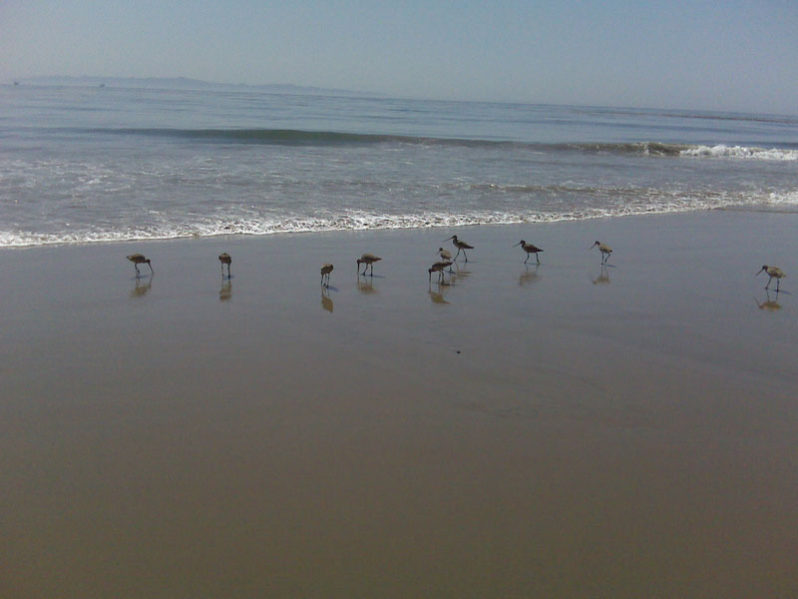
Climate change could be responsible for a substantial decline in populations of shorebirds, say researchers from the Milner Centre for Evolution at the University of Bath, following a study published in Science analysing population data over a period of 70 years.
Modern slavery promotes overfishing

Labour abuses, including modern slavery, are ‘hidden subsidies’ that allow distant-water fishing fleets to remain profitable and promote overfishing, new research from the University of Western Australia and the Sea Around Us initiative at the University of British Columbia has found.
Coastal property was once king. Fears of climate change are undermining its value

In a growing number of coastal communities, homes near the sea are appreciating more slowly than those inland. That’s bad news for people on the beach, good news for those farther away.
Sighting of sperm whales in Arctic a sign of changing ecosystem, say scientists
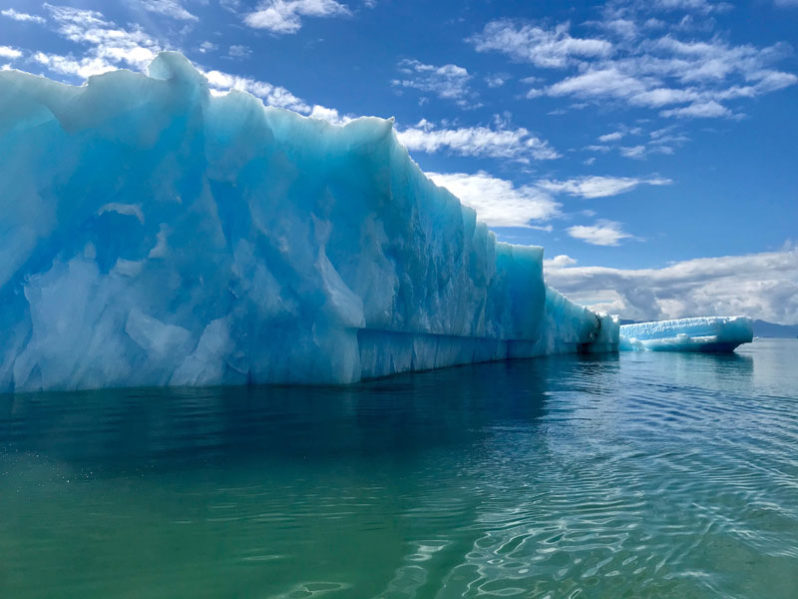
A rare sighting of sperm whales in the Canadian Arctic is the latest sign of a quickly changing ecosystem, say scientists, as a growing number of species expand their range into warming Arctic waters.
Hydropower, innovations and avoiding international dam shame
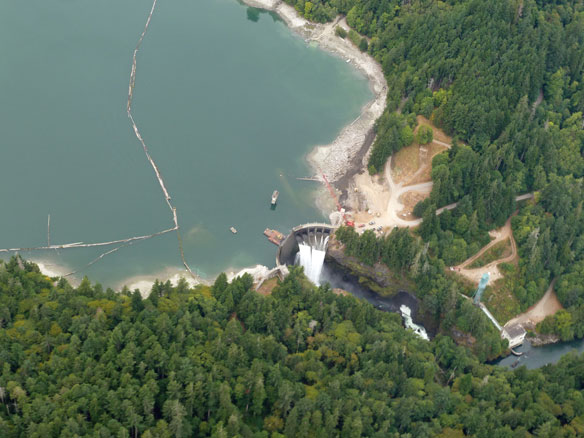
The benefits of energy from dams no longer outweigh the social and environmental costs that damming up rivers brings about.
Watching Out for Whales
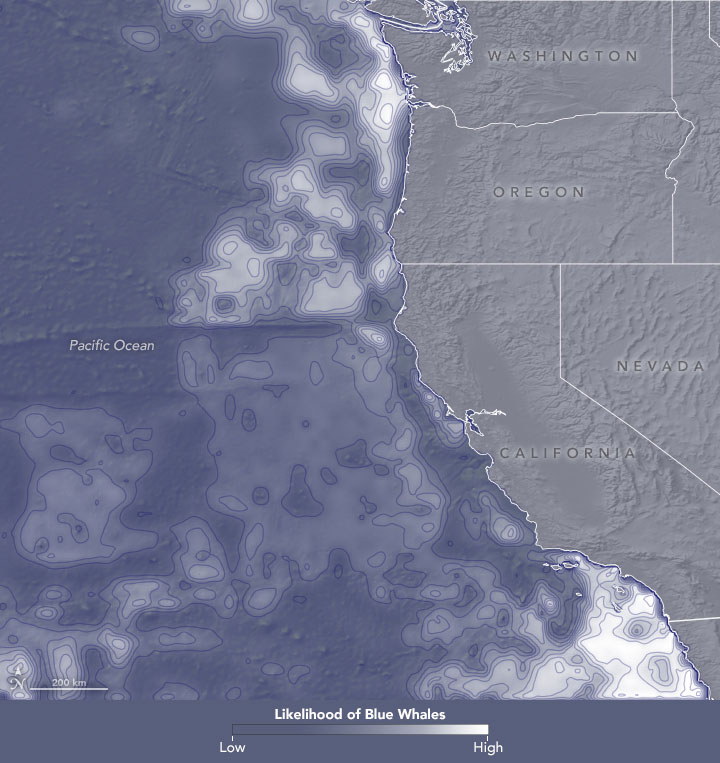
The blue whale—the largest animal on Earth—measures on average 27 meters (89 feet) long. But its impressive size does not mean the species is safe in the sea. A national database for marine mammal health reported that collisions with ships killed 10 of the 12 blue whales found dead along the California coast between 2007-2017.
Humanity has wiped out 60% of animal populations since 1970, report finds

Humanity has wiped out 60% of mammals, birds, fish and reptiles since 1970, leading the world’s foremost experts to warn that the annihilation of wildlife is now an emergency that threatens civilisation.
A running list of action on plastic pollution
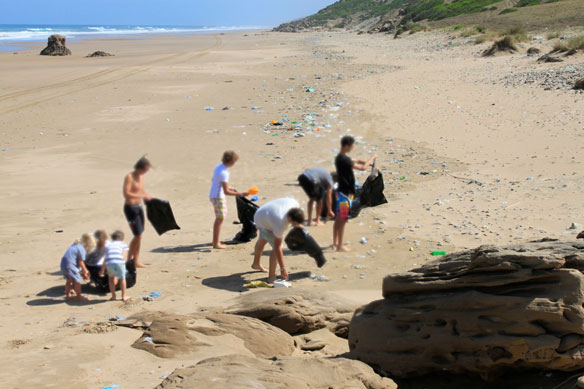
The world has a plastic pollution problem and it’s snowballing—but so is public awareness and action. Each year, an estimated 18 billion pounds of plastic waste enters the world’s ocean from coastal regions. That’s about equivalent to five grocery bags of plastic trash piled up on every foot of coastline on the planet.
Australia joins Clean Seas and pledges to recycle or compost 70 per cent of all plastic packaging by 2025
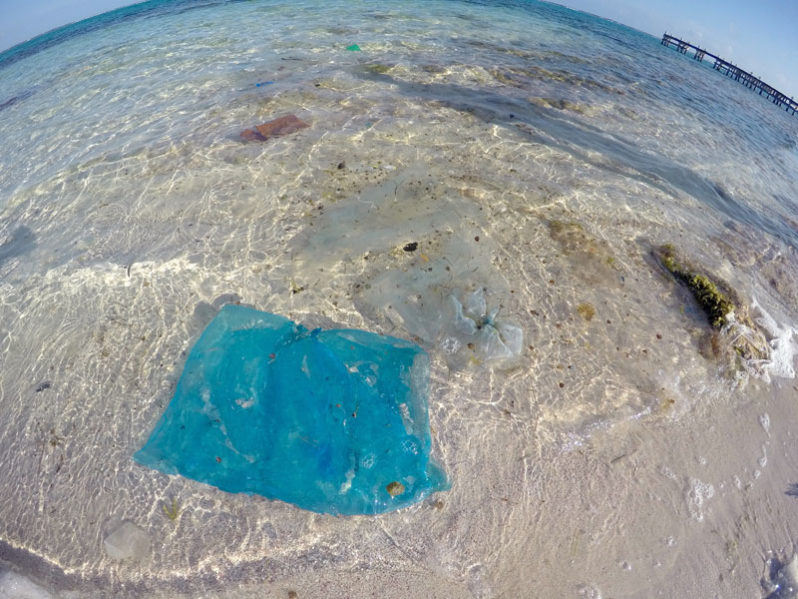
Australia becomes the latest country to join the movement to turn the tide on plastic, as Melissa Price, the country’s minister of the Environment, announces that the country is joining the Clean Seas campaign. Among other things, the country is pledging that 100 per cent of Australia’s packaging will be reusable, compostable or recyclable by 2025, and 70 per cent will be recycled or composted by 2025.