
Plastic-rock hybrids found on the Andaman Islands – Mongabay
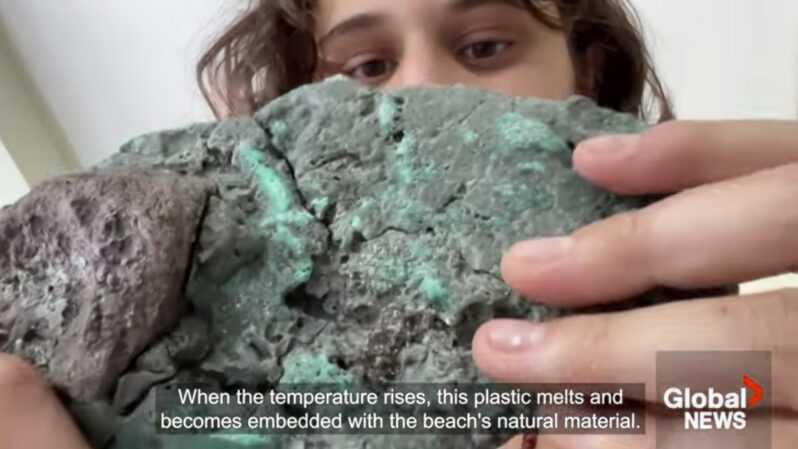
A study found the formation of plastic-rock hybrids in the intertidal zone of remote beaches of Aves Island in the Andaman archipelago. This is a first record of these hybrid rocks, known as plastiglomerates, from India.
Samples from the island that were analysed contained polyethylene and polyvinyl chloride. Incineration of plastic litter could have led to their formation.
The impact of plastiglomerates on marine ecosystems is yet to be understood as research on plastiglomerates is an emerging field…
To restore coastal marine areas, we need to work across multiple habitats simultaneously – PNAS
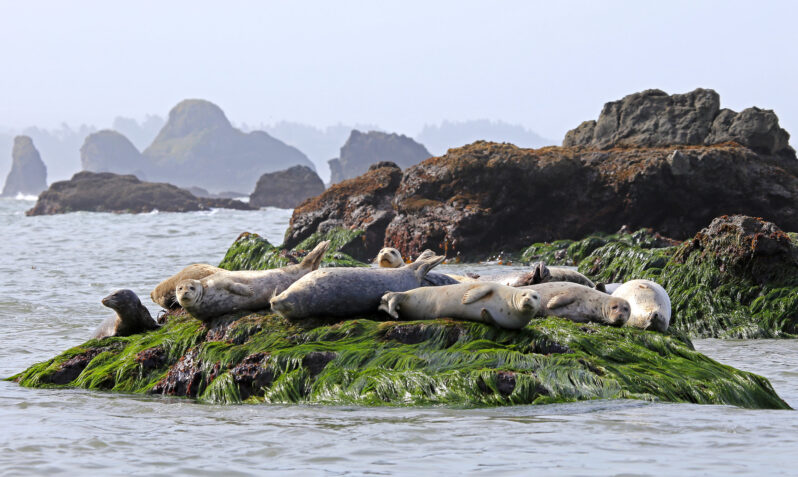
Restoration of coastal marine habitats—often conducted under the umbrella of “nature-based solutions”—is one of the key actions underpinning global intergovernmental agreements, including the Paris Agreement and the 2021–2030 United Nations (UN) Decade of Restoration. To achieve global biodiversity and restoration targets…we need methods that accelerate and scale up restoration activities in size and impact. Part of the solution is cross-habitat facilitation—positive interactions that occur when processes generated in one habitat benefit another…
Is Fukushima wastewater release safe? What the science says – Nature
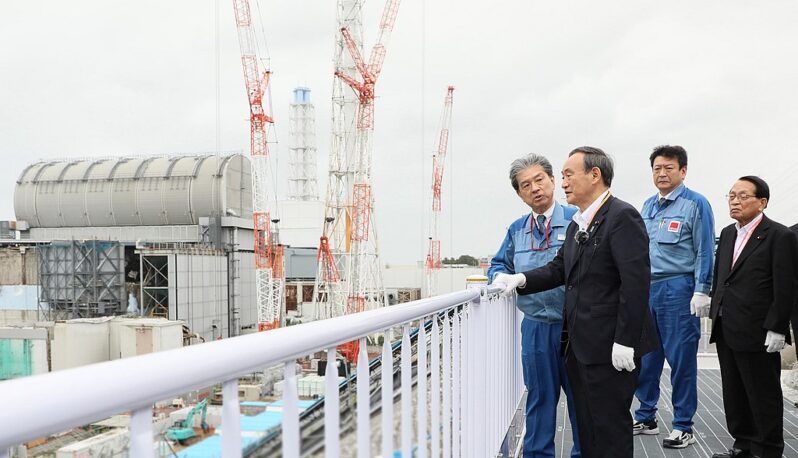
Despite concerns from several nations and international groups, Japan is pressing ahead with plans to release water contaminated by the 2011 meltdown of the Fukushima Daiichi nuclear power plant into the Pacific Ocean. Starting sometime this year and continuing for the next 30 years, Japan will slowly release treated water stored in tanks at the site into the ocean through a pipeline extending one kilometre from the coast. But just how safe is the water to the marine environment and humans across the Pacific region?
How Plastics Are Poisoning Us – the New Yorker
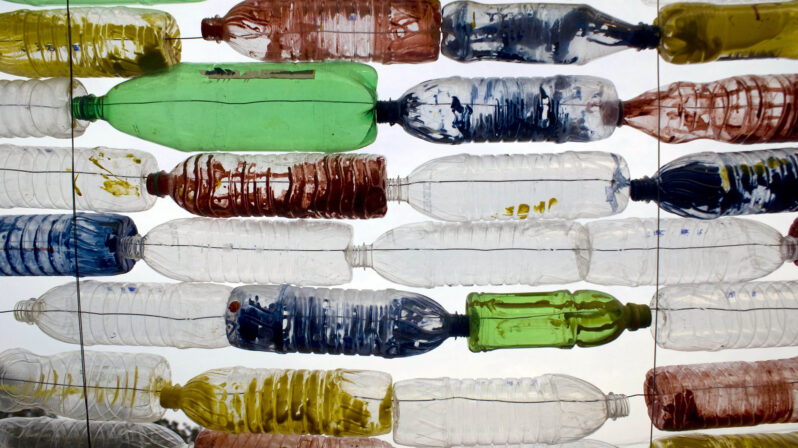
They both release and attract toxic chemicals, and appear everywhere from human placentas to chasms thirty-six thousand feet beneath the sea…How worried should we be about what’s become known as “the plastic pollution crisis”? And what can be done about it? These questions lie at the heart of several recent books that take up what one author calls “the plastic trap…”
AP Photos In Sri Lanka, Fishers Suffer as Sea Erosion Destroys Homes and Beaches – AP
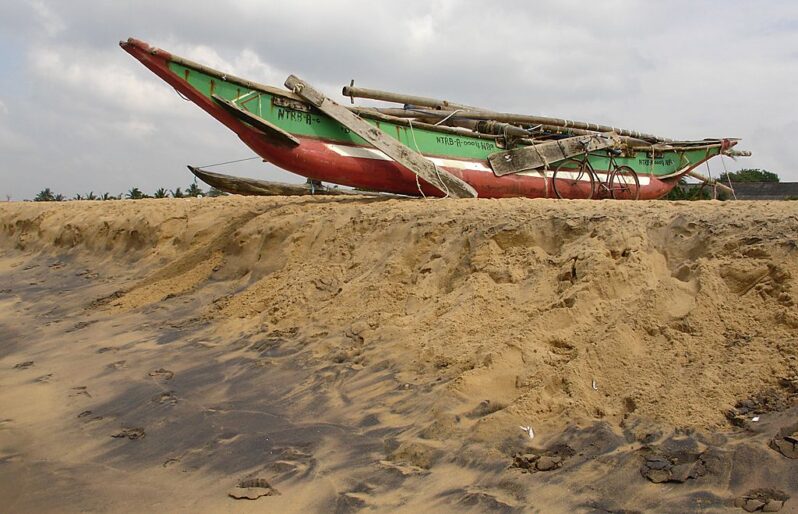
Ranjith Sunimal Fernando now has a shell of a home at the edge of Sri Lanka’s coast, lost to the sea. Waves lap past the broken walls into damaged, empty rooms.
“One night last month, my son went to the bathroom and I suddenly heard him screaming, ‘our house has gone into the sea!’,” said Fernando, a 58-year-old fisher born and raised in Iranawila, about 80 kilometers (50 miles) north of the capital, Colombo…
The Disappearing Beach – NJ.com
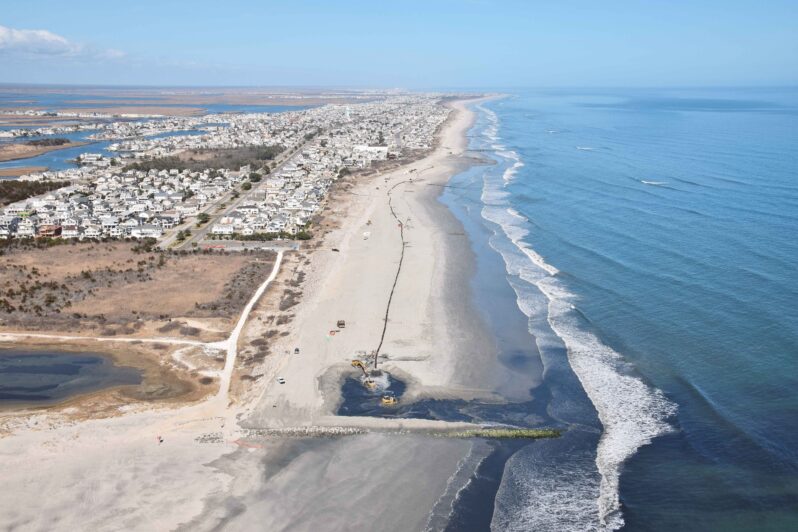
More than $2.6 billion has been spent dumping sand onto the Jersey Shore. Was it worth it?
Waves lap up against the narrow shore of North Wildwood as Patrick Rosenello straightens his sunglasses, and leans against the steel seawall, the soft sand crumbling beneath his tan dress shoes.
Quiet as he is, the mayor doesn’t have to utter a word about how important the tiny specks of sediment are to the resort town. His navy sweater vest says it all.
The municipality’s seal features two dolphins flanking the phrase “Sun and Sand.”
The ‘Sisyphus of Trash’ Struggles to Clean Relentless Waves of Plastic From a New York Island’s Beaches – Inside Climate News
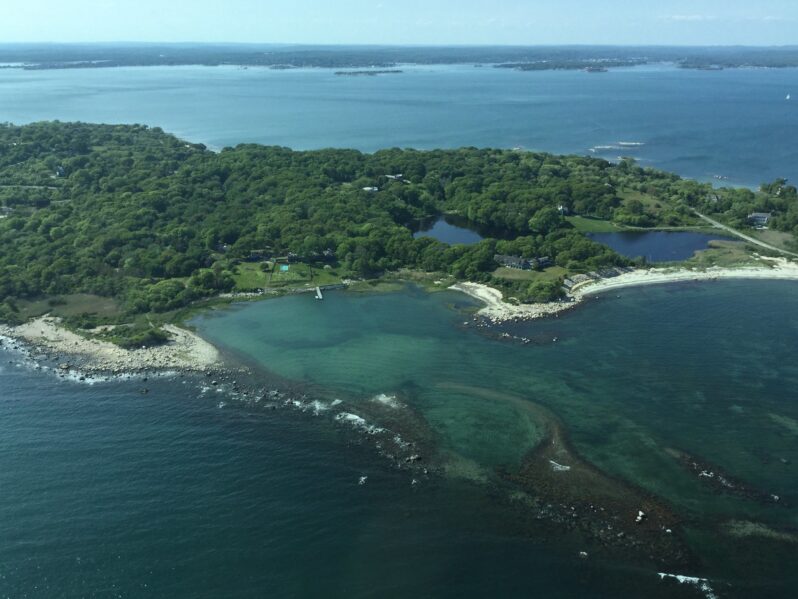
Michele Klimczak’s passion for cleaning the beaches of Fishers Island led to a full-time, year-round job, but she still can’t keep up with the flood of plastic waste.
In just three years, Michele Klimczak has picked, hauled, weighed, documented and sorted more than 32,000 pounds of garbage from the shores of Fishers Island, New York. She finds plastics stamped with product expiration dates going back two decades washed up all around the roughly four square mile stretch of land in the Long Island Sound…
The Bay Area faces an imminent threat from sea level rise — but it’s different from what you think – San Francisco Chronicle
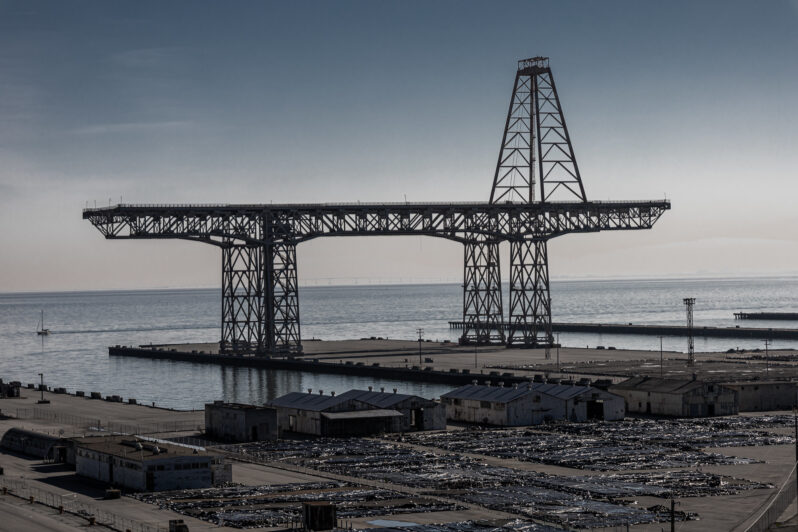
Dangerous chemicals hiding in the ground around the Bay Area are due to be released by groundwater as it’s pushed closer to the surface with sea level rise, a new study has found. In many cases, it can happen without warning as cancer-causing volatile compounds escape into schools and homes, experts say…
“Groundwater rise and sea level rise are gradual processes that are accelerating,” said Kristina Hill, associate professor at UC Berkeley’s College of Environmental Design, lead author of the study. “It’s a problem tomorrow, and it’s a problem today…”
The Atlantification of the Arctic Ocean Is Underway – Hakai Magazine
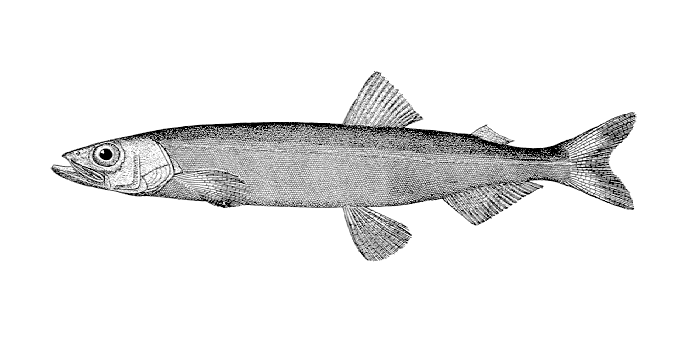
In the Fram Strait off Greenland’s west coast, Véronique Merten encountered the foot soldiers of an invasion.
Merten was studying the region’s biodiversity using environmental DNA, a method that allows scientists to figure out which species are living nearby by sampling the tiny pieces of genetic material they shed, like scales, skin, and poop. And here, in a stretch of the Arctic Ocean 400 kilometers north of where they’d ever been seen before: capelin.
And they were everywhere…