
Sand mining is a huge problem, a new global map shows – the Verge
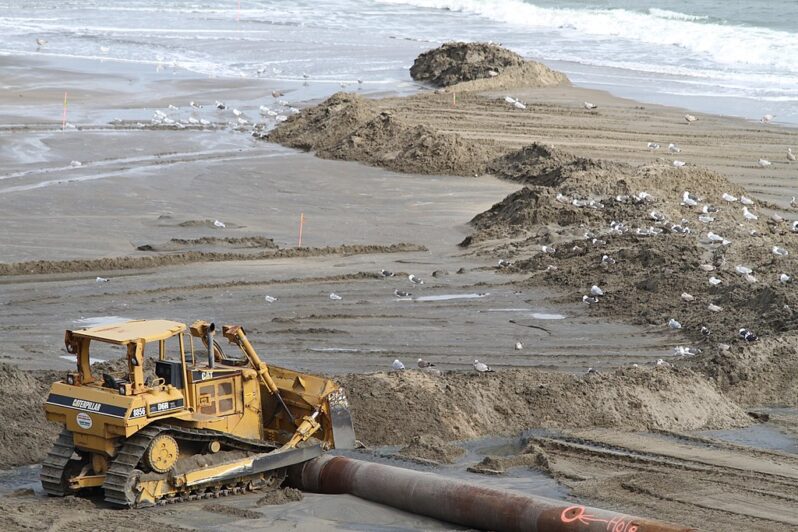
People are dredging an alarming amount of sand from the seafloor, the United Nations Environment Programme (UNEP) warned today. An average of 6 billion tons of sand are taken from marine environments every year, according to a new global data platform from UNEP….
The overwhelming plastic waste Hawaii visitors leave behind – SFGATE
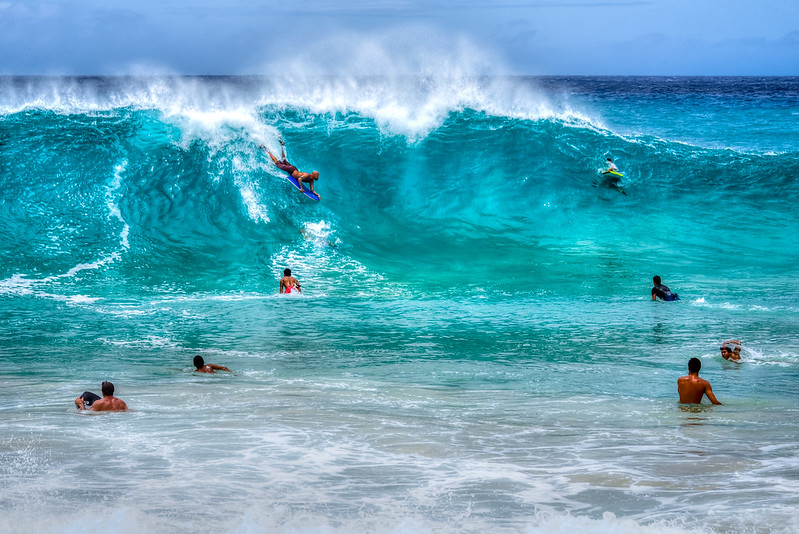
Plastics like in-room toiletries provided by resorts, plus to-go containers and cutlery provided by restaurants, are used and discarded by guests day after day. A single hotel chain can use hundreds of millions of little bottles of shampoo and conditioner every year.
When visitors leave, a lot of these items end up in the trash, yet Hawaii doesn’t have the infrastructure to recycle the immense amount of plastic left behind…
Using ‘recycled plastic’ in construction materials may not be a great idea after all – Grist Magazine
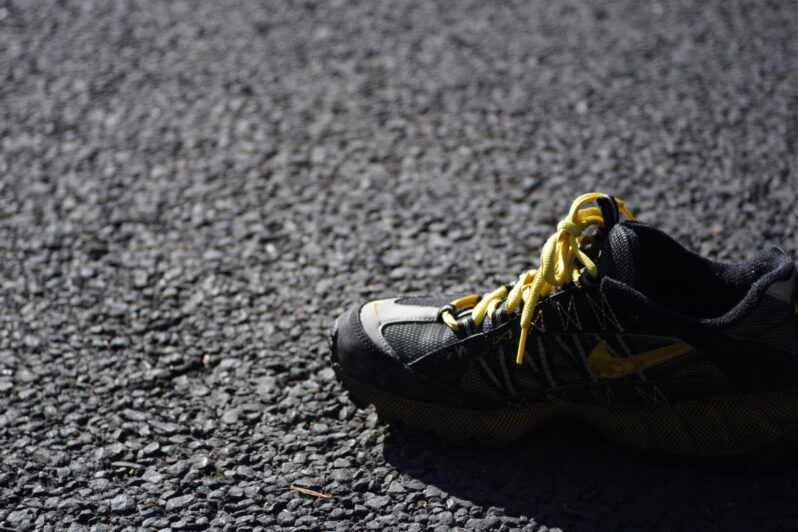
Last month, the American Chemistry Council, a petrochemical industry trade group, sent out a newsletter highlighting a major new report on what it presented as a promising solution to the plastic pollution crisis: using “recycled” plastic in construction materials. At first blush, it might seem like a pretty good idea — shred discarded plastic into tiny pieces and you can reprocess it into everything from roads and bridges to railroad ties…
There Might Be Less Plastic in the Sea Than We Thought. But Read On – the New York Times
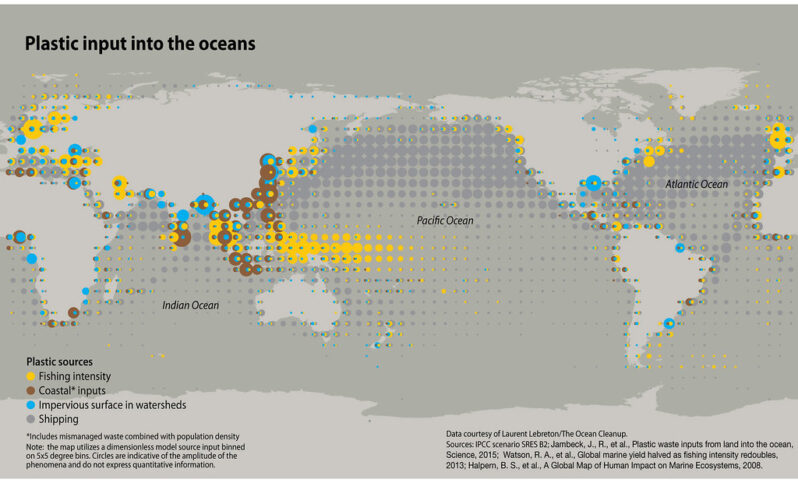
There’s less plastic pollution flowing into the ocean from land than scientists previously thought, according to a study published Monday in the journal Nature Geoscience.
The researchers estimated that about 500,000 metric tons of plastic end up in the ocean each year, with about half from land. The other half comes from the fishing industry in the form of nets, ropes, buoys and other equipment…
The race to defuse an oil ‘time bomb’ disaster threatening the Red Sea – Grist Magazine
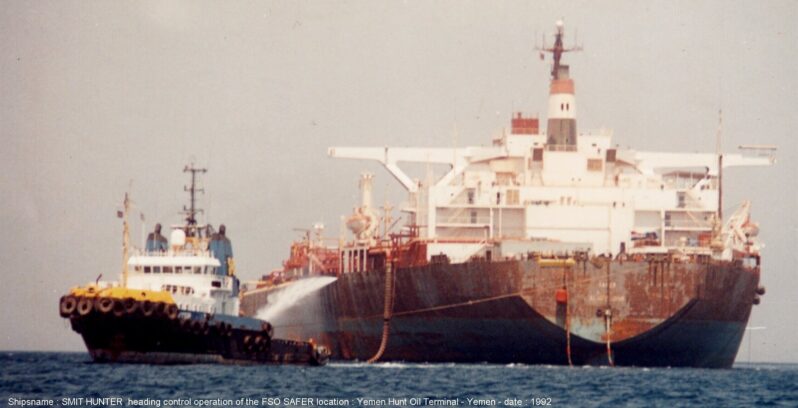
Ten days ago, the crew of a ship called the Nautica lifted anchor in Djibouti and motored north in the Red Sea. Two tugboats met the vessel about five and a half miles off the coast of Yemen, then guided it into place alongside the FSO Safer, a crumbling, abandoned oil tanker thought to hold 1 million barrels of crude.
Thus began an operation that’s the ecological equivalent of placing the pin back into a hand grenade…
Slipping away: Erosion forces Olympic National Park to take a hard look at Kalaloch Lodge – the Seattle Times
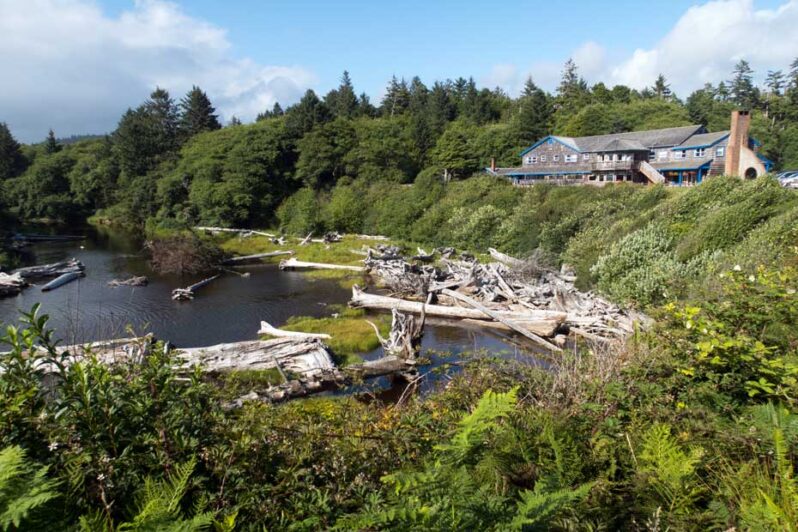
Kalaloch is the third-most-visited of Olympic National Park’s nine districts…Kalaloch Lodge, run on a concessionaire’s contract by the global entertainment/hospitality company Delaware North…has grown into a beachfront hotel with a restaurant overlooking the ocean, a small grocery store, a campground and nearly 50 cabins sitting on the same bluffs where the Beckers built their rustic resort 95 years ago. Except there’s less bluff. And less of it every year….
NOAA and partners race to rescue remaining Florida corals from historic ocean heat wave – NOAA Climate.gov
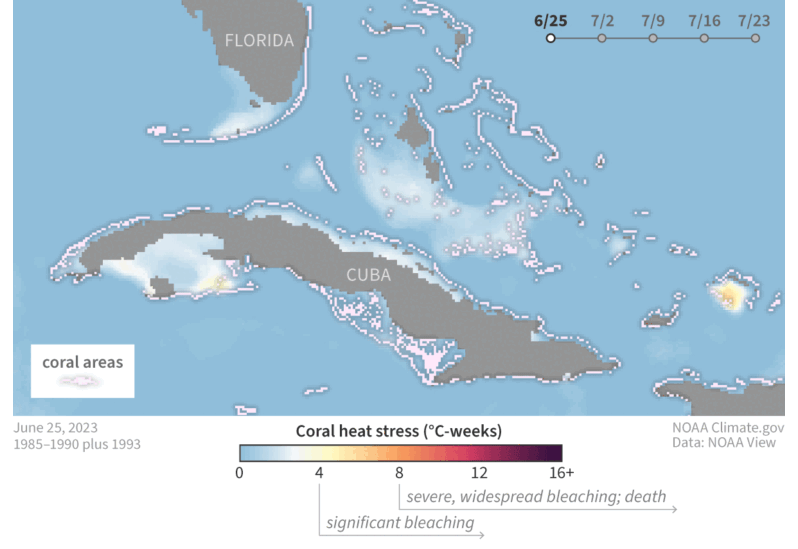
In mid-July 2023, heat-stressed corals in the southern Florida Keys began bleaching—expelling their food-producing algal partners—amid the hottest water temperatures ever documented in the region during the satellite record (dating back to 1985). As weeks of heat stress have continued to accumulate, bleaching and death have become more widespread, raising fears of a mass mortality event on the region’s already fragile reefs…
Opposition grows to Indonesia’s resumption of sea sand exports – Mongabay
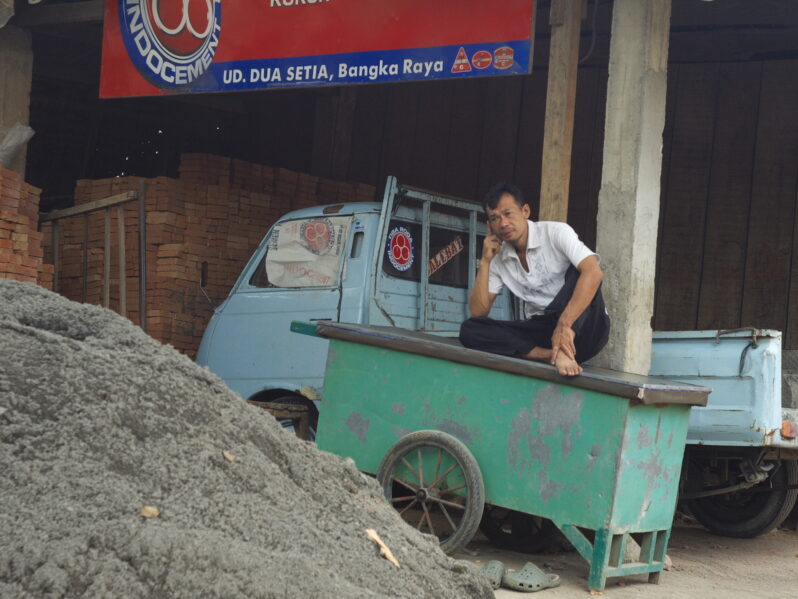
Marine and fisheries activists in Indonesia are ramping up their calls for the revocation of a new government regulation allowing the export of sea sand, saying the policy will benefit foreign interests more than local fishers and marine ecosystems…
The real story behind the Atlantic’s record-breaking seaweed blobs – BBC
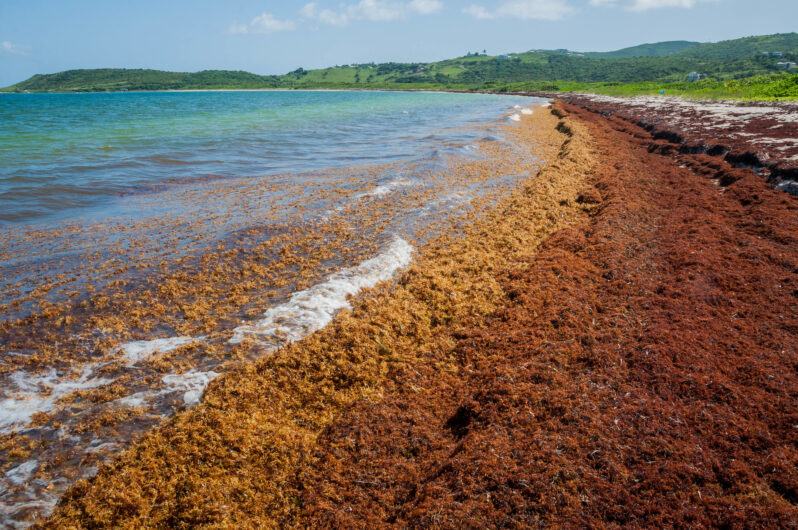
Along the coastlines of the Caribbean and the Gulf of Mexico, a monster is lurking. It creeps in with the tide and you’ll likely smell it before you see it. Giant clumps of sargassum seaweed have been washing ashore, choking the surf and blanketing beaches in a brown, stinking mass.
The clumps are breaking off an enormous raft of free-floating seaweed known as the Great Atlantic Sargassum Belt, which stretches 5,000 miles (8,047km) between the Gulf of Mexico and the west coast of Africa and can be seen from space…