
Battered coastline, flooding rivers trap residents, bring misery in Santa Cruz County – Los Angeles Times
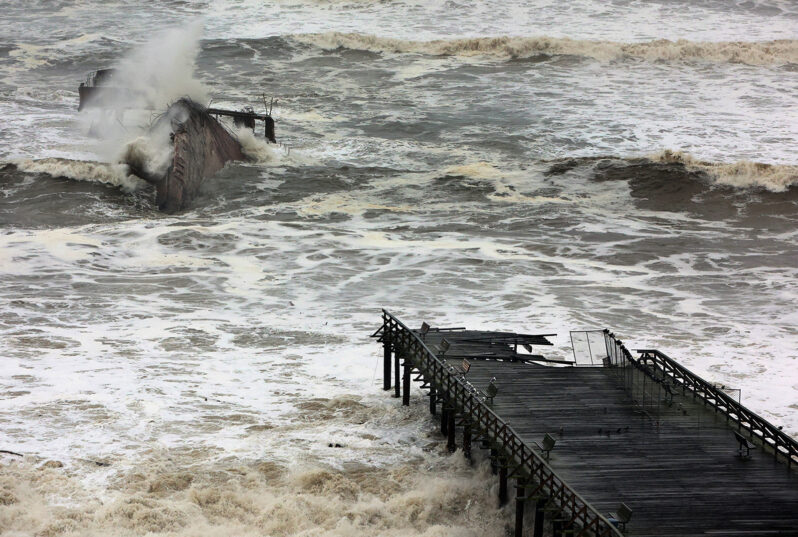
On Monday, as huge swaths of Central and Northern California were still assessing damage from a quick succession of storms last week, another winter rain pelted the region, triggering floods that claimed the life of a motorist and swept away a 5-year-old boy who was trying to cross a road with his mother. Conditions were so unsafe Monday afternoon that officials called off the search for the boy…
Battered by Storms, California Coastal Towns Prepare for Another Deluge – New York Times
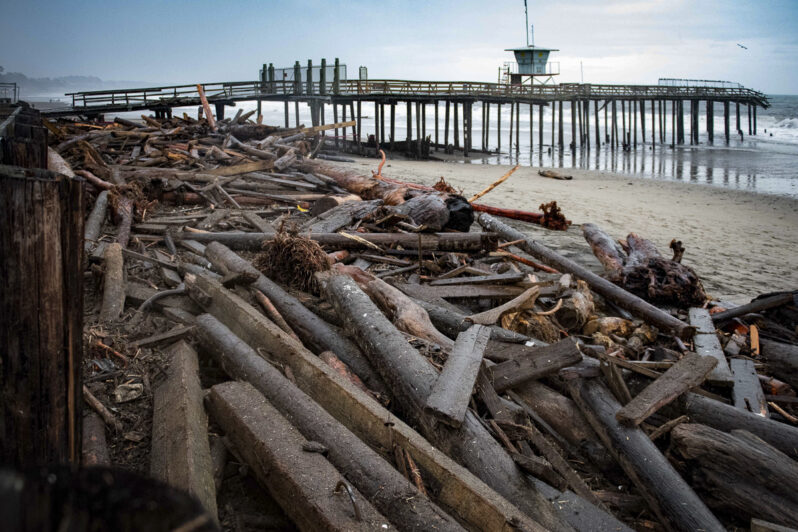
Hundreds of homes in the Santa Cruz region were damaged by flooding and wind. Weary residents are steeling themselves for even worse conditions this week.
A barrage of powerful storms has surprised residents across Northern California with an unrelenting period of extreme weather stretching over weeks, with only small intervals of dryness. These storms have toppled trees…
Starving the Mekong – Reuters
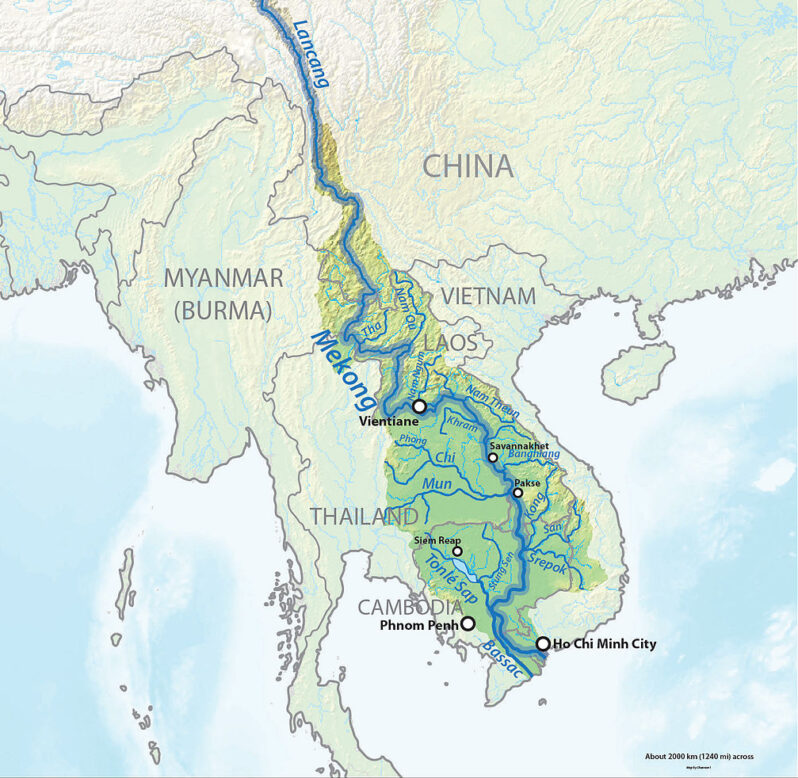
Lives are remade as dams built by China upstream deprive the Mekong River Delta of precious sediment
Standing on the bank of the Mekong River, Tran Van Cung can see his rice farm wash away before his very eyes. The paddy’s edge is crumbling into the delta.
Just 15 years ago, Southeast Asia’s longest river carried some 143 million tonnes of sediment – as heavy as about 430 Empire State Buildings – through to the Mekong River Delta every year, dumping nutrients along riverbanks essential to keeping tens of thousands of farms like Cung’s intact and productive…
Clamshells Face the Acid Test – Hakai Magazine
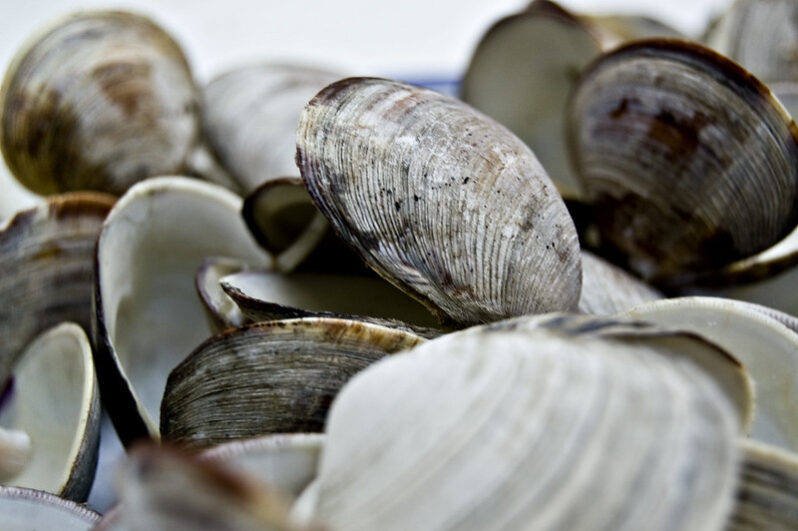
As acidification threatens shellfish along North America’s Pacific Coast, Indigenous sea gardens offer solutions.
It’s low tide in Bodega Bay, north of San Francisco, California, and Hannah Hensel is squishing through thick mud, on the hunt for clams. The hinged mollusks are everywhere, burrowed into the sediment, filtering seawater to feed on plankton. But Hensel isn’t looking for living bivalves—she’s searching the mudflat for the shells of dead clams…
From Climate Exhortation to Climate Execution – the New Yorker

The Inflation Reduction Act finally offers a chance for widespread change…
So far, the climate debate has gone on mostly in people’s heads and hearts. It took thirty years to get elected leaders to take it seriously: first, to just get them to say that the planet was warming, and then to allow that humans were causing it. But this year Congress finally passed serious legislation—the Inflation Reduction Act—that allocates hundreds of billions of dollars to the task of transforming the nation so that it burns far less fossil fuel. So now the battle moves from hearts and heads to houses…
How Long Until Alaska’s Next Oil Disaster? – the Atlantic
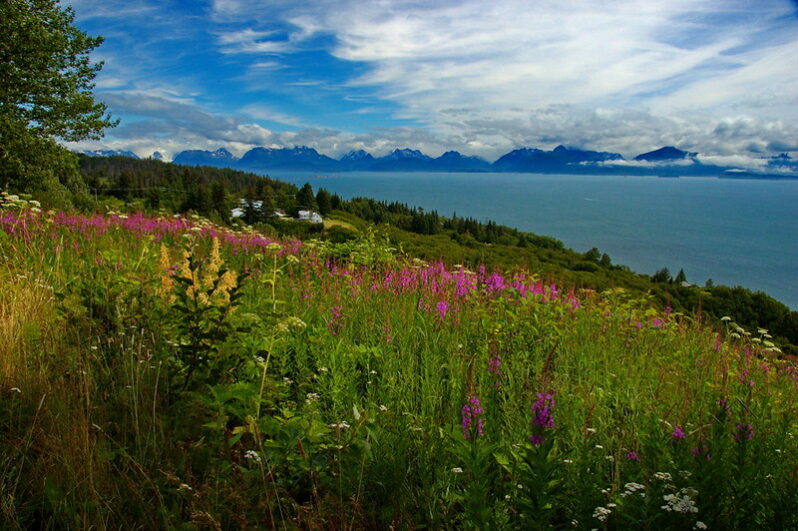
More than 30 years after the devastating Exxon Valdez oil spill, many Alaskans are still haunted by the possibility of another such disaster. Some felt that those fears were about to be realized in 2020, when the Bureau of Ocean Energy Management (BOEM) began preparing to auction off development rights to a million acres of Cook Inlet, a proposal known as Lease Sale 258…
Where Walruses Go When Sea Ice Is Gone – the New Yorker
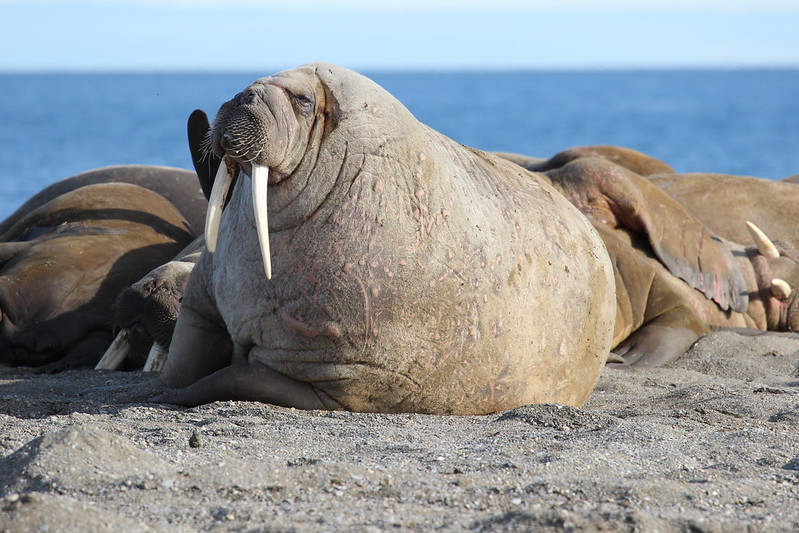
The short documentary “Haulout” follows a scientist on a remote Arctic beach who witnesses the chaotic effects of climate change on Pacific walruses – film by Evgenia Arbugaeva and Maxim Arbugaev…
In 2018, in the Siberian Arctic, the filmmakers Evgenia Arbugaeva and Maxim Arbugaev, who are sister and brother, arrived on a strange beach. “The sand was of dark colour, full of bones, and smelled terrible…”
Why Recycling Isn’t the Answer to the Plastic Pollution Problem – Scientific American
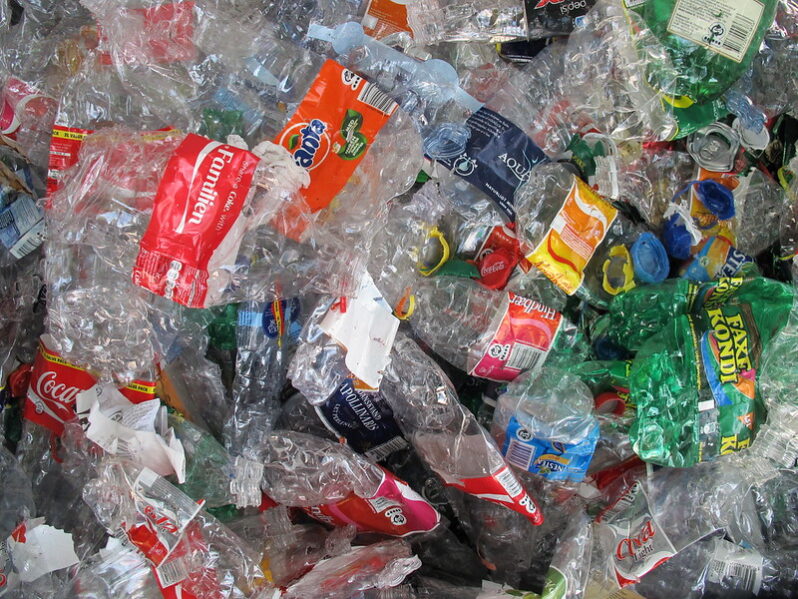
For many years, the transition to a circular plastic economy has been understood to require a combination of efforts… ‘reduce, reuse, recycle’. The principles are based on the top three levels of the waste hierarchy, whereby reducing is better than reusing, which is, in turn, more favourable than recycling. In practice, however…
Vanishing Sands: How Sand Mining is Stripping Away Earth’s Beaches by Orrin Pilkey, et al – Duke | Nicholas School of the Environment
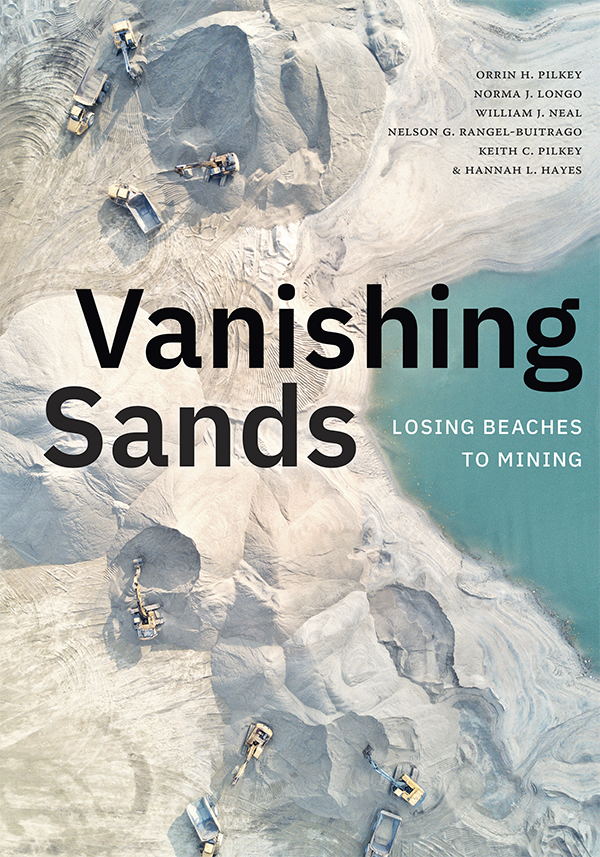
A new book from Duke University Press, “Vanishing Sands: Losing Beaches to Mining,” casts light on the shadowy world of sand mining through case studies that illuminate its disastrous impacts and a concluding chapter that proposes common-sense solutions.
Because of the tradition of viewing beaches as public land, people have historically thought of beach sand as a free and limitless resource, Pilkey and his co-authors explain in their preface to “Vanishing Sands…”