
Extreme weather becoming a factor in where Americans choose to live – Fox Weather
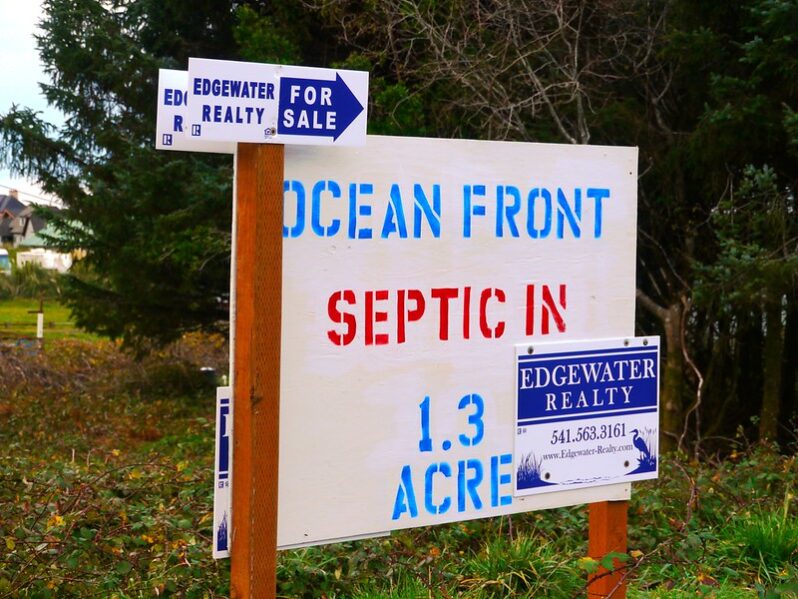
A report shows that over 60% of Americans that are planning to move in the next year are reluctant to move to areas with natural disaster-prone areas or areas that experience extreme weather and sea level rise.
“All of these costs associated with climate change are actually becoming a real drag on not only our economy but particular areas that are, let’s say, high-risk areas,” Jesse Keenan, professor of sustainable real estate at Tulane University told FOX Weather.
Florida beaches were already running low on sand. Then Ian and Nicole hit – the Washington Post
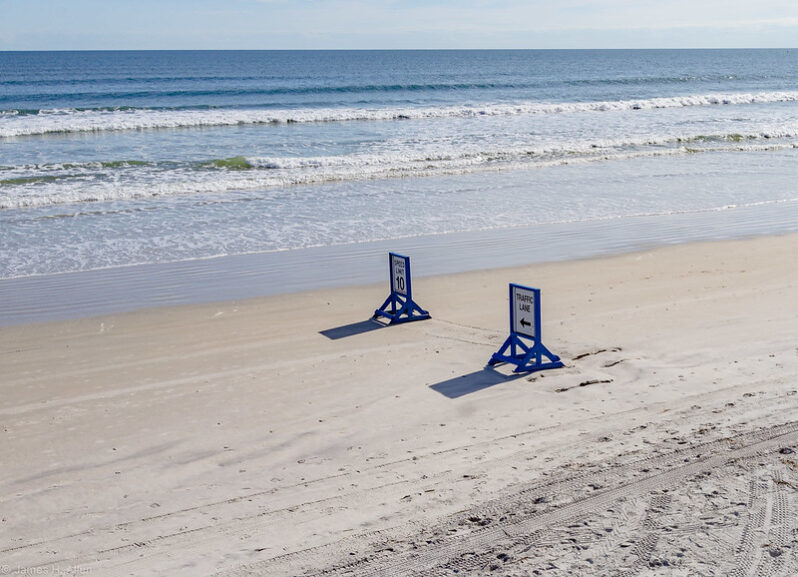
“I think we’re starting to discover that, despite our best efforts and wanting to throw as much money at this as possible, it has become very difficult to keep these beaches as wide as we would like to keep them,” Robert S. Young, a geology professor at Western Carolina University and director of the Program for Developed Shorelines… “We simply don’t have the capacity to hold all of these beaches in place.”
On the way to climate hell: Will COP27 negotiations enforce climate action commitments? – Forbes India
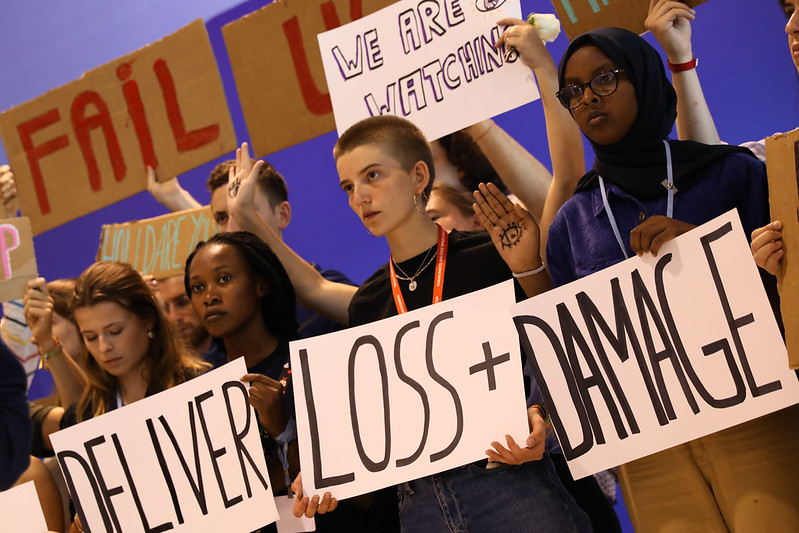
The debate of economic growth versus environment is central to our times and at the heart of the climate negotiations of COP27. Escalating climate events worldwide show that we are living on borrowed time.
Hurricane Nicole Causes Four Deaths, Forces Evacuation of Unsteady Buildings – New York Times
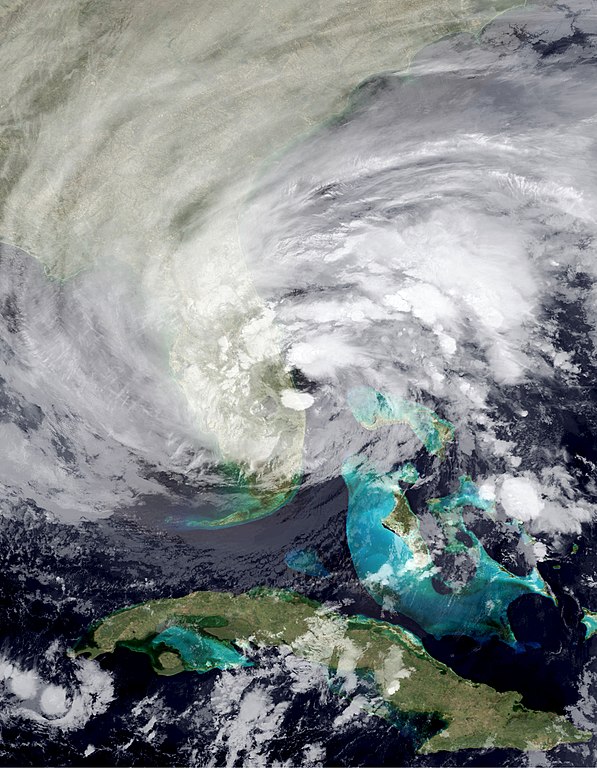
The storm was especially hard on Volusia County, northeast of Orlando, where officials said that inspectors had deemed 24 hotels and condominiums unsafe.
United Nations Environmental Programme

UNEP’s “Adaptation Gap Report 2022: Too Little, Too Slow – Climate adaptation failure puts world at risk” finds that the world must urgently increase efforts to adapt to these impacts of climate change.
Rising seas threaten the Gullah Geechee culture. Here’s how they’re fighting back – National Geographic
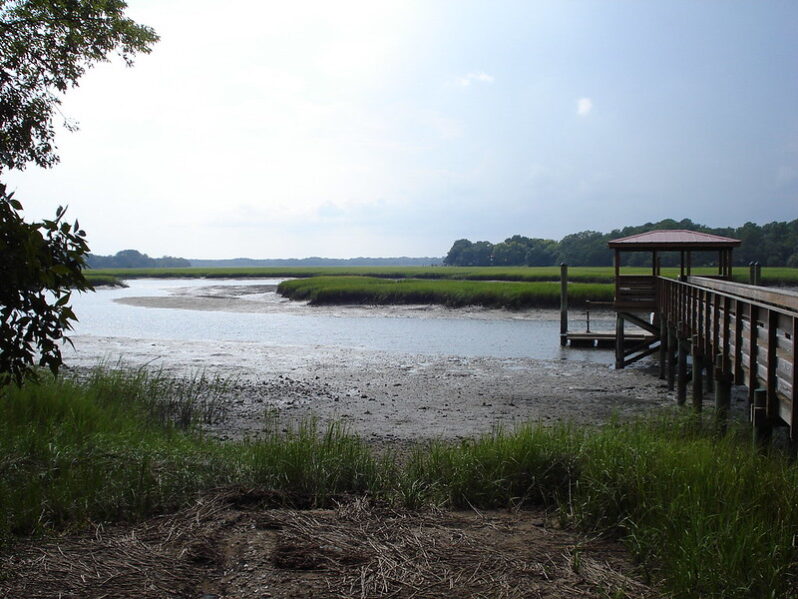
The Gullah Geechee people are among the most climate threatened in the world. By rebuilding oyster reefs and limiting coastal development, they hope to preserve homes and heritage.
North Topsail is getting millions for beach nourishment. How long will the sand last? – Star News Online
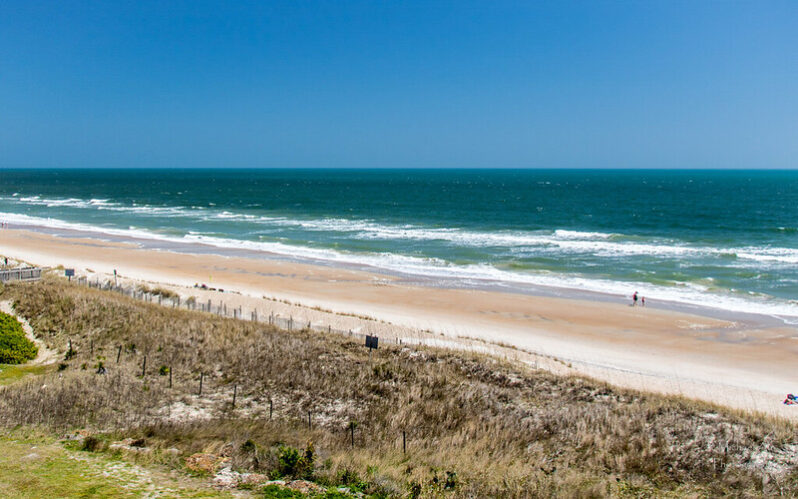
Last month North Carolina doled out nearly $20 million in grants to help coastal communities better fortify and rebuild beach infrastructure battered by recent hurricanes, tropical storms, and nor’easters.
But in a world where climate change is bringing higher seas and more frequent and ferocious storms to our shores, is investing taxpayer dollars in the sand that’s all but guaranteed to have a limited lifespan on the beach a smart investment?
Shifting Sands: Carolina’s Outer Banks Face a Precarious Future – Yale Environment 360
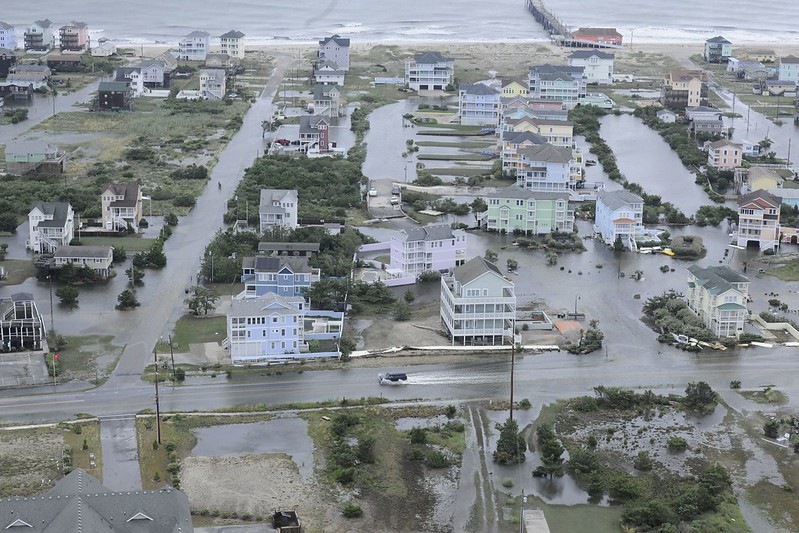
Cottages have been tumbling into the ocean for as long as humans have been building along the Outer Banks. The difference now is that they appear to be falling in at a faster rate, and scores of homes are now at risk.
Areas of the Outer Banks have retreated over 200 feet in the last two decades and are currently losing about 13 feet a year…
Sea Turtle Sanctuary Has Survived 40 Years. Climate Change May Kill It – New York Times
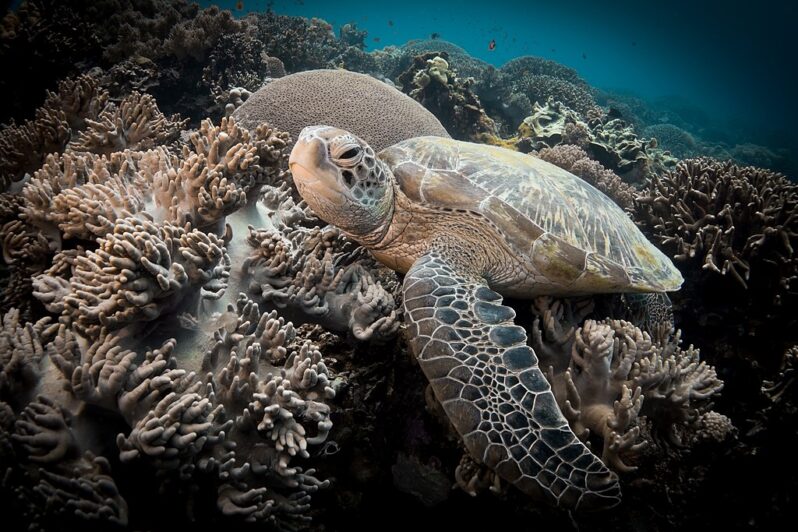
“When the turtles saw people, it was like they saw a ghost,” said Mario Pascobello, a resident of Apo Island in the Philippines…Now, the endangered green turtles…peacefully graze in the shallows off Apo’s coast…But if the turtles are no longer menaced by the fishermen here, they do face another man-made threat: climate change.