
Erosion, insurance gaps, and a race against time for protective projects leave Buxton’s oceanfront at risk – Island Free Press

16 oceanfront homes in Buxton and Rodanthe have collapsed into the Atlantic Ocean since mid-September 2025, resulting in widespread debris along the shoreline and prompting an extensive cleanup effort by local and federal stakeholders along the Cape Hatteras National Seashore (CHNS)…
After 9 Outer Banks houses collapse in 1 week, what policies could curb future incidents? – 13NewsNow.com

Eight homes in Buxton, and one in Rodanthe, fell into the Atlantic due to hurricanes, highlighting urgent policy needs for mitigating coastal erosion impacts….
Six Outer Banks homes fall into the sea as Humberto, Imelda churn offshore – Washington Post

The houses collapsed Tuesday, and officials warned that more damage is possible in the coming days….
How Hatteras Island is confronting home collapses while owners push for faster solutions – Island Free Press

A line of houses, some more than a half-century old, were once positioned safely back from the ocean. Now, roughly four dozen sit with pilings exposed, septic systems visible above the tide, and decks hanging over a void where the beach used to be…
Stinson underwater, Ocean Beach halved: California’s beach reckoning is here – SF Gate

California’s most iconic feature is disappearing…
Beach Nourishment: A Critical Look – Gary Griggs | Journal of Coastal Research
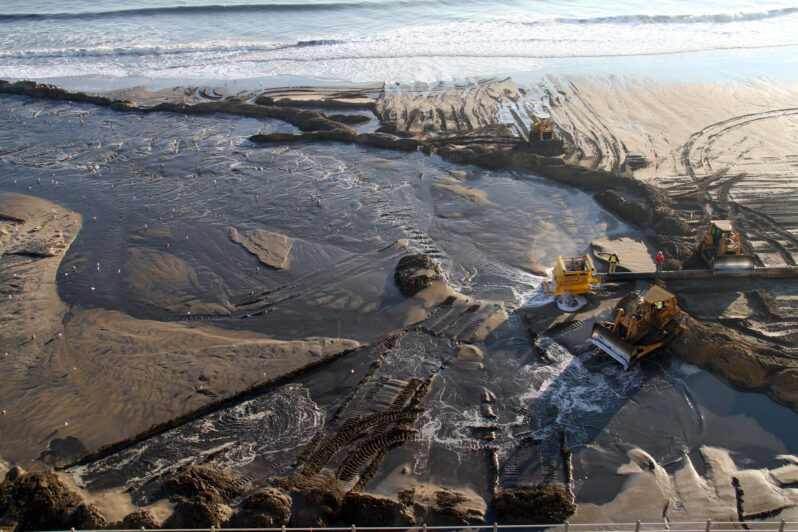
More than $15 billion, mostly federal dollars, have been spent moving sand to the shoreline for both recreational and shoreline protection benefits. Still, whether in New Jersey, New York, North Carolina, Florida, or California, the life span of the sand added artificially to these beaches in many cases has been relatively short and in some instances has been less than a year…
Barcelona’s beaches could vanish as authorities abandon ‘enhancement’ – the Guardian
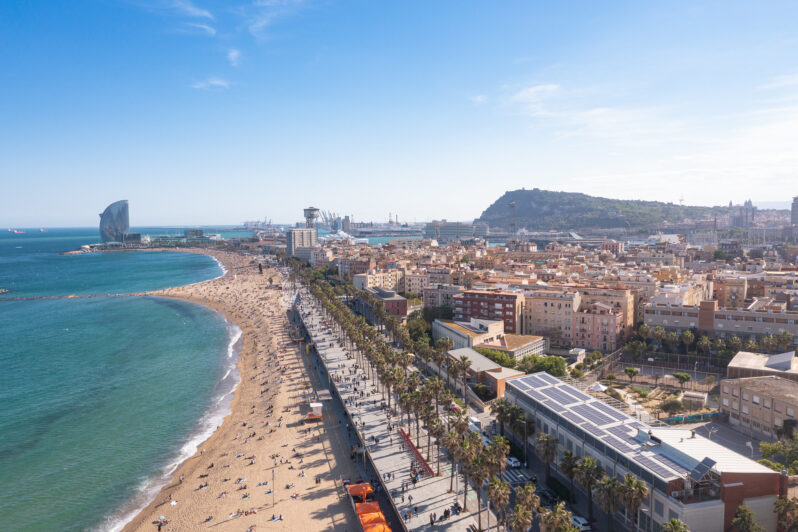
For the 1992 Olympic Games, Barcelona rediscovered the sea. It beefed up its beachfront using thousands of tons of sand, and the area is now packed with tourists and lined with beach bars. Barcelona’s beach may be partly artificial, but it’s big business. The way things are going, however, soon there won’t be any beach at all. Across Catalonia, rising sea levels and winter storms are eating away at the coastline…
Use of Pulverized Recycled Glass for Beach Nourishment: A Review – Georgia Coastal Research Council (GCRC)
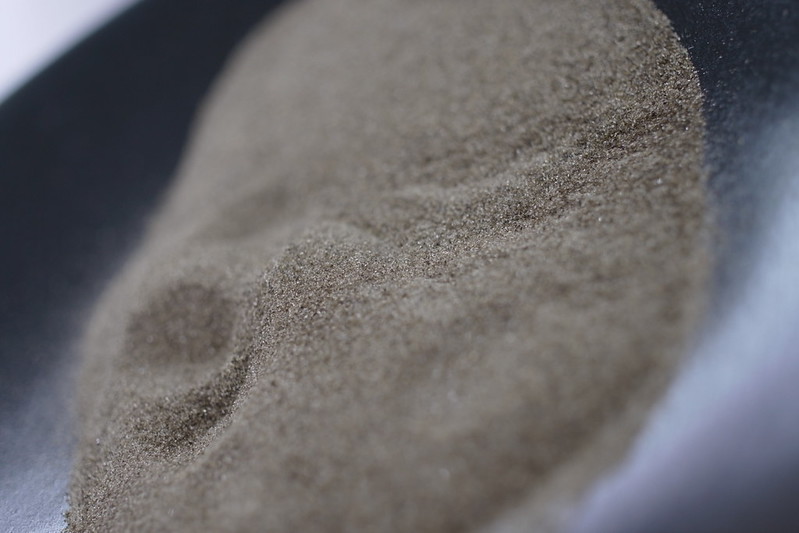
This paper reviews geotechnical, biological, and abiotic analyses conducted on the experimental placement of recycled glass on beaches in Florida. It will also describe the experiences local governments have had when considering the use of recycled glass as an alternative material for beach nourishment.
Coastal erosion caused by increased extreme weather events and sea level rise is escalating the rate and extent to which beaches are washing away. Traditionally, inland and offshore sand and dredged material from rivers, canals, and the ocean have been used to nourish beaches, but these resources are becoming increasingly expensive and difficult to obtain…
Restoring Louisiana’s Shoreline, One Glass Bottle at a Time – GIZMODO
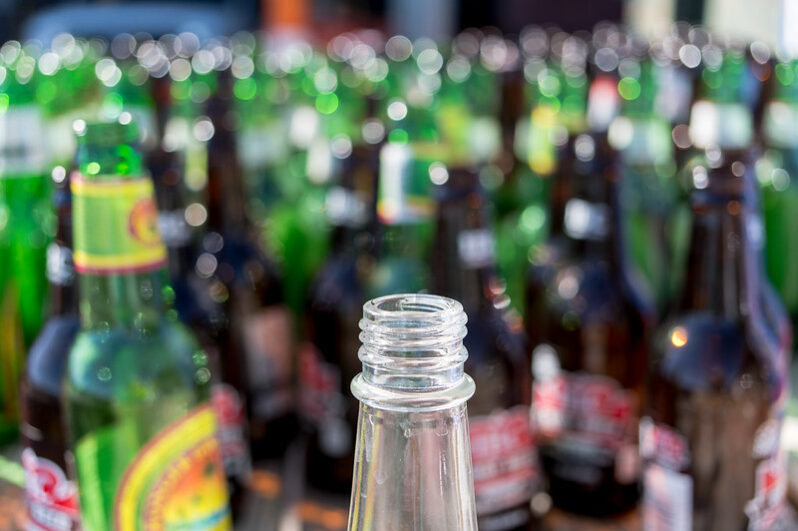
Glass Half Full is redirecting glass from landfills and turning it into much-needed sand.
Louisiana’s shoreline is rapidly eroding due to sea level rise and extreme weather fueled by climate change. But a scrappy New Orleans glass recycling initiative, Glass Half Full, is rounding up as many of the city’s glass bottles as possible to create sand for coastal restoration.
The team, a winner of the 2023 Gizmodo Science Fair, got started in 2020…