
Australian Government’s Great Barrier Reef Plans’ Questioned
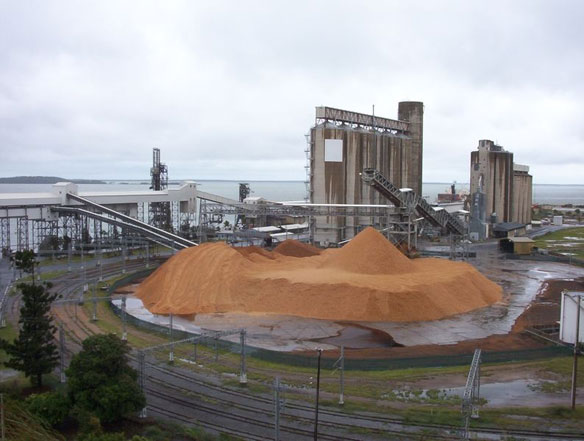
A monitoring mission from the UN educational and cultural arm, UNESCO, will visit Queensland next month to examine concerns about major port developments and other potential threats to the World Heritage listed reef, as WWF challenged the Australian Government’s view that the Great Barrier Reef is being sustainably managed, citing publications showing that coral had declined by up to 50 per cent.
Staghorn Coral Transplanted to Threatened Reef
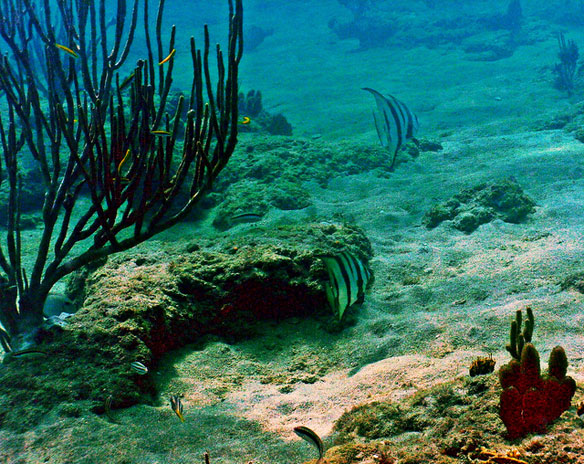
In a delicate operation at sea, healthy staghorn coral were transplanted to a threatened reef off the Broward County coast, Florida, by researchers at Nova Southeastern University’s Oceanographic Center and its internal National Coral Reef Institute (NCRI).
Pyramids Planted to Revive Philippine Corals
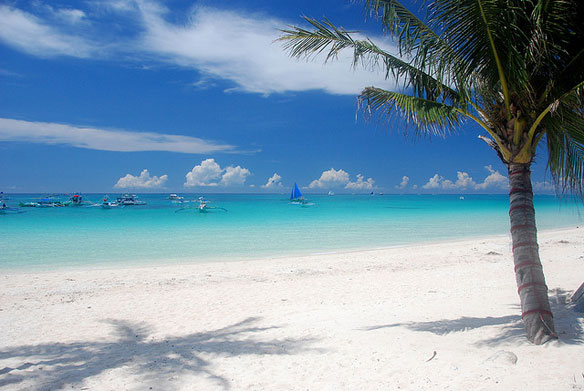
Thousands of small “pyramids” are being planted off the Philippines’ famous Boracay’s coast in an effort to bring its nearly destroyed coral reefs back to life, an environment group said Thursday.
Detecting Detrimental Change in Coral Reefs
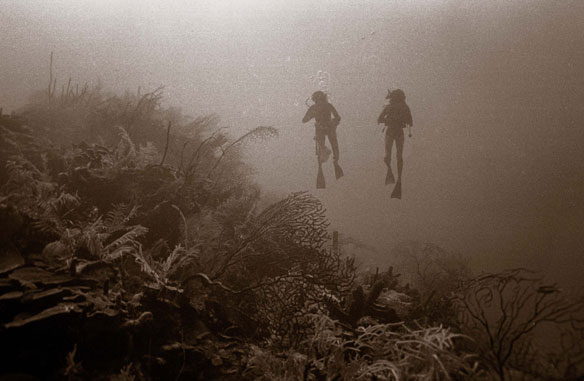
Over dinner on R.V. Calypso while anchored on the lee side of Glover’s Reef in Belize, Jacques Cousteau told Phil Dustan that he suspected humans were having a negative impact on coral reefs. Dustan, a young ocean ecologist who had worked in the lush coral reefs of the Caribbean and Sinai Peninsula, found this difficult to believe. It was December 1974… and Cousteau was right.
Reef Fish at Risk as Carbon Dioxide Levels Build
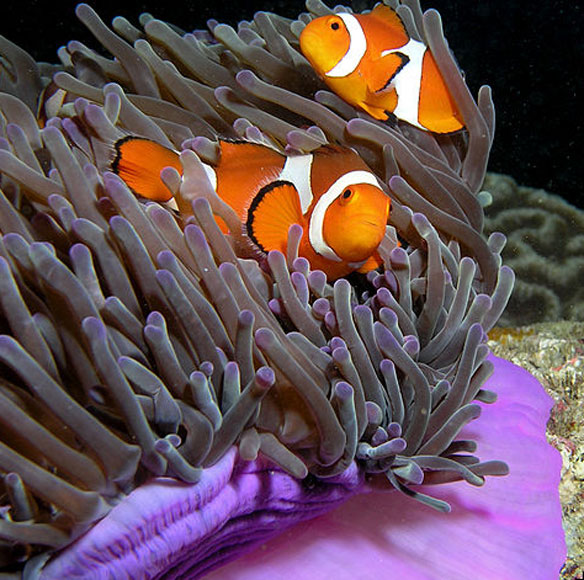
Researchers from the Australian Research Council’s Centre of Excellence for Coral Reef Studies, examined over the years how baby coral fishes and their predators dealt with sea water containing higher levels of dissolved carbon dioxide.
Australia’s Government Plans To Increase Sand Dredging In Great Barrier Of Reef Area
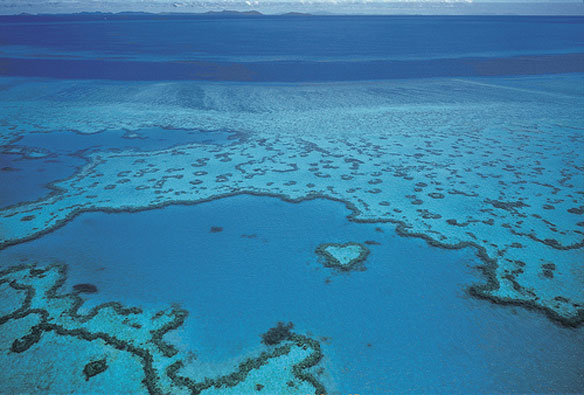
Figures obtained through Senate Estimates reveal more than 112 million cubic metres – or 65 Melbourne Cricket Grounds – are proposed to be dredged from the Great Barrier Reef World Heritage area, with 52 million cubic metres already approved by the Federal Government.
Belize Protected Area Boosting Predatory Fish Populations
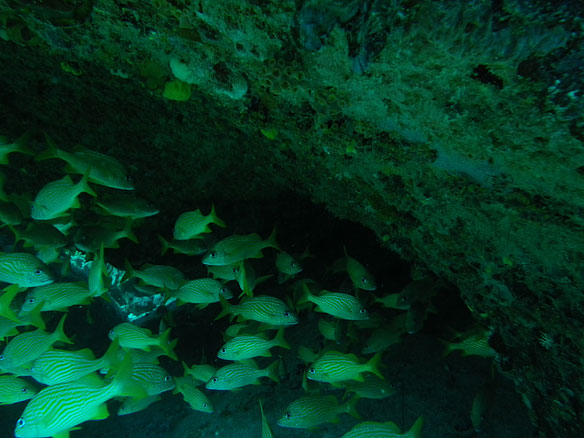
Sensitive coral reef ecosystems require a delicate balance of marine life to thrive. From the barracudas at the top of the food chain to the algae at the bottom, the system works together to keep itself healthy. A 14-year study by the WCS in an atoll reef lagoon in Glover’s Reef, Belize, has found that fishing closures there produce encouraging results.
Mining to blame for islands to sink beneath waves
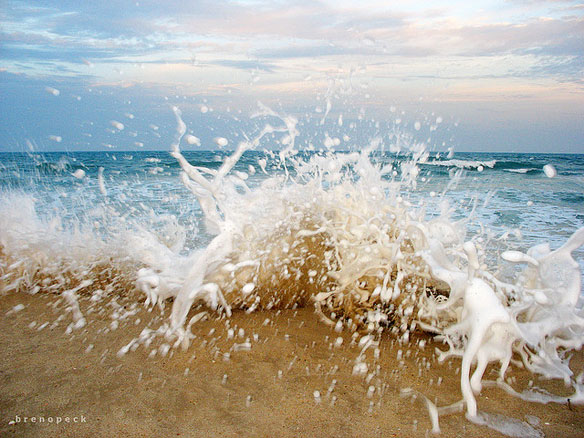
Two small islands in South Asia’s first marine biosphere reserve, in the Gulf of Mannar, between India and Sri Lanka, did sink into the sea primarily as a result of coral reef mining, experts said. The corals were mined for use as a binding material in the construction industry, as they were rich in calcium carbonate.
Loving the Chambered Nautilus to Death
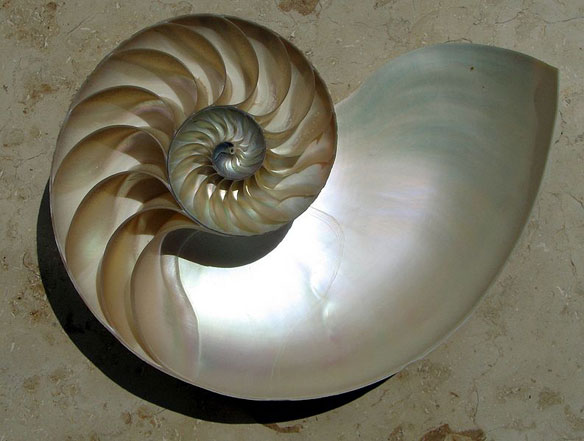
It is a living fossil whose ancestors go back a half billion years, to the early days of complex life on the planet, when the land was barren and the seas were warm. Nautilus lives on the slopes of deep coral reefs in the warm southwestern Pacific, but scientists say humans are loving the chambered nautilus to death, throwing its very existence into danger.