
What 120 Degrees Looks Like in One of Mexico’s Hottest Cities – the New York Times
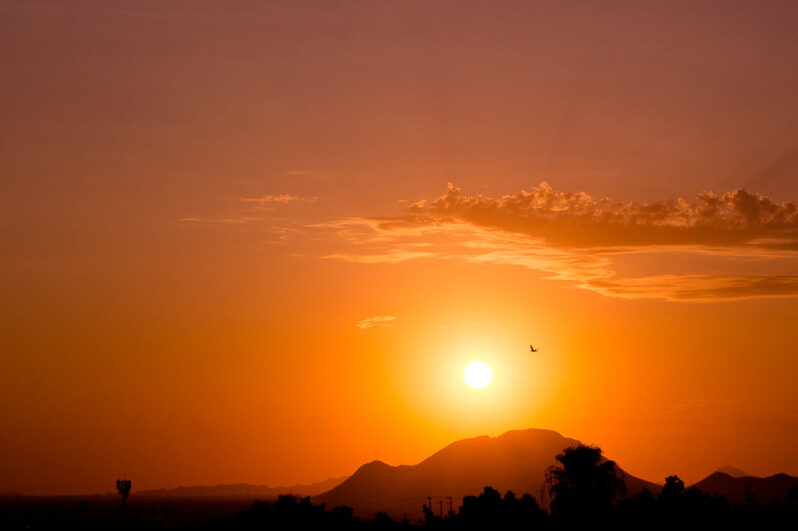
People in Hermosillo are used to the heat: Enduring scorching temperatures is a local point of pride (for) the “city of sun.” But on a recent Sunday in June, temperatures reached a record high when thermometers registered 49.5 degrees Celsius, or 121 Fahrenheit…
Why a sudden surge of broken heat records is scaring scientists – the Washington Post
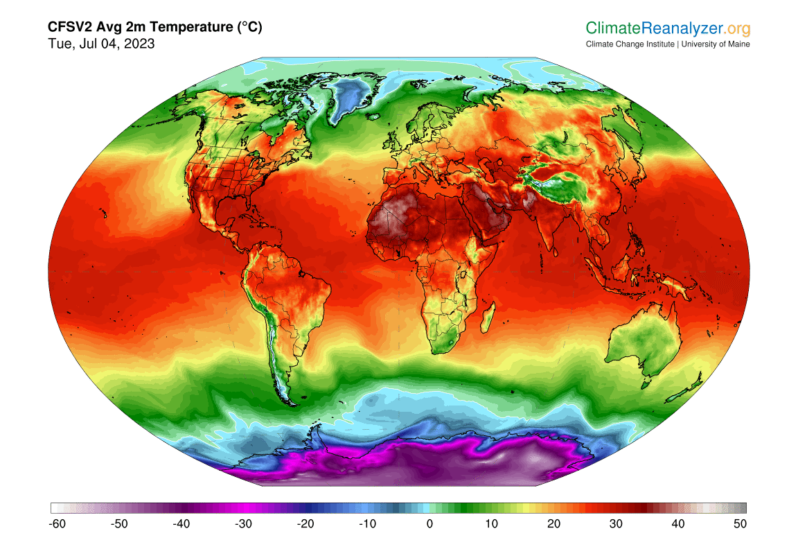
New precedents have been set in recent weeks and months, surprising some scientists with their swift evolution: historically warm oceans, with North Atlantic temperatures already nearing their typical annual peak; unparalleled low sea ice levels around Antarctica, where global warming impacts had, until now, been slower to appear; and the planet experiencing its warmest June ever charted, according to new data. And then, on Monday, came Earth’s hottest day in at least 125,000 years. Tuesday was hotter…
Hurricanes push heat deeper into the ocean than scientists realized, boosting long-term ocean warming, new research shows – the Conversation
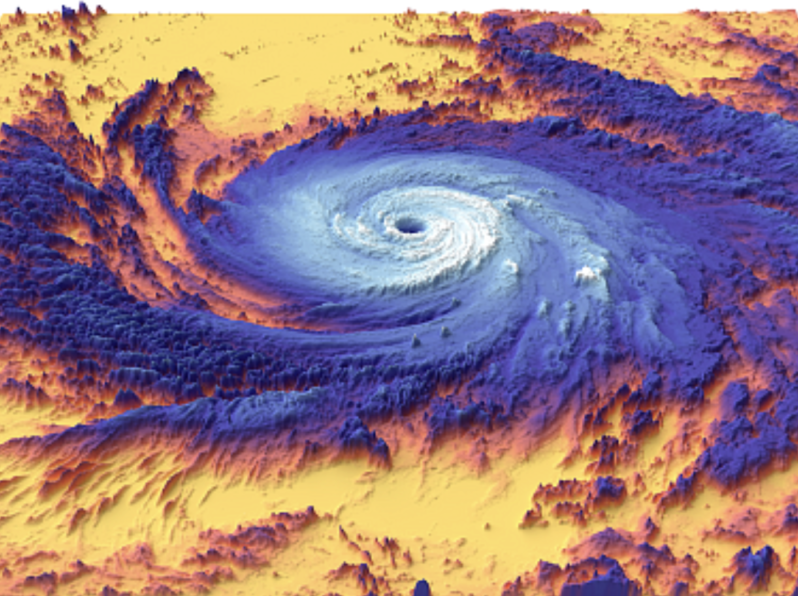
Seven years ago an exceptionally strong El Niño took hold in the Pacific Ocean, triggering a cascade of damaging changes to the world’s weather. Indonesia was plunged into a deep drought that fueled exceptional wildfires, while heavy rains inundated villages and farmers’ fields in parts of the Horn of Africa. The event also helped make 2016 the planet’s hottest year on record. Now El Niño is back…
As Ocean Oxygen Levels Dip, Fish Face an Uncertain Future – Yale Environment 360
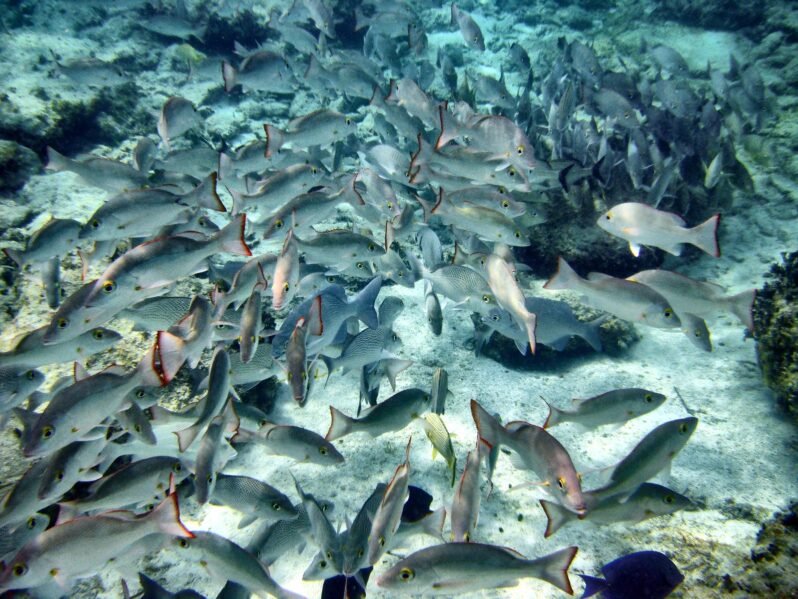
Global warming not only increases ocean temperatures, it triggers a cascade of effects that are stripping the seas of oxygen. Fish are already moving to new waters in search of oxygen, and scientists are warning of the long-term threat to fish species and marine ecosystems.
ff the coast of southeastern China, one particular fish species is booming: the oddly named Bombay duck, a long, slim fish with a distinctive, gaping jaw and a texture like jelly. When research ships trawl the seafloor off that coast, they now catch upwards of 440 pounds of the gelatinous fish per hour — a more than tenfold increase over a decade ago. “It’s monstrous,” says University of British Columbia fisheries researcher Daniel Pauly of the explosion in numbers…
Increasing Rate of Warming of Oceans + Earth . . .
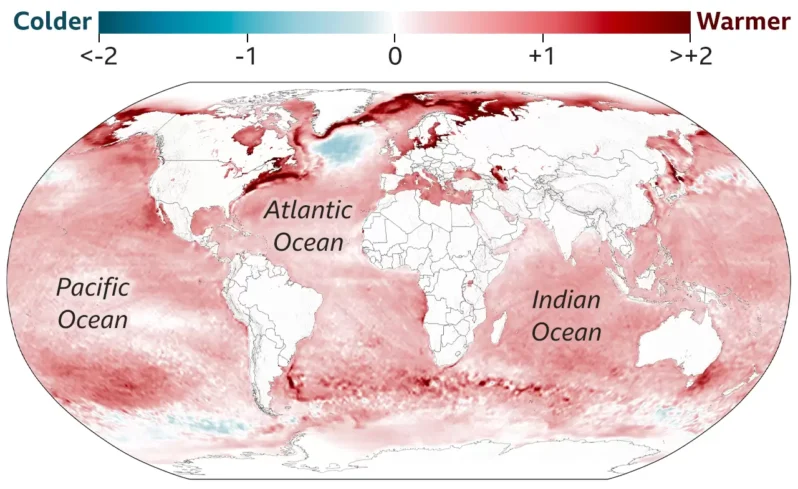
A troubling study appeared last week indicating that over the past 15 years the Earth absorbed as much heat as it had during the prior 45 years, and most of that excess energy went into warming the ocean…
The Red Sea Could be a Climate Refuge for Coral Reefs – Inside Climate News
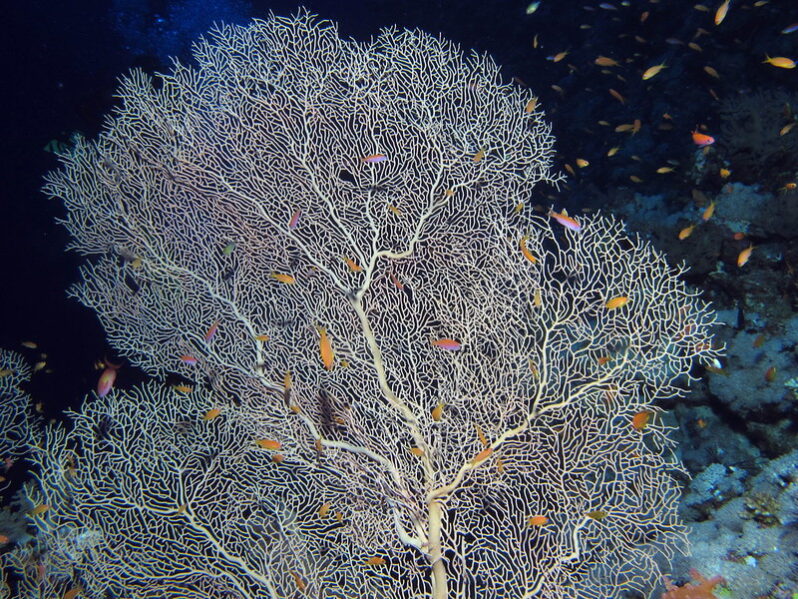
When Lina Challita dives along Egypt’s coast, she doesn’t just see a colorful array of corals and fish. She sees hope. Against the grim backdrop of climate models that project most coral reefs dying by the end of this century in overheating oceans, the northern end of the Red Sea may end up being one of the last places on Earth where those critical ocean ecosystems can survive, at least at least for a while, and perhaps longer if countries of the world manage to cap global warming and stabilize the climate…
Is YOUR town at risk? – Daily Mail
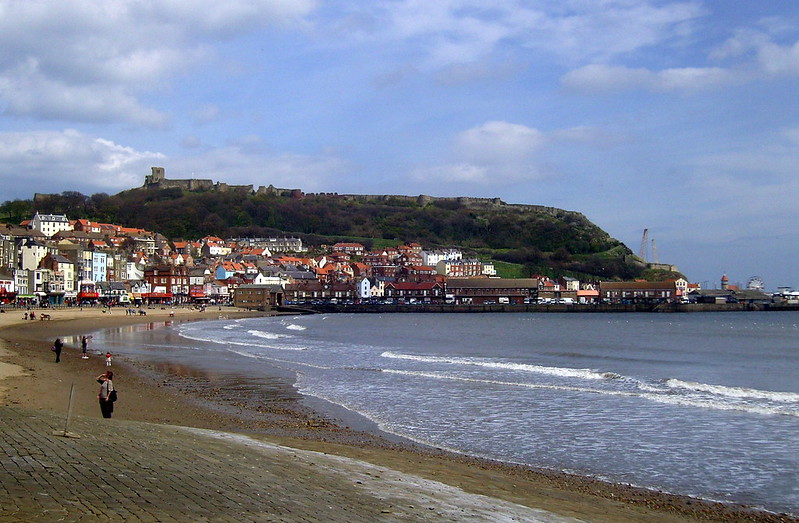
Terrifying interactive map reveals the areas that could be plunged UNDERWATER by 2050 amid sea level rise fuelled by climate change.
With the allure of deck chairs, ice cream and amusement arcades, the Great British seaside holds a special, nostalgic place in the hearts of UK holidaymakers.
But fast forward just 25 years and scores of the country’s beaches, piers and bays could be underwater because of increasing global sea levels caused by global warming…
Why California Is Being Deluged by Atmospheric Rivers – Scientific American
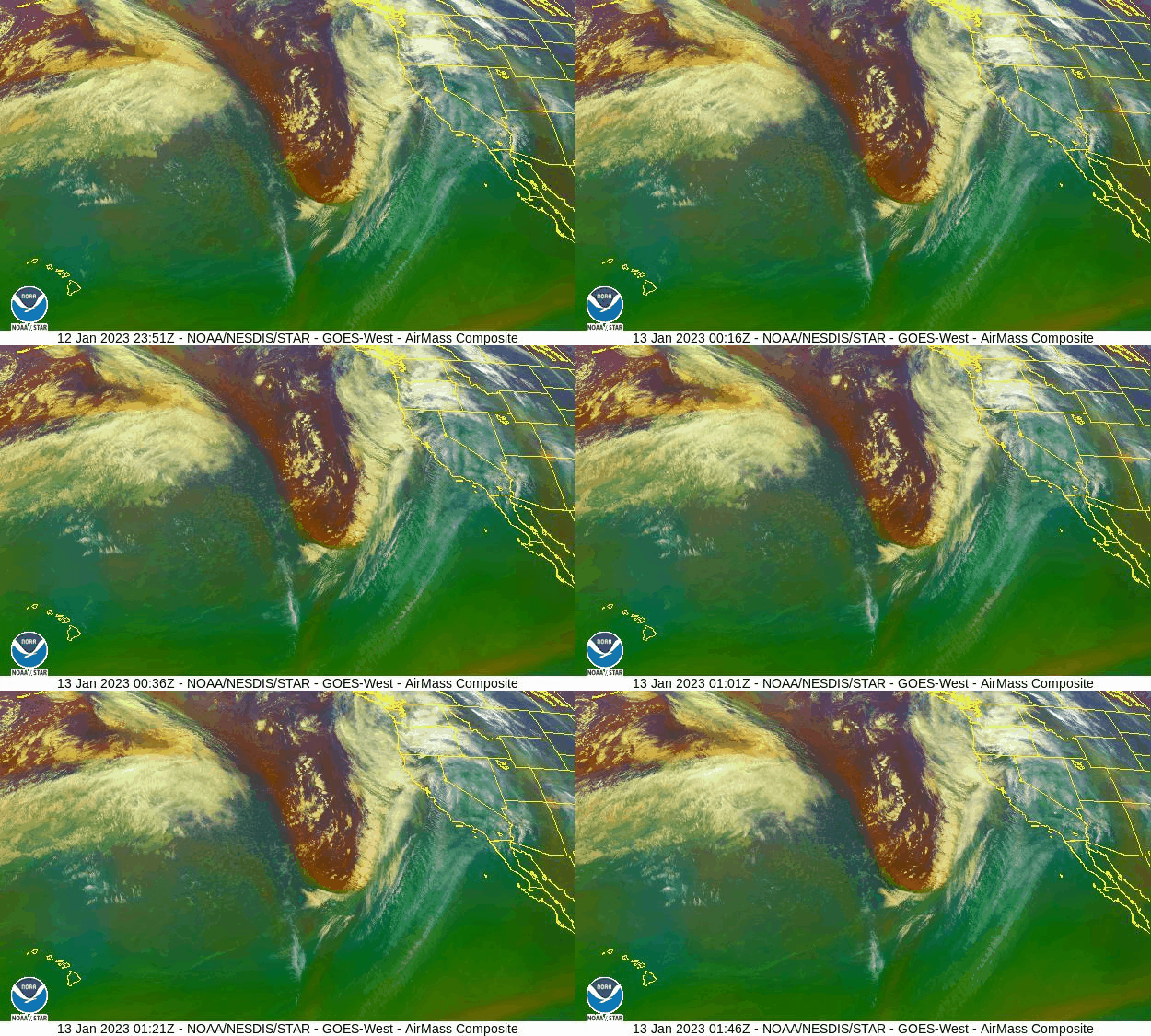
California has been hit by repeated storms fueled by torrents of moisture called atmospheric rivers that will only intensify in a warming climate
California is taking a beating from what the National Weather Service has called a “seemingly never ending parade” of strong storm systems, which started late last December and are still coming. Called atmospheric rivers, they are long, narrow currents of exceptionally wet air that shoot across the ocean, capable of dumping massive volumes of rain or snow on landfall. Although these storms deliver much of the West’s precipitation, they also cause most of the region’s flooding, with associated economic damages as high as $1 billion a year…
New CO2 Record Prompts a Scientist to Ask, ‘What’s It Going to Take for Us to Wake Up?’ – Discover Magazine
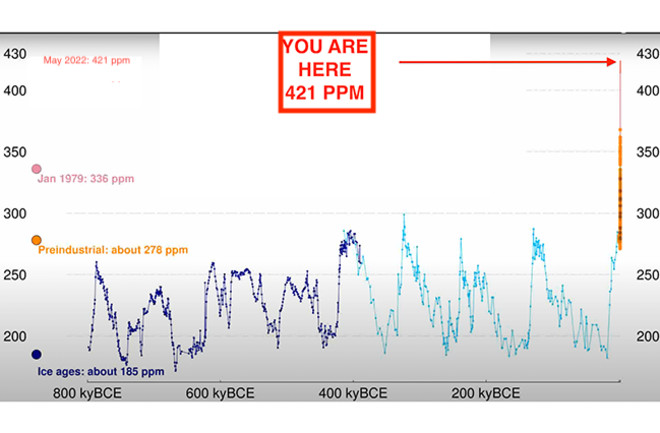
CO2 levels are now 50 percent higher than in pre-industrial times — a level not seen for 4 million years.