
West Antarctic ice sheet faces ‘unavoidable’ melting, a warning for sea level rise – the Washington Post
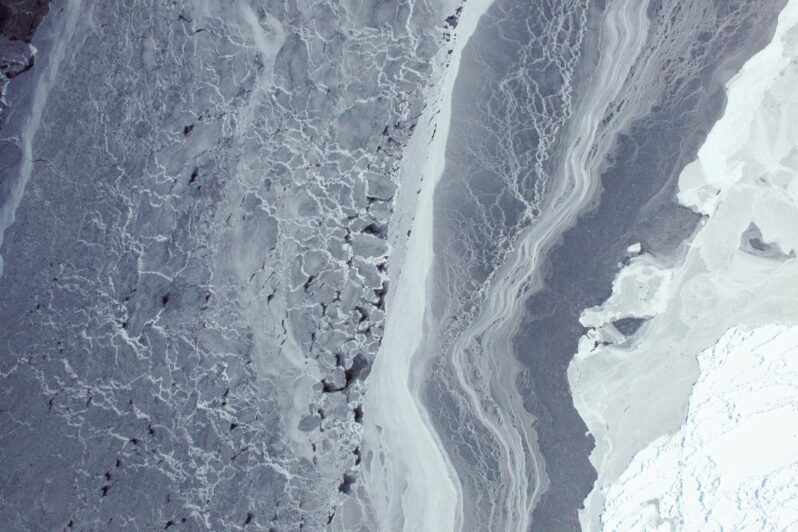
Accelerating ice losses are all but “unavoidable” this century in vulnerable West Antarctic ice shelves as waters warm around them, according to new research. And the analysis could mean scientists were too conservative in predicting about one to three feet of sea level rise by 2100…
Greenland’s ice shelves hold back sea level rise. There are just 5 left – the Washington Post
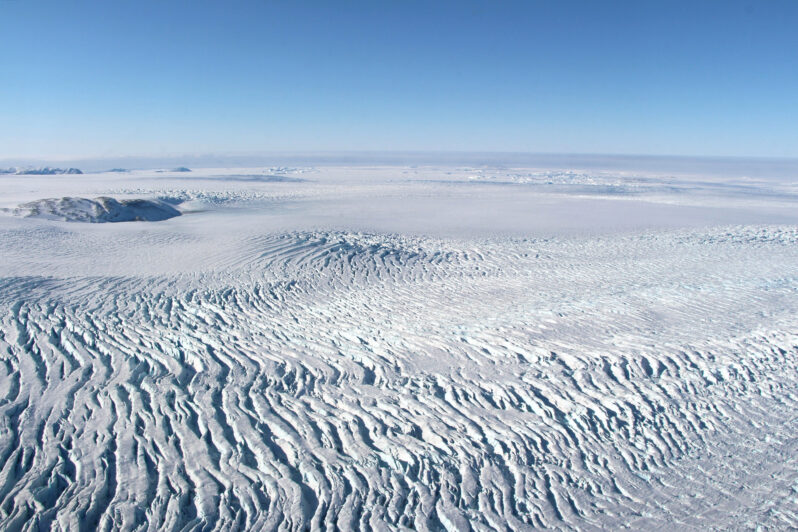
And now there are only five large shelves left, stretching out from their fjords toward the Greenland Sea and the Arctic Ocean. That includes three major ones — Petermann, Ryder and Nioghalvfjerdsbrae (often referred to as 79 North for its location in degrees latitude) — whose respective glaciers could ultimately account for 3.6 feet of sea level rise if they were to melt entirely — a process that would take centuries to play out…
Climate crisis costing $16m an hour in extreme weather damage, study estimates – the Guardian
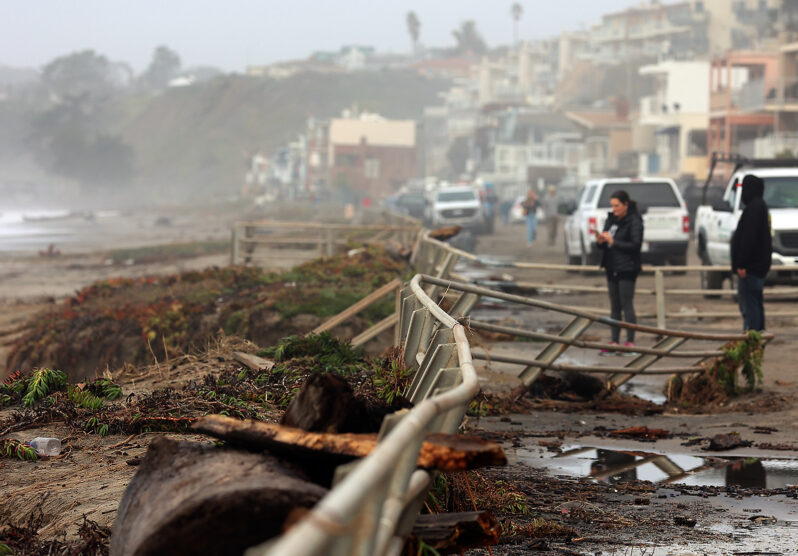
The damage caused by the climate crisis through extreme weather has cost $16m (£13m) an hour for the past 20 years, according to a new estimate.
Storms, floods, heatwaves and droughts have taken many lives and destroyed swathes of property in recent decades, with global heating making the events more frequent and intense. The study is the first to calculate a global figure for the increased costs directly attributable to human-caused global heating…
September shattered global heat record — and by a record margin – the Washington Post
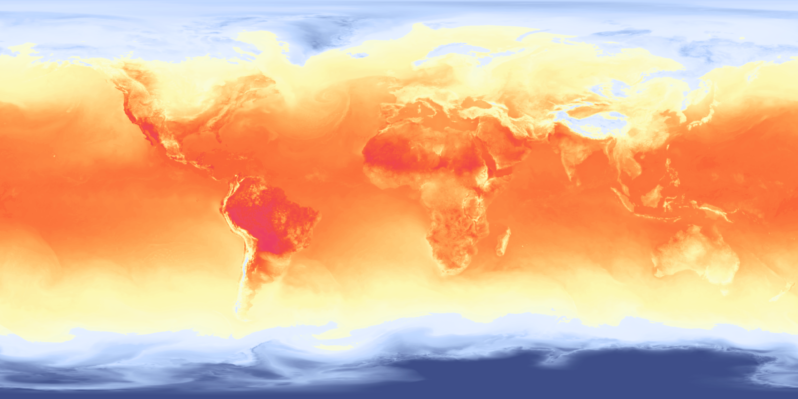
Temperatures around the world last month were at levels closer to normal for July according to separate data analyses by European and Japanese climate scientists.
September’s average temperature was nearly 1 degree Celsius (1.7 degrees Fahrenheit) above 1991-2020 levels — or about 1.7 to 1.8 degrees Celsius (3.1 to 3.2 degrees Fahrenheit) above normal from before industrialization and the widespread use of fossil fuels…
Sorry, Honey, It’s Too Hot for Camp (Podcast) – Atlantic Radio

Summer is getting too hot and dangerous, killing the childhood of our imaginations.
A heat dome in Texas. Wildfire smoke polluting the air in the East and Midwest. The signs are everywhere that our children’s summers will look nothing like our own. In this episode, we talk with the climate writer Emma Pattee about how hot is too hot to go outside. The research is thin and the misconceptions are many—but experts are quickly looking into nuances of how and why children suffer in the heat, so we can prepare for a future that’s already here…
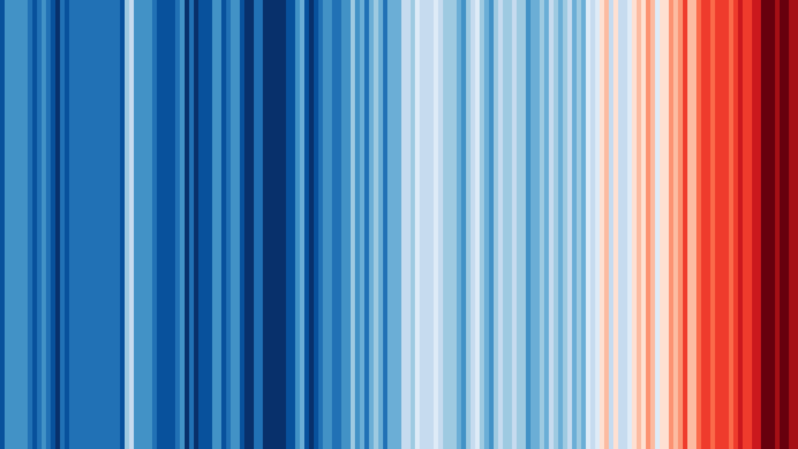
Warming Stripes – Ed Hawkins
An enthusiastic and prolific nature photographer for over 25 years, Steve Mandel’s diverse portfolio includes astronomical imaging, wildlife photography, and the photography of microscopic marine organisms.
Steve is much more than a photographer with a camera. When he can’t find a camera that can capture the sort of imagery he believes is required to broaden our understanding of science and widen our perception, he will just BUILD it himself.
His photographs have appeared in the New York Times, Smithsonian Books, Reader’s Digest, Forbes Magazine, Sky&Telescope, Astronomy, and used by websites including NASA. Three of Steve’s images: of Japanese Macaques, Lemurs in Madagascar, and Proboscis Monkey have been given Highly Honored Awards by the Smithsonian Museum of Natural History and put on display at the Museum. He is also the recipient of the Astronomical Society of the Pacific’s International Amateur Achievement Award, and the American Astronomical Society’s Chambliss Amateur Achievement Medal.
July 4, 2023: The Hottest Day in over 125,000 Years

“We have never seen anything like this before”
– Carlo Buontempo, director of Europe’s Copernicus Climate Change Service quoted in the Washington Post, 07-06-2023…
The world’s hottest day on record was Tuesday, scientists calculate – PBS News Hour
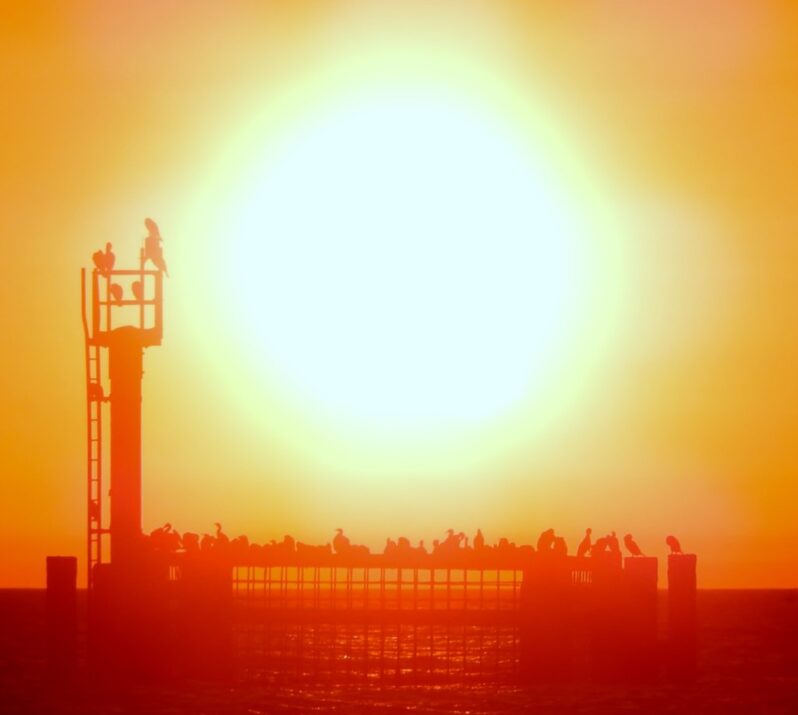
The entire planet sweltered to the unofficial hottest day in human recordkeeping July 3 and then blasted past that with an even hotter day on July 4, according to University of Maine scientists at the Climate Reanalyzer project…
The planet saw its hottest day on record this week – CNN

On Monday, the average global temperature reached 17.01 degrees Celsius (62.62 Fahrenheit), the highest in the US National Centers for Environmental Prediction’s data, which goes back to 1979. On Tuesday, it climbed even further, reaching 17.18 degrees Celsius and global temperature remained at this record-high on Wednesday…