
Skip to content
  • Home | News
  • Coastal Issues
    • Sand Mining
    • Pollution
      • Plastic
      • Hydrocarbon, Waste Water and Run-off
      • Trash
    • Shoreline Erosion | Coastal Armoring + Engineering
    • Dams, Sand Supply, and Habitat Recovery
    • Beach Nourishment + Maintenance
    • Problematic Coastal Development
    • Habitats | Ecosystem Disturbance
    • Climate Change | Sea Level Rise | Ocean Acidification
    • Coastal Management | Adaptation | Policy
    • Coastal Storms | Extreme Weather
  • Beach Basics
    • Reading a Beach
    • Waves
    • Exploring Beach Sand
    • Tides
    • Cyclones | Typhoons | Hurricanes
    • Sand Dunes
    • Coral Reefs
    • Seashells
  • Coastal Care JR
  • Art + Science
  • Resources
    • Book Reviews
    • Beach Science Bibliography
  • Ask an Expert
  • About
  • Contact
  • Home | News
  • Coastal Issues
    • Sand Mining
    • Pollution
      • Plastic
      • Hydrocarbon, Waste Water and Run-off
      • Trash
    • Shoreline Erosion | Coastal Armoring + Engineering
    • Dams, Sand Supply, and Habitat Recovery
    • Beach Nourishment + Maintenance
    • Problematic Coastal Development
    • Habitats | Ecosystem Disturbance
    • Climate Change | Sea Level Rise | Ocean Acidification
    • Coastal Management | Adaptation | Policy
    • Coastal Storms | Extreme Weather
  • Beach Basics
    • Reading a Beach
    • Waves
    • Exploring Beach Sand
    • Tides
    • Cyclones | Typhoons | Hurricanes
    • Sand Dunes
    • Coral Reefs
    • Seashells
  • Coastal Care JR
  • Art + Science
  • Resources
    • Book Reviews
    • Beach Science Bibliography
  • Ask an Expert
  • About
  • Contact

Tag: phthalates

How to reduce microplastic exposure and protect your health – Yale Climate Connections

Disposable Planet (Explore) by Yam Amir CC BY-NC-ND 2.0 via Flickr.

“The moment you open a plastic water bottle, around 50,000 microplastic particles fall into your beverage – not counting the plastic that’s leached from being stored in heat before it hits the fridge,” says Jane van Dis, an OB-GYN and plastics and health expert…

Common chemicals in plastic linked to over 350,000 deaths from heart disease – the Washington Post

A red heart with bubbles and bubbles (illustration by Turgay Koca via prexels.com).

Researchers estimate that exposure to phthalates contributes to 13 percent of all heart disease deaths in people between ages 55 and 64 each year worldwide…

Deep-Diving Whales Mistake Plastic for Prey – PBS North Carolina

Curious humpback whale inspecting diver (courtesy NOAA Photo Library CC BY 2.0 via Flickr).

To Whales, Our Plastic Debris Sounds Like Dinner…

‘Underwater avalanches’ are creating ocean microplastics hotspots – Oceanographic
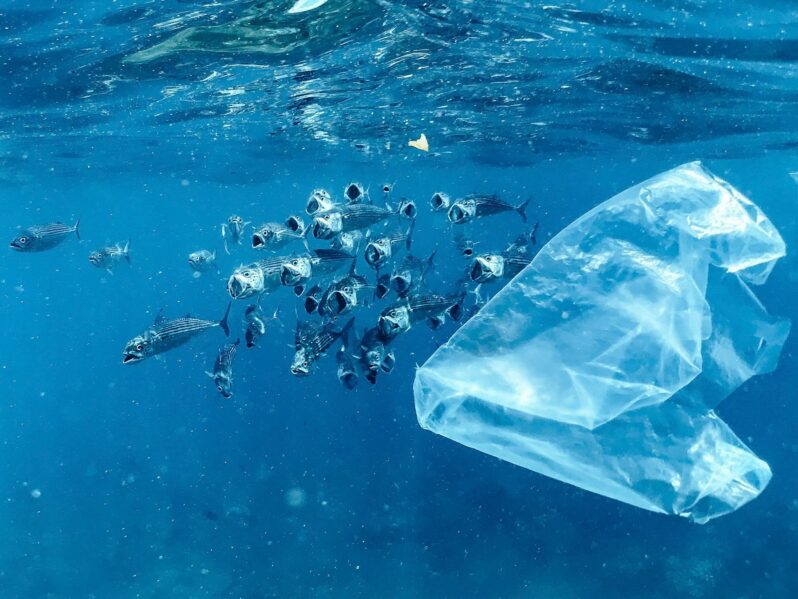
A shoal of Striped Mackerel filter feeding amongst loads of plastic waste (by Naja Bertolt Jensen from Unsplash).

Scientists from The University of Manchester and the National Oceanography Centre have found that fast-moving ‘underwater avalanches’ known as turbidity currents are moving vast quantities of microplastics pollution to areas of high biodiversity…

How to eat and drink fewer microplastics – the Washington Post
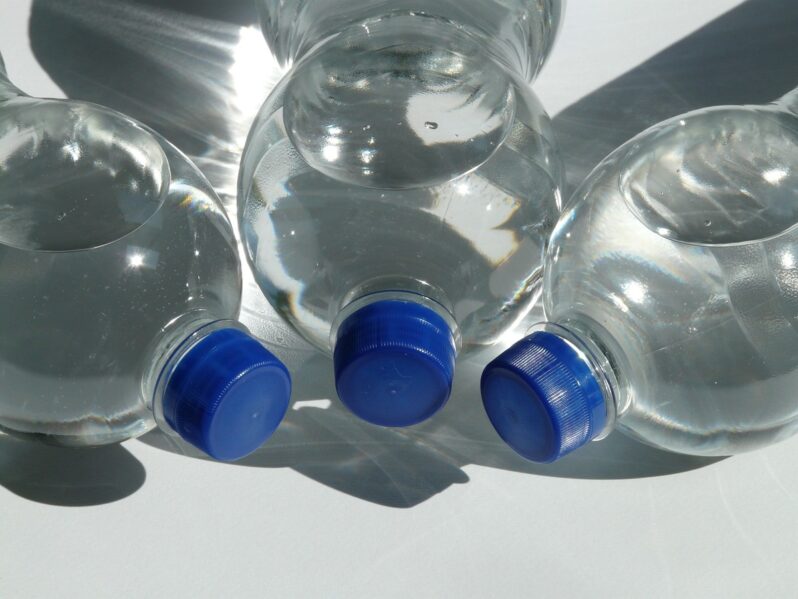
Close-up of plastic water bottles (Courtesy of PxHere.com)

The peer-reviewed study detected microplastics in 180 of 182 samples comprising five types of fish and pink shrimp…

Study finds microplastic contamination in 99% of seafood samples – the Guardian

The peer-reviewed study detected microplastics in 180 of 182 samples comprising five types of fish and pink shrimp…

The more plastic companies make, the more they pollute – Grist Magazine

Thrown away plastic bottle on the ground (by Ivan Radic CC BY 2.0 DEED via Flickr).

A new study, drawing on five years of data collected across 84 countries, proves what seems self-evident…

The world dumps 2,000 truckloads of plastic into the ocean each day. Here’s where a lot of it ends up – CNN
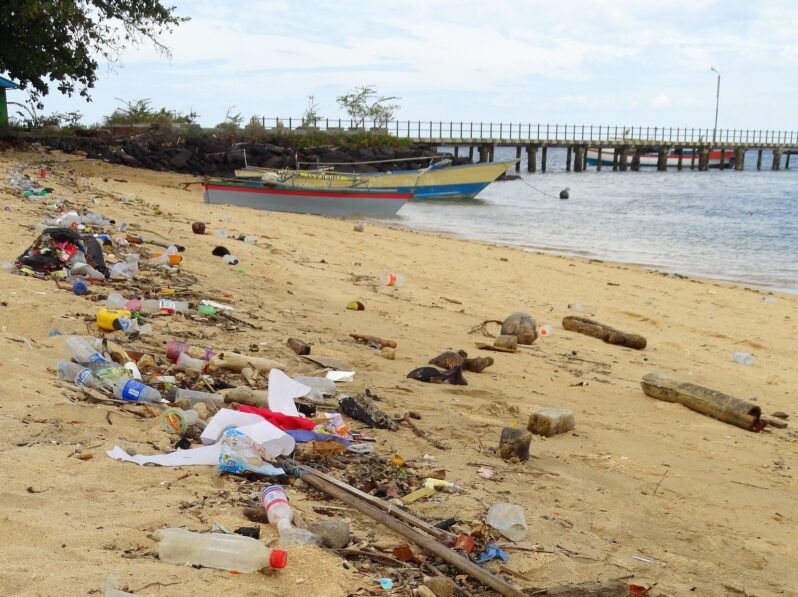
Plastic & garbage on the coast in Pulau Bunaken, Sulawesi, Indonesia, August 2014 (by Fabio Achilli CC BY 2.0 DEED via Flickr).

The western coast of Java in Indonesia is popular with surfers for its world-famous breaks. There’s a majestic underwater world to explore, too. But it’s impossible to surf or snorkel without running into plastic water bottles, single-use cups and food wrappers. The garbage sometimes forms islands in the sea, and much of it washes ashore, accumulating as mountains on the beach…

What will it take to get companies to embrace reusable packaging? – Grist Magazine

Mason jars (by pepperberryfarm CC BY-NC-ND 2.0 DEED via

The Philippine capital is the latest city to address rampant plastic pollution through a community-guided protocol.

Next →
  • Home | News
  • FAQ
  • Privacy Policy
  • Legal Notice
  • Archived Menu
  • Contact
  • Home | News
  • FAQ
  • Privacy Policy
  • Legal Notice
  • Archived Menu
  • Contact
Instagram Facebook Twitter

© 2010 – 2024 CoastalCare.org