
Kenya: Marine debris threaten to suffocate sea animals
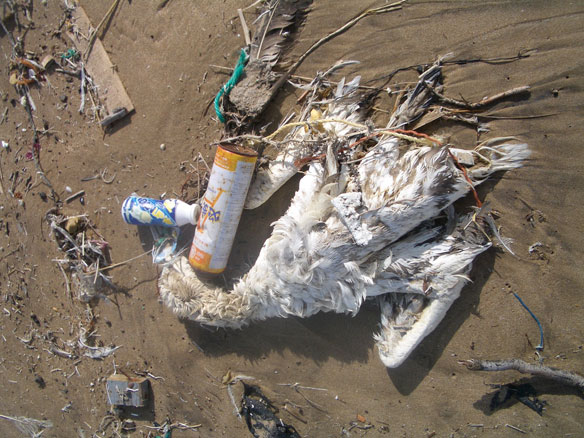
Marine researchers spotted a dolphin suffocating in a plastic bag last week in Watamu, Kenya. The incident, the first to be witnessed there, has raised concern on the safety of the millions of sea animals in the Indian Ocean waters due to the increased cases of plastic waste.
Plastic you can drink: A solution for pollution?
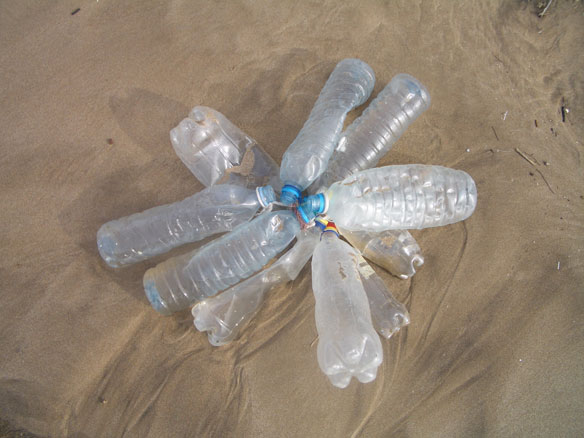
Entrepreneurs from Bali, studied the emerging field of bioplastics and devised their own recipe using cassava starch, vegetable oil, and organic resins. The resulting “100% bio-based” material was biodegradable and compostable, breaking down over a period of months on land or at sea, or instantly in hot water.
New UN report finds marine debris harming more than 800 species, costing countries millions
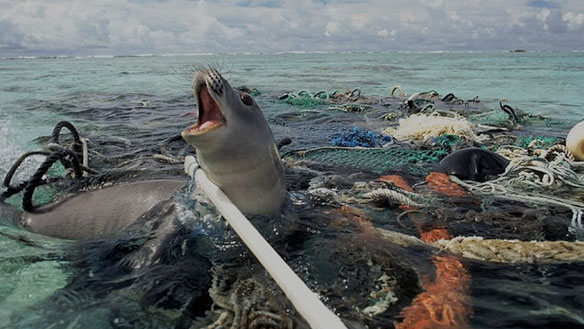
Marine debris is negatively affecting more than 800 animal species and causing serious losses to many countries’ economies, according to a United Nations report launched December 5th, 2016.
Researchers estimate 10,000 metric tons of plastic enter Great Lakes every year
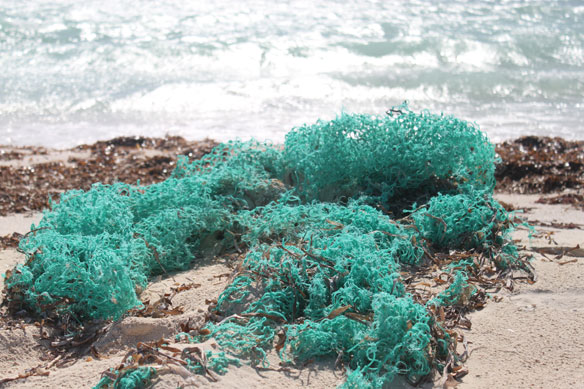
A new study that inventories and tracks high concentrations of plastic in the Great Lakes could help inform cleanup efforts and target pollution prevention. Researchers found that nearly 10,000 metric tons — or 22 million pounds — of plastic debris enter the Great Lakes every year from the United States and Canada.
Plastic Island: How our throwaway culture is turning paradise into a graveyard
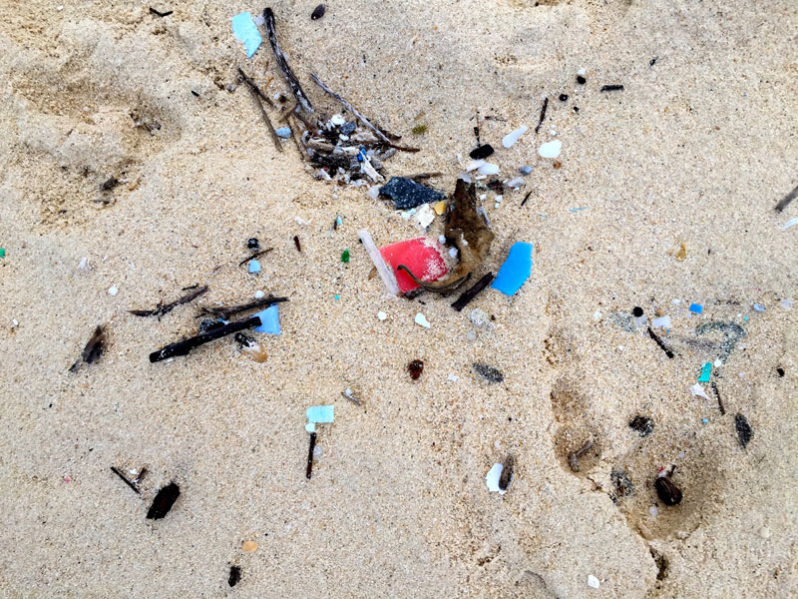
The distance from humanity yawns out in front of you when you stand on the pale sands of this tiny Pacific island. Midway Atoll is just about the furthest piece of land from civilization and its constant engine whir, data and jostle. Standing on the island’s remote shoreline brings a calm and humility — until you look down at your feet.
Great Pacific garbage patch far bigger than imagined, aerial survey shows
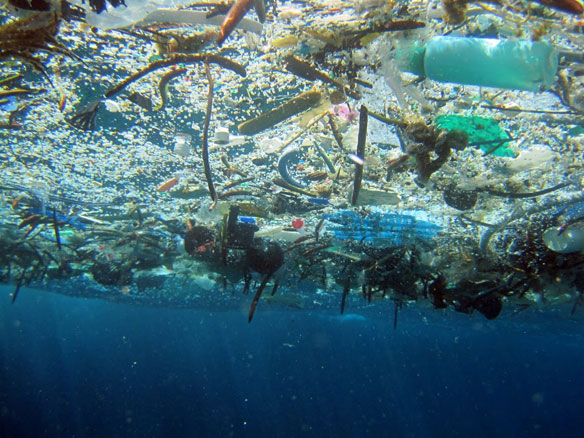
The vast patch of garbage floating in the Pacific Ocean is far worse than previously thought, with an aerial survey finding a much larger mass of fishing nets, plastic containers and other discarded items than imagined.
What Do A Band-Aid, Plastic Bag, And Balloon Have In Common?

…” I saw all three In my 3.3km swim across the Strait Of Messina. Even though this waterway is known as a biodiversity hotspot, I saw no fish during what ended up being a nearly 5.2km swim…”
This Company Turns Plastic Bottle Trash From The Ocean Into Clothing
The New York City-based startup, Bionic Yarn, turns used old plastic bottles, some of which were recovered from ocean shorelines, and turns them into yarns and fabrics for clothing.
Not all bioplastics are created equal
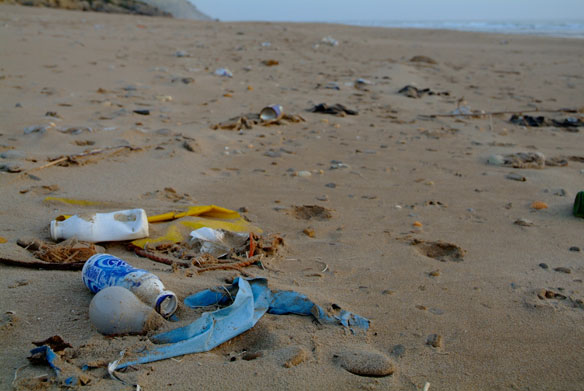
Conventional plastics are seen as environmentally unfriendly because they’re made from fossil fuels. However, as plastic production grows, plant-derived polyethylene terephthalate (BioPET) has been touted as a more environmentally friendly alternative to PET, a plastic primarily used in beverage bottles. But a new study suggests that’s not always the case.