
‘Repetitive Loss’ Properties Raise Debate Over Rebuilding After Floods
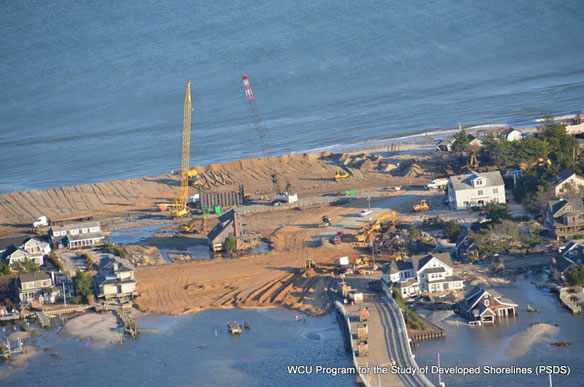
Throughout Connecticut, thousands of homes have suffered: repetitive loss, as FEMA calls it, from flooding. Many residents have rebuilt multiple times. And many, also have used government funds from an alphabet soup of federal programs and agencies to do some, if not all, of the work. But shoreline and climate experts, public officials and others have grown increasingly critical of such programs.
New Study Projects That Melting of Antarctic Ice Shelves Will Intensify
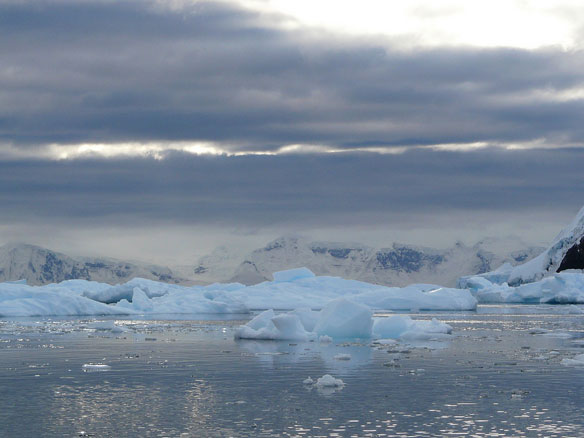
New research published today projects a doubling of surface melting of Antarctic ice shelves by 2050 and that by 2100 melting may surpass intensities associated with ice shelf collapse, if greenhouse gas emissions from fossil fuel consumption continue at the present rate.
Vulnerable Nations Call For More Access to Climate Funds
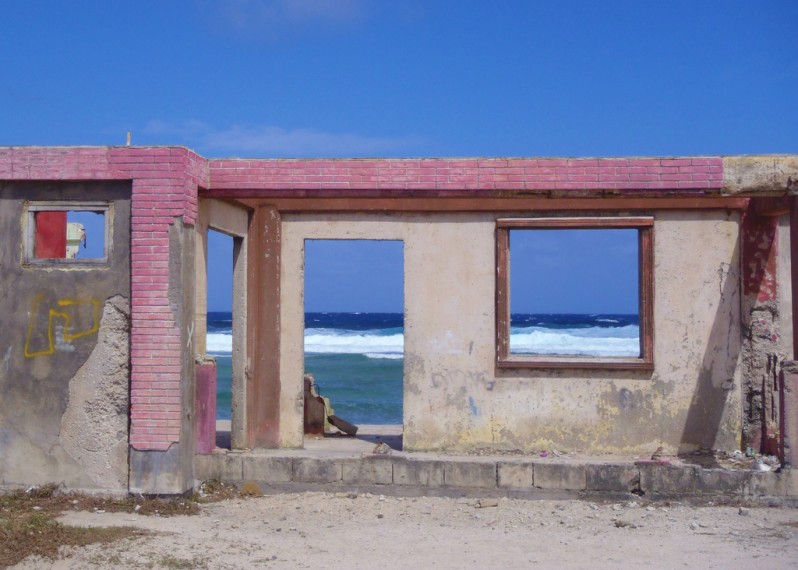
Finance ministers from the 20 countries most vulnerable to climate change have formed a group to call for greater access to climate finance for adaptation and mitigation in the face of the most devastating effects of global warming.
NOAA awards $1.1 Million to Support Coastal Communities Facing Changing Sea Levels and Coastal Flooding
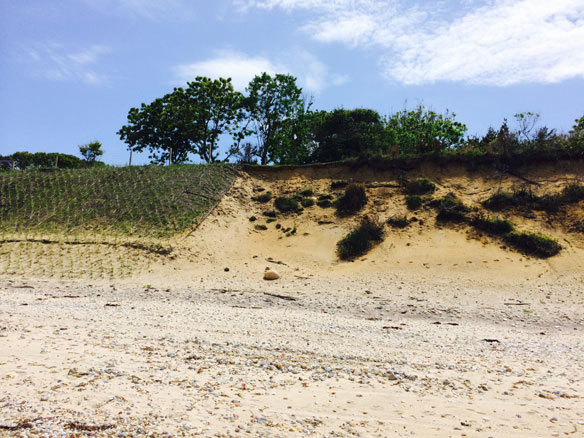
NOAA has awarded more than $1.1 million for research to give coastal communities new ways to incorporate natural infrastructure, such as restored wetlands, into their coastal resilience planning for sea level rise and coastal flooding.
Flood Threat Continues Monday in Coastal Carolinas

Locally heavy rain continues to drench parts of coastal South Carolina and North Carolina Monday, but a drying trend appears to be finally on the horizon.
Escaping the Waves: a Fijian Village Relocates, a Video

Sailosi Ramatu, headman of Vunidogoloa in Fiji, takes us to visit his old home, one of the first villages in the world to relocate due to rising sea levels caused by climate change. “When many understand climate change in concept but not through personal experience, this exhibit carries great weight…”
Many Atolls May be Uninhabitable Within Decades Due to Climate Change
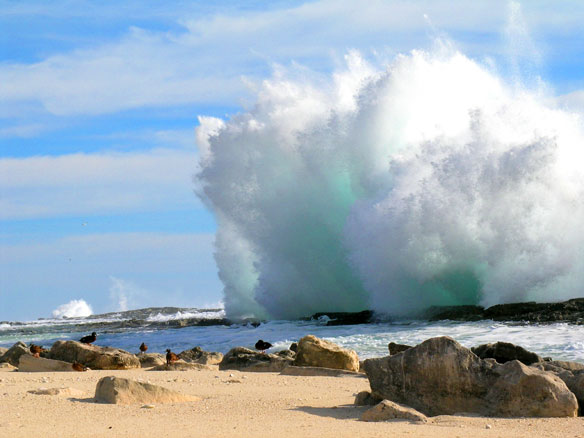
A new study shows that the combined effect of storm-induced wave-driven flooding and sea level rise on island atolls may be more severe and happen sooner than previous estimates of inundation predicted by passive “bathtub” modeling for low-lying atoll islands, and especially at higher sea levels forecasted for the future due to climate change.
Flood Risk on Rise for New York City, New Jersey Coast, Study Finds
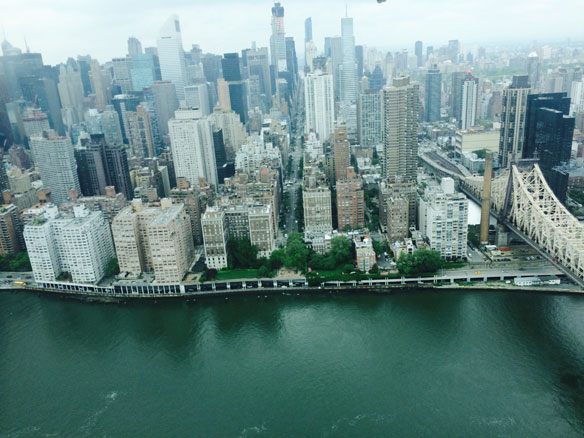
For the first time, climate researchers compared both sea-level rise rates and storm surge heights in prehistoric and modern eras and found that the combined increases of each have raised the likelihood of a devastating 500-year flood occurring as often as every 25 years.
The Waters are Rising on NASA’s Shores
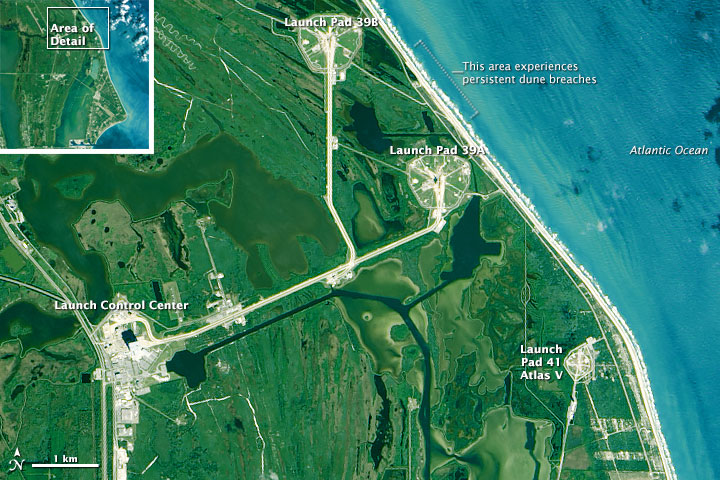
Sea level also matters in a horizontal direction. A rule of thumb is that 1 inch of vertical change in sea level translates into 100 inches of horizontal loss on a flat beach or marsh. In this way, a little bit of sea level rise can translate into a lot of water moving inland when there are storms or abnormally high tides.