
El Niño May Break a Record and Reshape Weather around the Globe – Scientific American
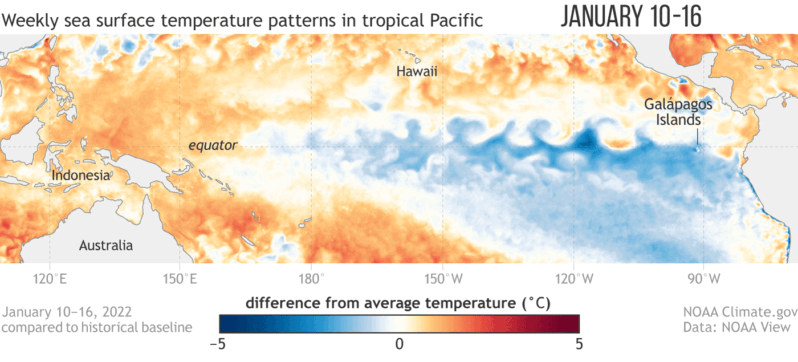
Seven years ago an exceptionally strong El Niño took hold in the Pacific Ocean, triggering a cascade of damaging changes to the world’s weather. Indonesia was plunged into a deep drought that fueled exceptional wildfires, while heavy rains inundated villages and farmers’ fields in parts of the Horn of Africa. The event also helped make 2016 the planet’s hottest year on record. Now El Niño is back…
As Ocean Oxygen Levels Dip, Fish Face an Uncertain Future – Yale Environment 360
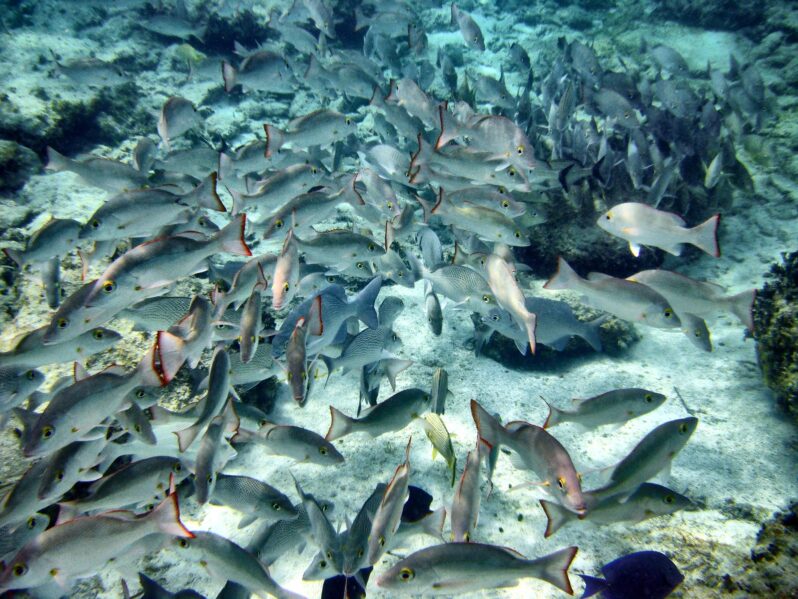
Global warming not only increases ocean temperatures, it triggers a cascade of effects that are stripping the seas of oxygen. Fish are already moving to new waters in search of oxygen, and scientists are warning of the long-term threat to fish species and marine ecosystems.
ff the coast of southeastern China, one particular fish species is booming: the oddly named Bombay duck, a long, slim fish with a distinctive, gaping jaw and a texture like jelly. When research ships trawl the seafloor off that coast, they now catch upwards of 440 pounds of the gelatinous fish per hour — a more than tenfold increase over a decade ago. “It’s monstrous,” says University of British Columbia fisheries researcher Daniel Pauly of the explosion in numbers…
El Niño and extreme Atlantic Ocean heat are about to clash – the Conversation
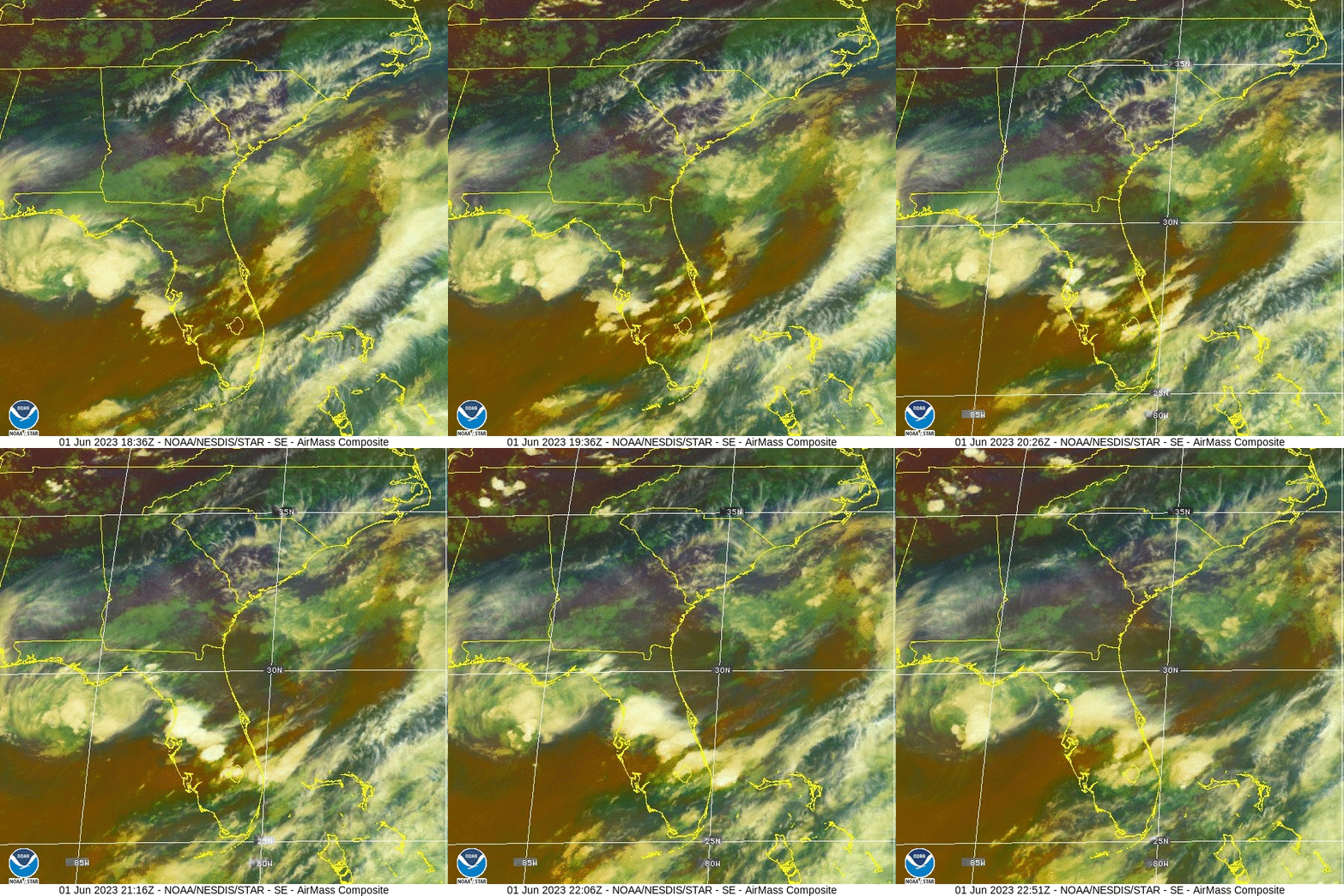
Globally, warm sea surface temperatures that can fuel hurricanes have been off the charts in the spring of 2023, but what really matters for Atlantic hurricanes are the ocean temperatures in two locations: the North Atlantic basin…This year, the two are in conflict – and likely to exert counteracting influences on the crucial conditions that can make or break an Atlantic hurricane season. The result could be good news…But forecasters are warning that that hurricane forecast hinges on El Niño panning out…
Increasing Rate of Warming of Oceans + Earth . . .
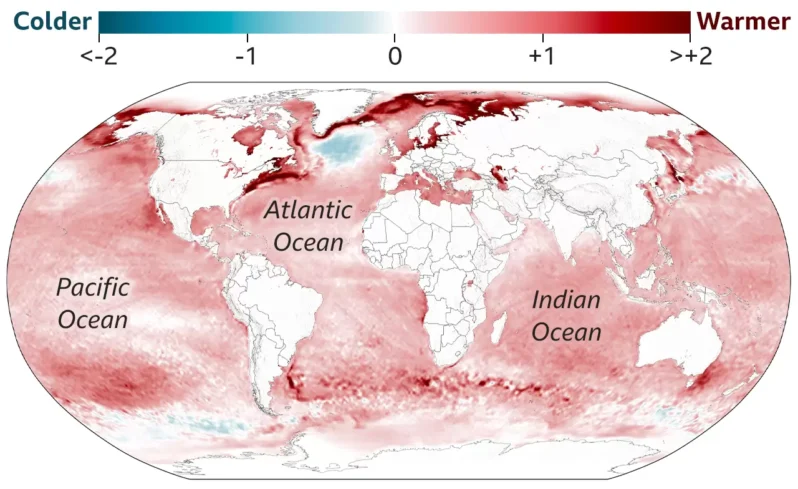
A troubling study appeared last week indicating that over the past 15 years the Earth absorbed as much heat as it had during the prior 45 years, and most of that excess energy went into warming the ocean…