
Innovators are turning once discarded seafood waste into profitable products
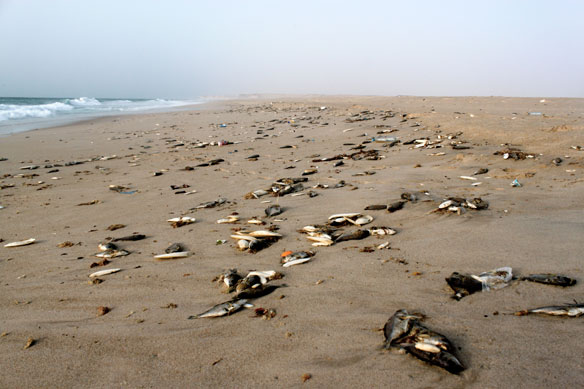
US fishermen throw out an estimated 2bn pounds in bycatch alone – an amount worth about $1bn. Seafood processors commonly dispose fish guts, heads, tails, fins, skin and crab shells in marine waters. Once there, the decomposing organic matter can suck up available oxygen for living species nearby, bury other organisms or introduce disease and non-native species to the local ecosystem.
Sea Lions Exposed To Toxic Algae At Risk Of Brain Damage and Memory Loss

A toxin in algae may be erasing the memory of sea lions, which wash ashore by the hundreds each year off the coast of California, disoriented and suffering seizures, scientists said .
Estimates of offshore drilling’s benefits exaggerated, report says
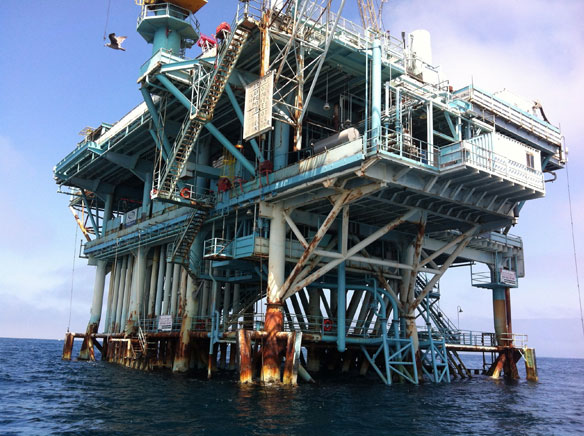
A report released Tuesday and prepared for the Southern Environmental Law Center, contends that the potential economic benefits, as cited in a prior report released in 2013 by the American Petroleum Institute, have been exaggerated and don’t take into account the potential loss of jobs in tourism, commercial fishing and other business sectors.
Leatherback sea turtles choose nest sites carefully, study finds
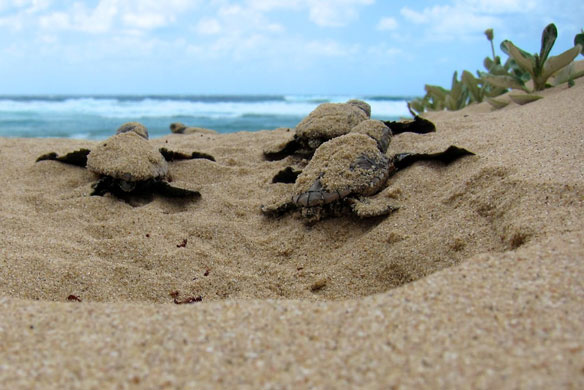
After hatching and dispersing across the world’s oceans, the female leatherbacks return to their natal beaches to lay clutches of eggs in the sand. A new study offers fresh insights into their nesting choices. However, human encroachment on leatherback nesting beaches, in the form of beachfront construction and sand mining, is a major threat to the animals’ continuation as a species.
Thousands flee as powerful typhoon slams Philippines
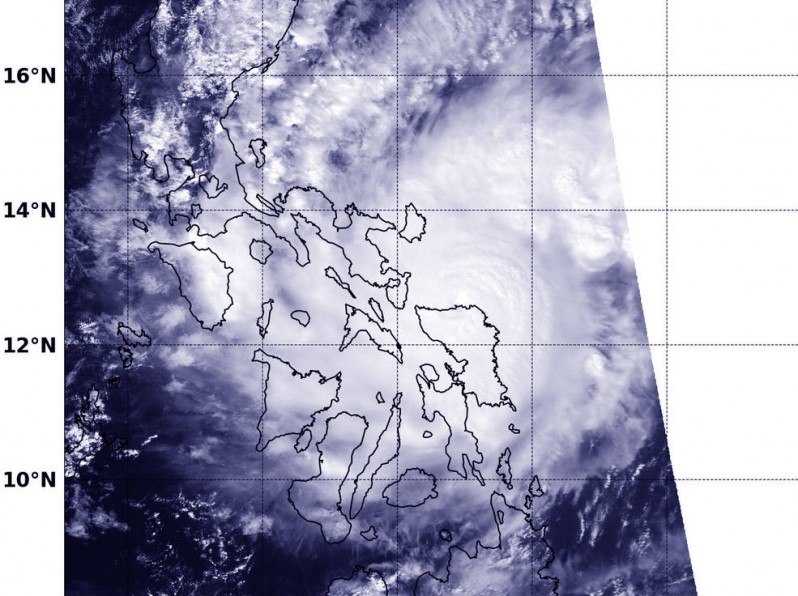
About 725,000 people fled their homes and communities braced for heavy rain and coastal floods of up to 13 feet as Typhoon Melor slammed Monday into the eastern Philippines, officials said.
Time to turn words into climate action

Words must be put into action to save the planet. The post-2020 Paris Agreement ends decades-long rows between rich and poor nations over how to carry out what will be a multi-trillion dollar campaign to cap global warming and cope with the impacts of a shifting climate.
What does COP21 deal really mean for Earth’s future?

Scientists who closely monitored the talks in Paris said it was not the agreement that humanity really needed. By itself, it will not save the planet. 50 years after the first warning about global warming was put on the desk of a US president, and quickly forgotten, the political system of the world is finally responding in a way that scientists see as commensurate with the scale of the threat…
Paradise Lost? Beach sand mining, Ngapali beach, Myanmar
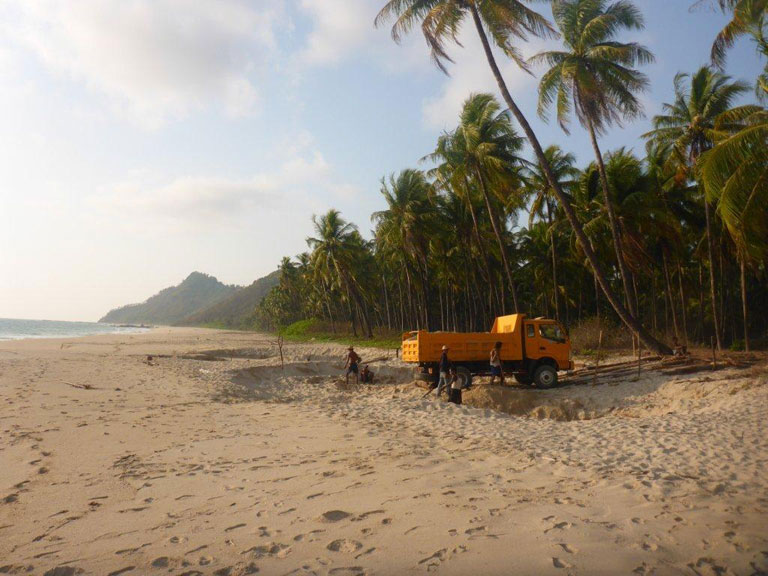
Twenty years ago Ngapali Beach, on the Bay of Bengal, was an unspoilt gem in the crown of Myanmar’s natural treasures. Times have changed. Beach sand mining at Ngapali, has disturbed the natural balance.
A dossier and photo reportage by Oliver Soe Thet.
Save beach from renourishment
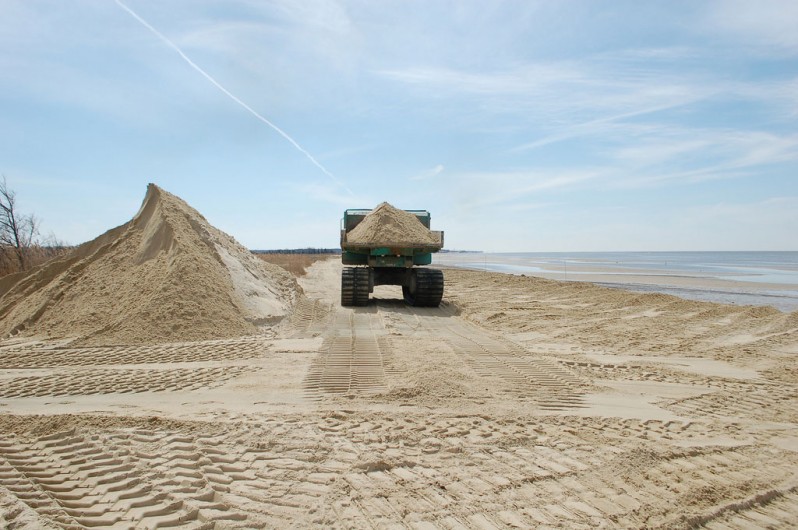
If we really value our beach and what it means to our economy, we should do more to protect it. With so-called beach renourishment (pumping offshore sand onto beach for protection) and the current Coastal Construction Line (development setback line), we are just toying with protection.