
Overfishing is as big a threat to humanity as it is to our oceans
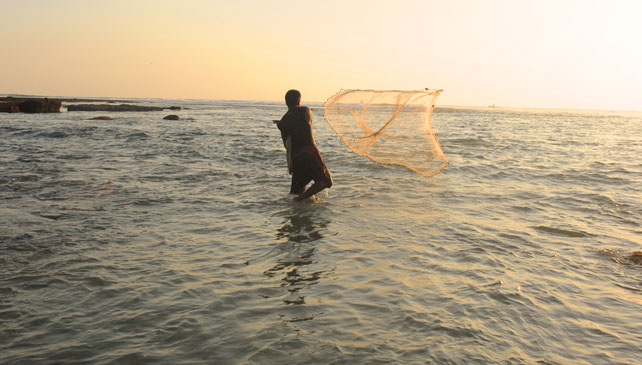
There has never been a more urgent time for seafood businesses and fishing nations to make a commitment to sustainability. The world’s oceans are in trouble, with marine life plummeting and the people who are dependent on the sea for income and food left increasingly vulnerable.
What happened to all the sand at San Pedro’s Cabrillo Beach?
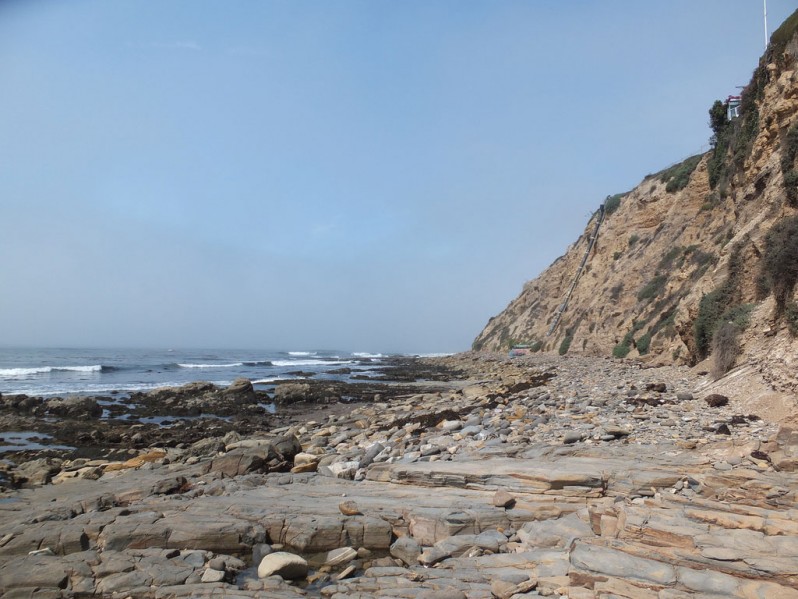
Powerful, El Niño-fueled waves have washed away massive amounts of sand at many of L.A. County’s beaches, causing more erosion than typical winter months. Countywide, beaches have seen 25 to 50 percent erosion since last summer.
Can art help? Museums joining the conversation about sea-level rise and climate change

Topics like climate change and sea-level rise are not only reserved for government and university research. The Virginia Museum of Contemporary Art and local museums, are joining the conversation.
Study: Rising Seas Slowed by Increasing Water on Land

New measurements from a NASA satellite have allowed researchers to identify and quantify, for the first time, how climate-driven increases of liquid water storage on land have temporarily slowed the rate of sea level rise by about 20 percent.
Fiji becomes first country in the world to ratify Paris agreement

Fiji has become the first country in the world to formally approve the UN climate deal agreed by 195 nations in Paris in December. The island nation’s parliament unanimously agreed to ratify the Paris agreement on Friday.
Grain by Grain, Truck by Truck: How Myanmar Is Losing its Beaches
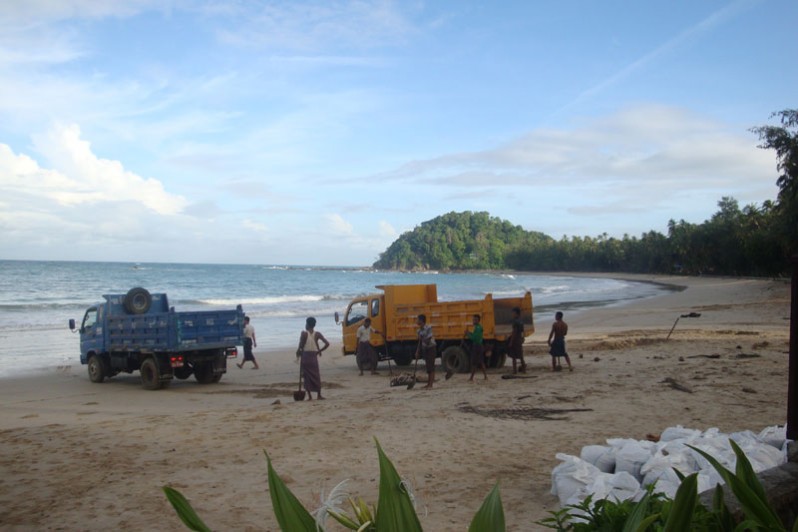
Around every corner waits a new truck. Workers dig their shovels into the powdery white sand of Myanmar’s Ngapali beach, the country’s top seaside destination, and lift it onto the truck beds. Vast craters dot the coastline.
Sea-level rise ‘could last twice as long as human history’
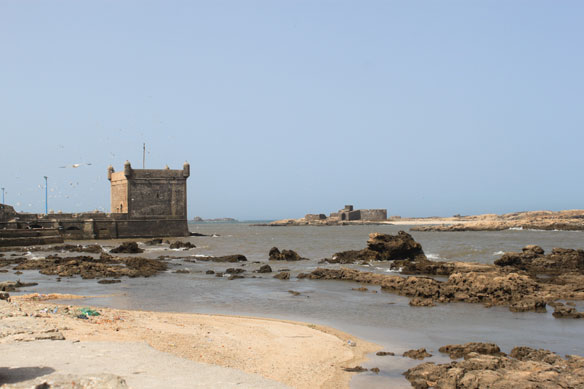
Huge sea-level rises caused by climate change will last far longer than the entire history of human civilisation to date, according to new research, unless the brief window of opportunity of the next few decades is used to cut carbon emissions drastically.
Mavericks Competition: Why Surf Spot Has Monster Waves
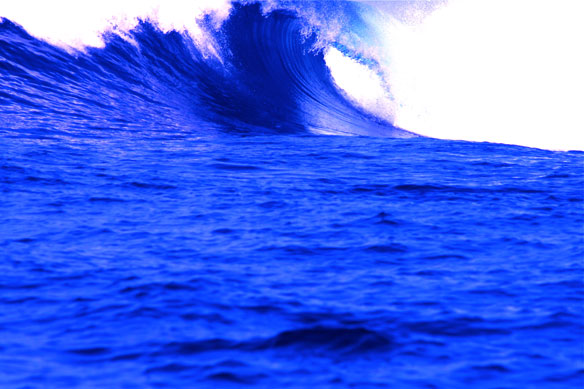
Right now, the world’s best surfers are riding the monster waves at Titans of Mavericks, an elite surf competition that pits big-wave riders against the monster swells at a Northern California Beach. Waves this year were slated to reach 50 feet (15 meters) tall, with winds of 46 to 75 mph (40 to 65 knots). But just why do the waves get so big at this particular time and spot?
Window to reduce carbon emissions is small, scientists say

At the rate humans are emitting carbon into the atmosphere, Earth may suffer irreparable damage that could last tens of thousands of years, according to a new analysis published this week.