
UN Declares War on Ocean Plastic

UN Environment launched today an unprecedented global campaign to eliminate major sources of marine litter: microplastics in cosmetics and the excessive, wasteful usage of single-use plastic by the year 2022.
Air pollution may have masked mid-20th Century sea ice loss
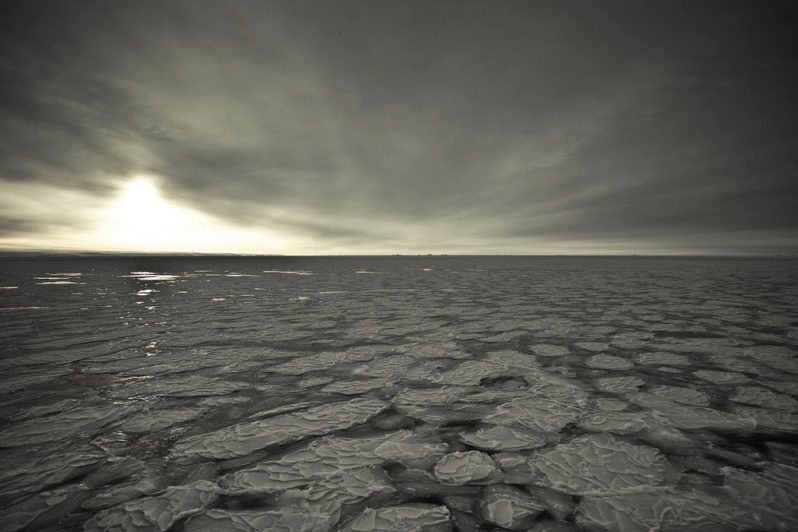
Humans may have been altering Arctic sea ice longer than previously thought, according to researchers studying the effects of air pollution on sea ice growth in the mid-20th Century.
TripAdvisor names the world’s best beach in 2017 Traveler’s Choice ranking
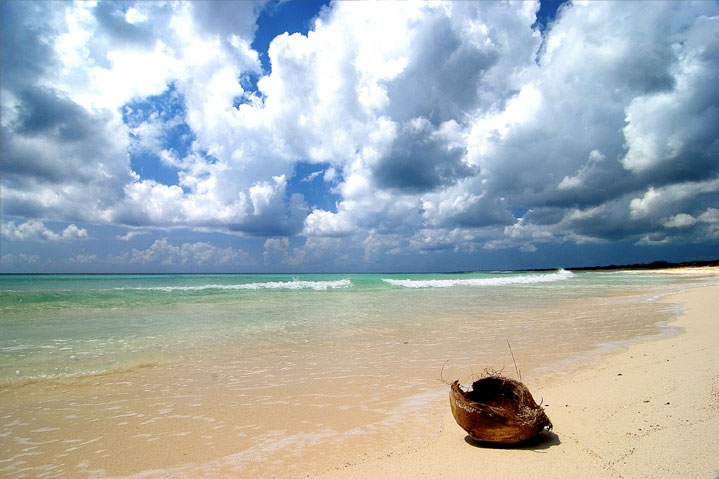
TripAdvisor Travellers’ Choice awards, the annual list of the world’s best beaches, voted for by holidaymakers, has been revealed.
Only 14% of plastics are recycled – can tech innovation tackle the rest?

The world recycles just 14% of the plastic packaging it uses. Even worse: 8m tons of plastic, much of it packaging, ends up in the oceans each year. 30% (by weight) of the plastic packaging isn’t recycled because the material is contaminated or too small for easy collection, has very low economic value or contains multiple materials that cannot be easily separated.
Plastic from tyres ‘major source’ of ocean pollution
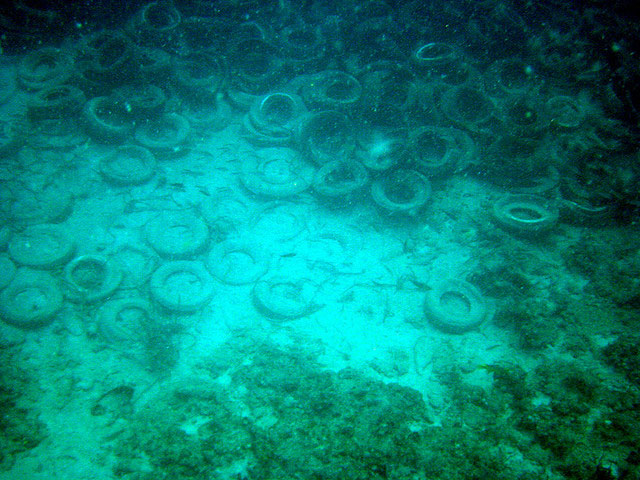
Microplastics from tyres and textiles are a bigger source of marine pollution than the breakdown of larger plastic waste in some areas, says the IUCN. The IUCN reviewed data from seven global regions to look at how much of the estimated 9.5 million tonnes of new plastic waste released into the oceans each year comes from primary microplastics.
How a Brewer is helping save NZ beaches by recycling used beer bottles back into sand

New Zealand beer brand DB Export is recycling its used bottles to make a man-made sand – an effort the company hopes will help preserve our beaches. The company hopes the programme will help cut down the amount of sand dredged from beaches. The average Kiwi consumer uses more than 200kg of sand each year, most of which comes from beaches. It’s a non-renewable resource and is also used to make glass.
Walk the beach of uncommon history, treasures

February is a fabulous month to explore the sandy shoreline of the Mississippi Coast.
Scientists study ocean absorption of human carbon pollution

As humans burn fossil fuels and release greenhouse gases, those gases enter the atmosphere where they cause increases in global temperatures and climate consequences. But for many years scientists have known that not all of the carbon dioxide we emit ends up in the atmosphere. About 40% actually gets absorbed in the ocean waters.
Making the Deep Blue Sea Green Again

The UN Oceans Conference planned for June 2017 aims to create a more coordinated global approach to protecting the world’s oceans from rising threats such as acidification, plastic litter, rising sea levels and declining fish stocks.