
Line in the sand, Video

The world is running low on sand. It’s a basic ingredient in construction – think skyscrapers, shopping malls, roads and windows – and cities are growing faster and bigger than at any time in history. Legal supply can’t keep up. So now organised criminals are hitting pay dirt, pillaging millions of tonnes of sand from the India’s beaches, riverbeds and hillsides.
Climate Progress, With or Without Trump

President Trump’s unfortunate and misguided rollback of environmental protections has led to a depressing and widespread belief that the United States can no longer meet its commitment under the Paris climate change agreement. But here’s the good news: It’s wrong.
A swath of Miami Beach was washing away. The fix? Dump 285,000 tons of sand on it
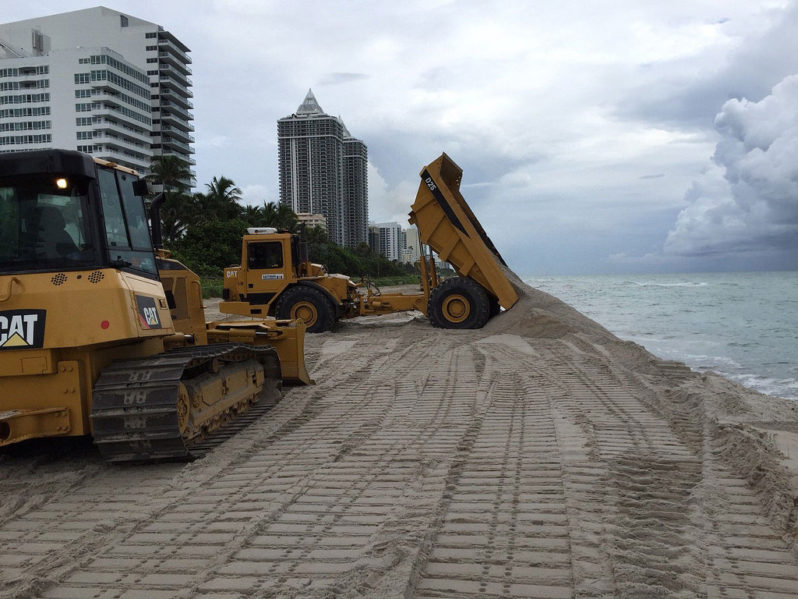
To widen a 3,000-foot stretch of Miami Beach’s shore that was washing away, the U.S. Army Corps of Engineers dumped 285,412 tons of sand on Mid-Beach, a $11.5 million project, funded with a combination of federal, state and county dollars.
How and why China is building islands in the South China Sea

China has been building manmade bases over some of the Spratly Islands in the South China Sea since 2014, specifically targeting shallower areas, sandbanks, and reefs—islands, the shallower the better; a place that won’t sink under a load of concrete.
Flood Waters Inundate Coastal Peru
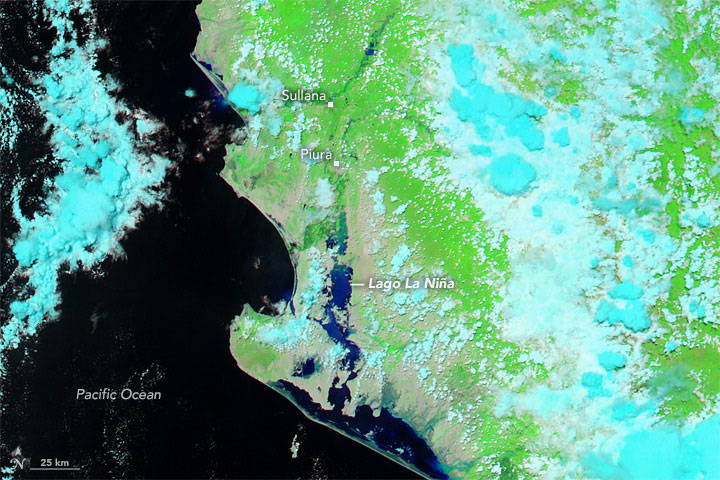
Mulitple storms hit Peru’s north coast between March 19 and 23, bringing heavy rain and lightning. Even after the worst of the storms had passed, the rains continued in the country’s north. Some meteorologists have pointed to extremely warm waters off Peru’s coast as a possible source for the high levels of moisture in the atmosphere.
World’s first green-energy boat prepares for a six-year voyage around the world
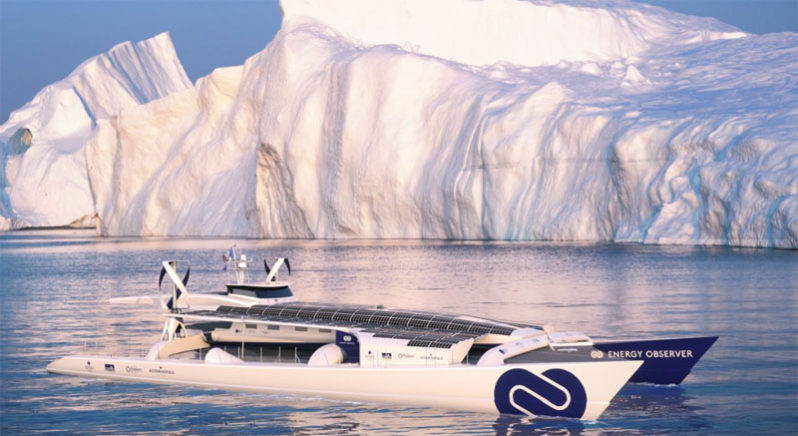
The first self-sufficient boat powered only by clean, emission-free energy will start this spring, a six-year journey around the world during which it will visit 50 countries, as a floating exhibition and clean energy laboratory.
Trump scraps Clean Power Plan: What that means for Earth
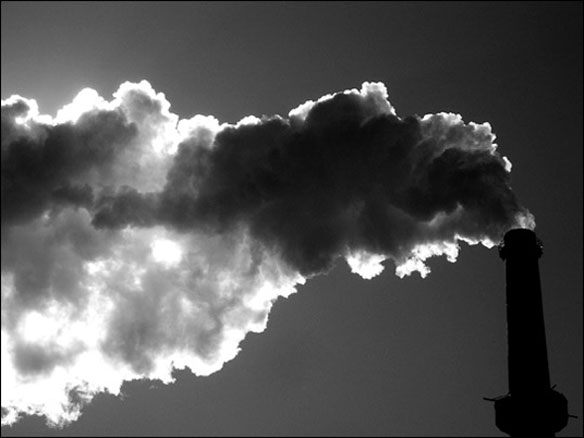
President Trump signed an executive order Tuesday to dismantle the Clean Power Plan. The plan, which President Obama’s administration put into effect in 2015, was designed to cut power plant emissions of carbon dioxide (CO2), a greenhouse gas that is warming the planet. The Clean Power Plan requires that, by 2030, the power sector’s CO2 emissions be brought down to 32 percent below their 2005 levels.
Deep in the Amazon, a Remarkable Beach Experience

Even though it is far removed from the sea in a remote corner of the Amazon jungle, Alter do Chão must rank among the world’s most alluring white-sand beaches.
Disappearing Beaches: Modeling Shoreline Change in Southern California
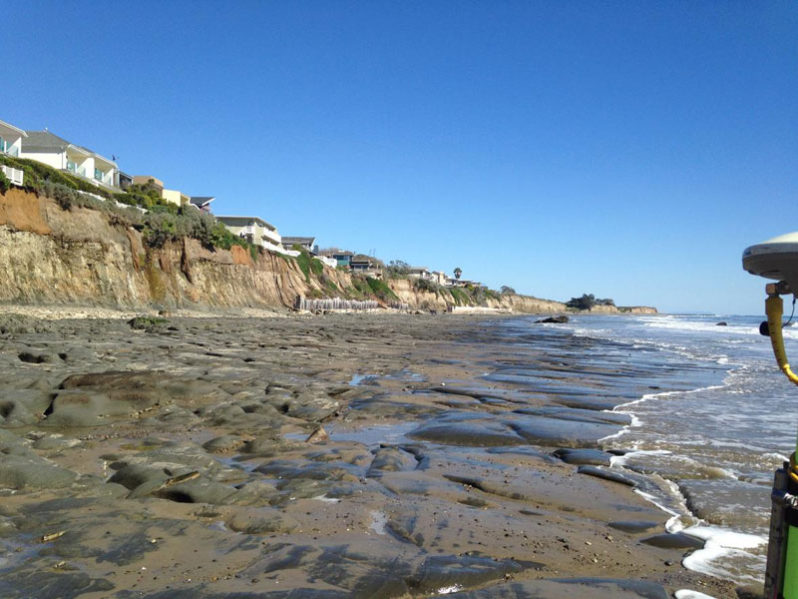
Using a newly-developed computer model, scientists predict that with limited human intervention, 31 to 67 percent of Southern California beaches may become completely eroded (up to existing coastal infrastructure or sea-cliffs) by the year 2100 under scenarios of sea-level rise of one to two meters.