
Japanese slow earthquakes could shed light on tsunami generation
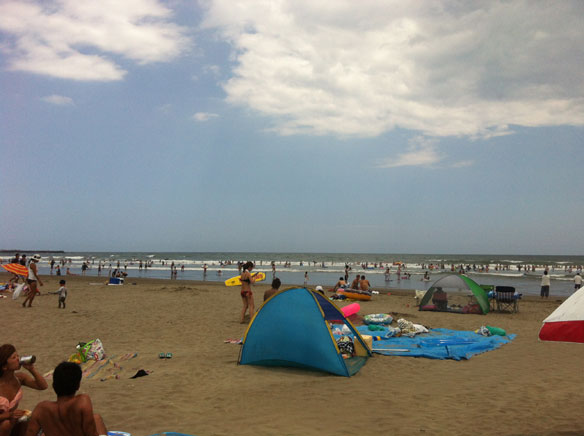
Understanding slow-slip earthquakes in subduction zone areas may help researchers understand large earthquakes and the creation of tsunamis, according to researchers who used data from instruments placed on the seafloor and in boreholes east of the Japanese coast.
The fight against climate change: four cities leading the way in the Trump era
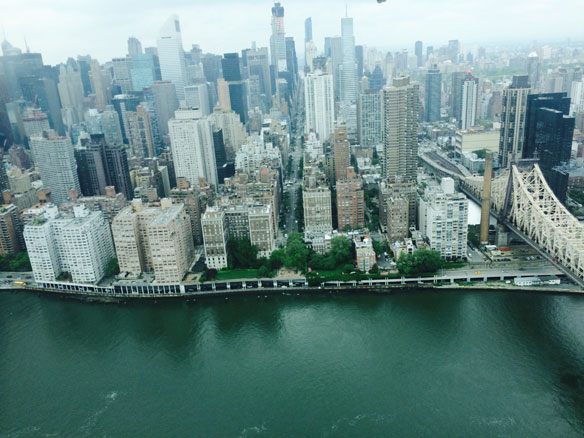
New York City, Houston, Miami and San Francisco have all taken steps to mitigate the risks associated with rising sea levels and global temperatures. Are their successes a blueprint for action at the state and local level?
Ocean Oddities: Pacific’s Plastic Island
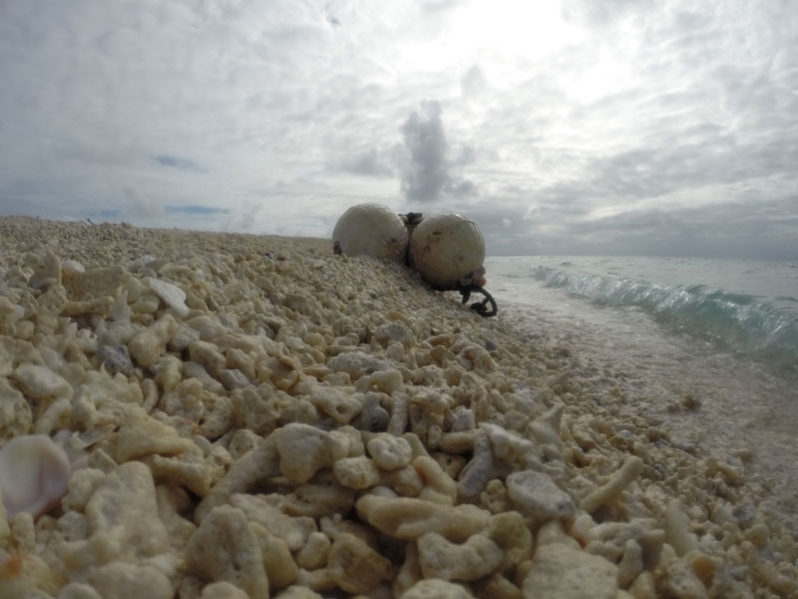
Ever since people invented trash, the sea has served as our favorite dump.
UN Ocean Conference wraps up with actions to restore ocean health, protect marine life
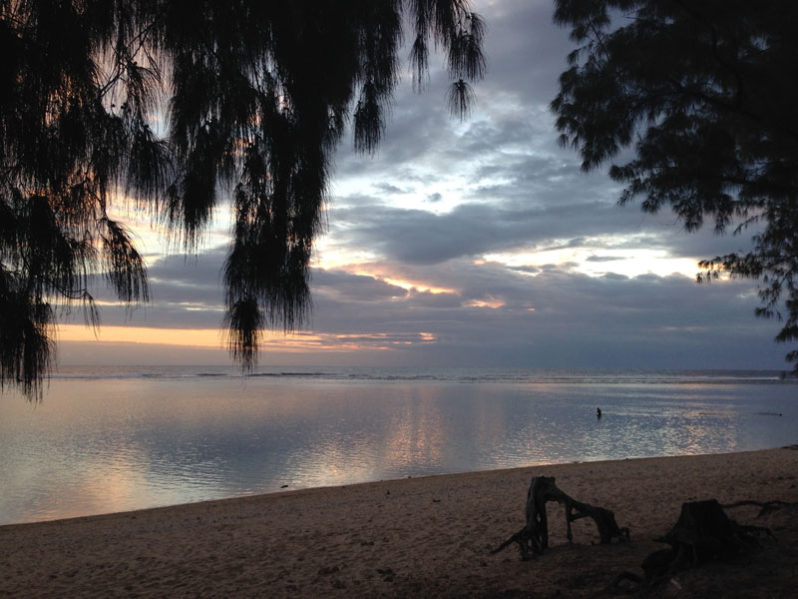
The first-ever United Nations summit on oceans, June 9th, wrapped up with a global agreement to reverse the decline of the ocean’s health, and more than 1,300 pledged actions for protecting the blue.
Surfline Photo Challenge
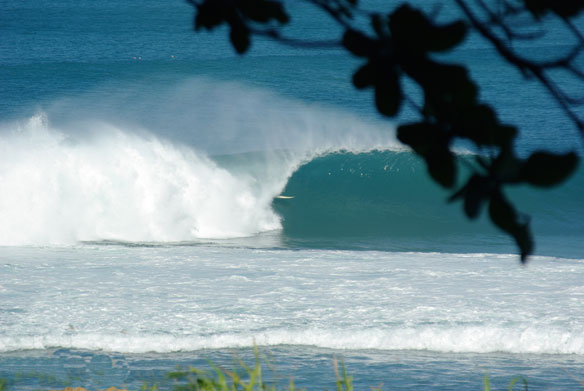
View a selection of Surfline Photo Challenge, May 2017.
World Oceans Day 2017: Our Oceans, Our Future
Today is World Oceans Day—and a global celebration couldn’t be more apt, since the seas unite us all, biologically and economically.
As day of reckoning closes in on Cemex, the city of Marina prepares to attack.
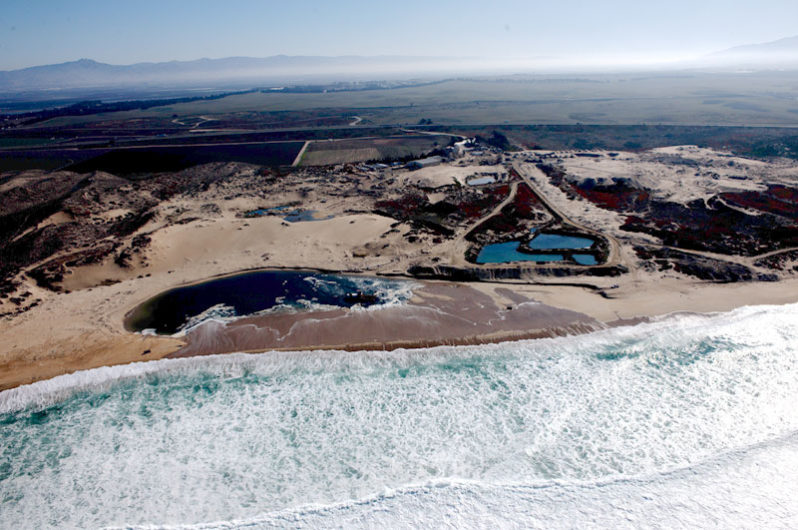
In the fight to shut down the Cemex sand mine in Marina, the lines in the sand have been drawn. Diplomacy, up until now, has not borne fruit, and a looming battle is starting to take shape. On June 6, City Council voted 5-0 to authorize City Attorney Rob Wellington to explore legal options that would argue that the Cemex mine is a “public nuisance” due to its erosion impacts
Can New Reef Design Save Historic Shoreline?
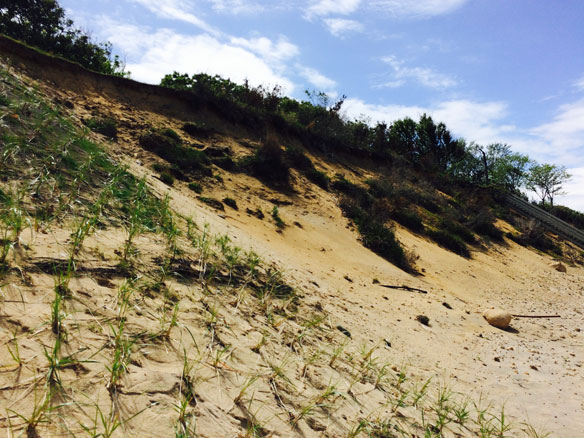
Researchers will put to the test a series of reef platforms that are going to be installed as part of what is, to date, the longest state-permitted living shoreline project in North Carolina.
Motor-boat noise changed the behavior of fish parents
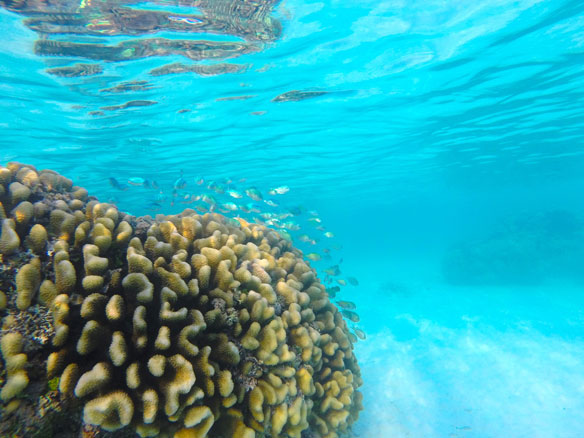
The sound of motorboat engines disturbed coral reef fish so acutely it changed the behavior of parents, and stopped male fish properly guarding their young, feeding and interacting with their offspring, new research has found.