
Japan rocked by ‘aftershock’ from devastating 9.0-magnitude quake that hit in 2011
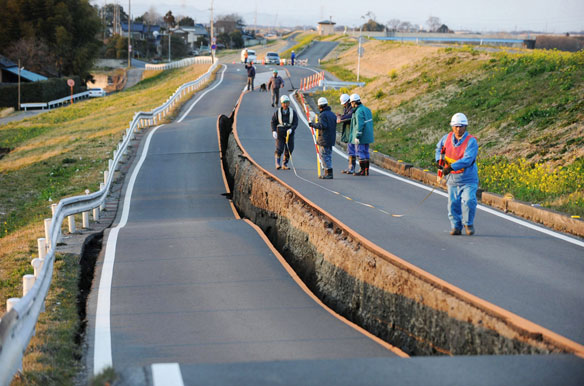
A powerful earthquake that hit Japan on Saturday was an aftershock of the devastating 9.0 magnitude quake that struck the same area almost 10 years ago…
Fukushima water release could change human DNA, Greenpeace warns

Contaminated water that could soon be released into the sea from the Fukushima Daiichi nuclear power plant contains radioactive carbon with the potential to damage human DNA, environmental rights organization Greenpeace has warned.
Mix of contaminants in Fukushima wastewater, risks of ocean dumping
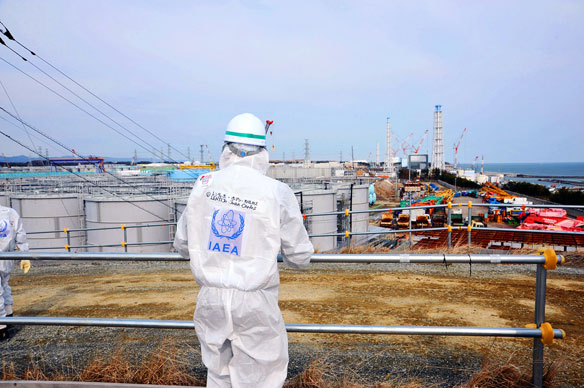
Nearly 10 years after the Tohoku-oki earthquake and tsunami devastated Japan’s Fukushima Dai-ichi Nuclear Power Plant and triggered an unprecedented release radioactivity into the ocean, radiation levels have fallen to safe levels in all but the waters closest to the shuttered power plant.
Fukushima: How the ocean became a dumping ground for radioactive waste

The nuclear disaster at Fukushima sent an unprecedented amount of radiation into the Pacific. But, before then, atomic bomb tests and radioactive waste were contaminating the sea — the effects are still being felt today.
Fukushima: Japan will dump radioactive water into Pacific
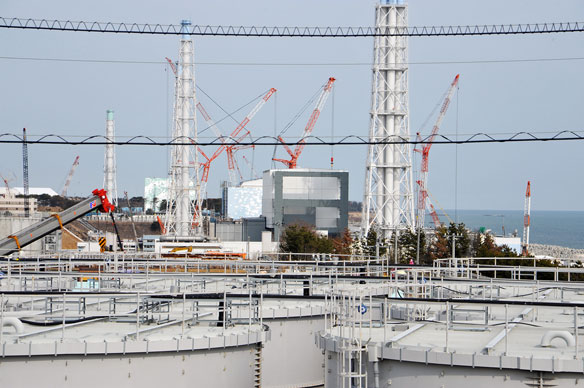
The operator of the ruined Fukushima Daiichi nuclear power plant will have to dump huge quantities of contaminated water from the site directly into the Pacific Ocean, Japan’s environment minister has said – a move that would enrage local fishermen.
Thirty years of unique data reveal what’s really killing coral reefs
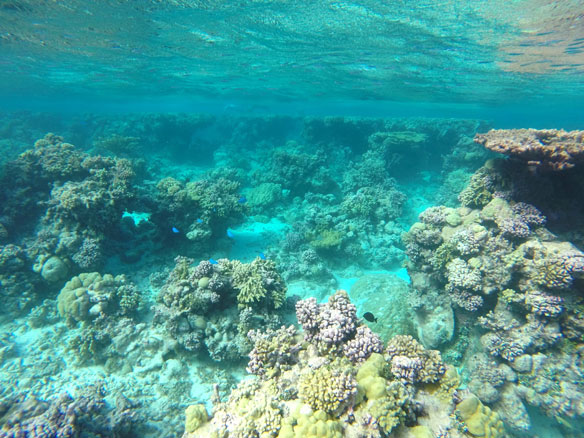
Coral bleaching is not just due to a warming planet, but also a planet that is simultaneously being enriched with reactive nitrogen from sources like improperly treated sewage, and fertilizers.
Preparing for Japan’s Next Tsunami
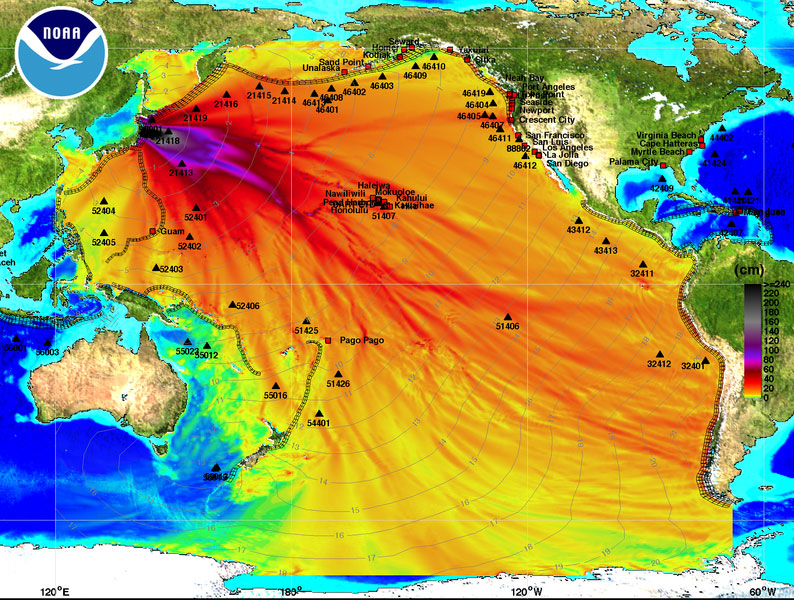
The Pacific plate is one of many possible tsunamigenic quake sources, and scientists believe the Nankai Trough, another subduction zone much closer to the Japanese coast than the source of 3/11, will produce a similar megaquake and tsunami within the next 30 years.
First reliable estimates of highly radioactive cesium-rich microparticles released by Fukushima disaster
Scientists have for the first time been able to estimate the amount of radioactive cesium-rich microparticles released by the disaster at the Fukushima power plant in 2011. This work, which will have significant health and environmental implications, is presented at the Goldschmidt geochemistry conference in Boston.
Fukushima radioactive particle release was significant, says new research
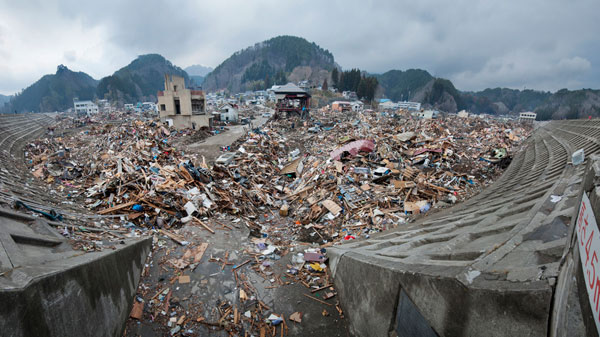
Scientists say there was a significant release of radioactive particles during the Fukushima-Daiichi nuclear accident. The researchers identified the contamination using a new method and say if the particles are inhaled they could pose long-term health risks to humans.