
Where Seas are Rising at Alarming Speed – the Washington Post
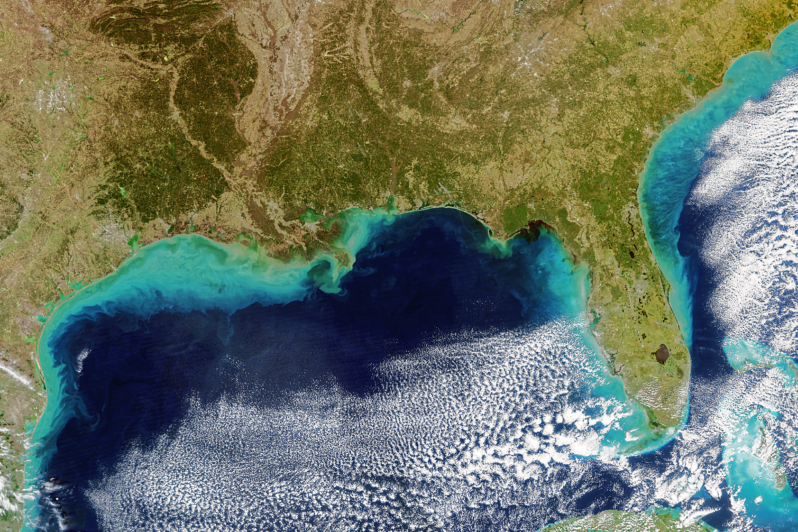
One of the most rapid sea level surges on Earth is besieging the American South, forcing a reckoning for coastal communities across eight U.S. states…At more than a dozen tide gauges spanning from Texas to North Carolina, sea levels are at least 6 inches higher than they were in 2010 — a change similar to what occurred over the previous five decades…
Sweltering Lagos Has 25 Million People and Zero Free Public Beaches – Bloomberg

Nigeria’s commercial capital boasts miles of white sand along the Atlantic Ocean that once teemed with locals looking to beat the heat. So what happened?
Climate change is rewiring fish brains — and probably ours, too – Grist Magazine

Acidifying oceans are leading to sensory loss in fish. Scientists fear people might be next…
A climate Q&A with coastal geologist Gary Griggs – Pacifica Tribune
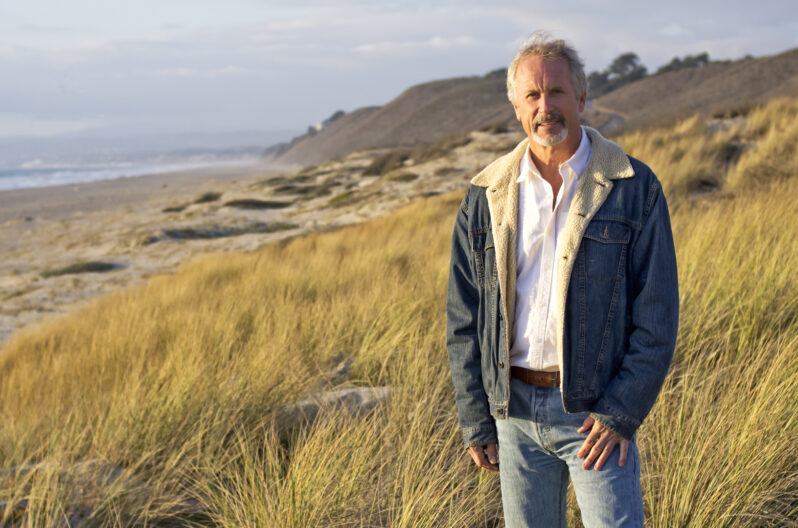
A startling rise in sea-surface temperatures suggests that we may not understand how fast the climate is changing…
Why Is the Sea So Hot? – the New Yorker

A startling rise in sea-surface temperatures suggests that we may not understand how fast the climate is changing…
Hurricanes are intensifying more rapidly – and the most vulnerable communities are hit hardest – the Guardian
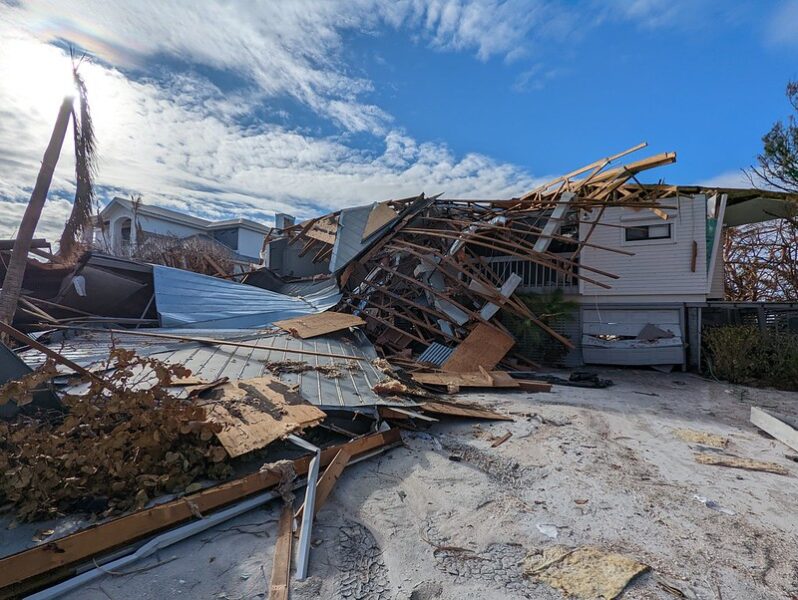
Hurricanes are more frequently escalating quickly, and the places they destroy may be those disadvantaged by racist housing policy…
The Oceans We Knew Are Already Gone – the Atlantic
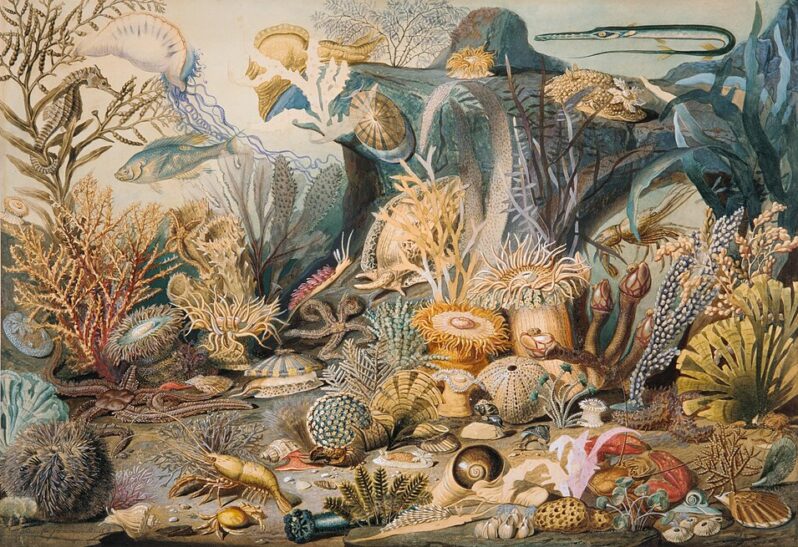
As far as humanity is concerned, the transformation of our seas is “effectively permanent.”
Scientists warn that a crucial ocean current could collapse, altering global weather – the Los Angeles Times
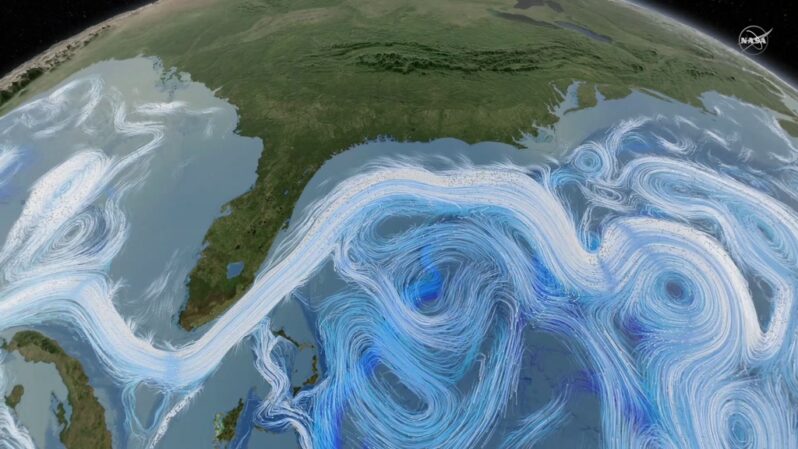
Scientists warn that a crucial ocean current could collapse, altering global weather…The Atlantic Meridional Overturning Circulation, or AMOC, is a system of ocean currents that circulate water in the Atlantic Ocean like a conveyor belt, helping to redistribute heat and regulate global and regional climates. New research, however, warns that the AMOC is weakening under a warming climate, and could potentially suffer a dangerous and abrupt collapse with worldwide consequences…
Decades after the US buried nuclear waste abroad, climate change could unearth it – Grist Magazine
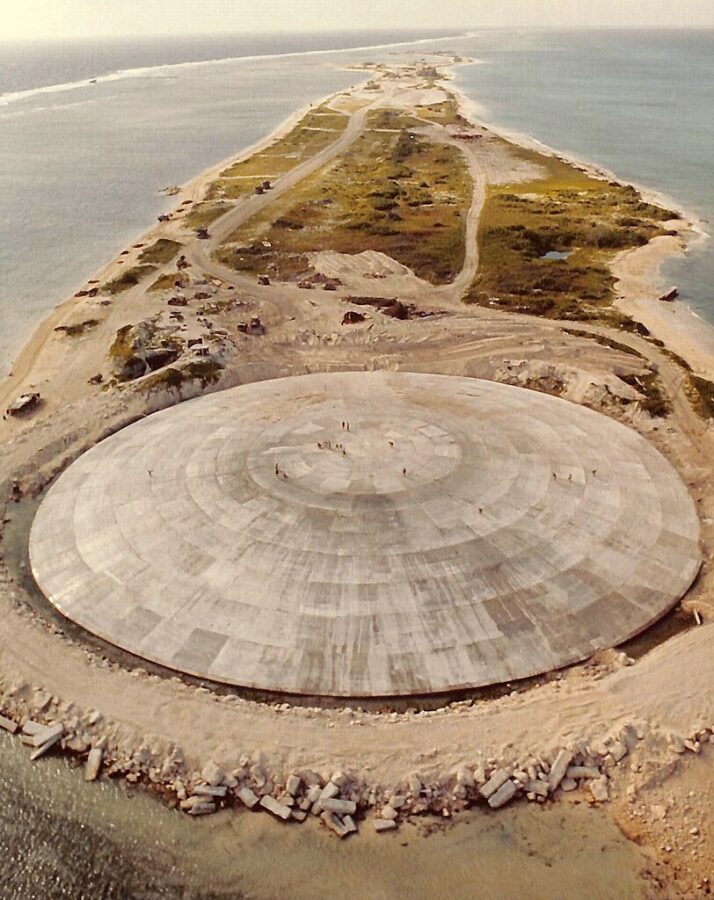
A new report says melting ice sheets and rising seas could disturb waste from U.S. nuclear projects in Greenland and the Marshall Islands…The report summarizes disagreements between Marshall Islands officials and the U.S. Department of Energy regarding the risks posed by U.S. nuclear waste. The GAO recommends that the agency adopt a communications strategy for conveying information about the potential for pollution to the Marshallese people.