
A Carlsbad beach lost most of its sand in less than 2 weeks – SF Gate

At the center of the uncertainty for upcoming beach nourishment projects is the Federal Emergency Management Agency — better known as FEMA — where policy changes, funding delays, and broader federal debates about disaster response are creating unknowns for coastal communities nationwide, including those on the Outer Banks…
Delays & Reforms Raise Questions for Outer Banks Nourishment Efforts – Island Free Press
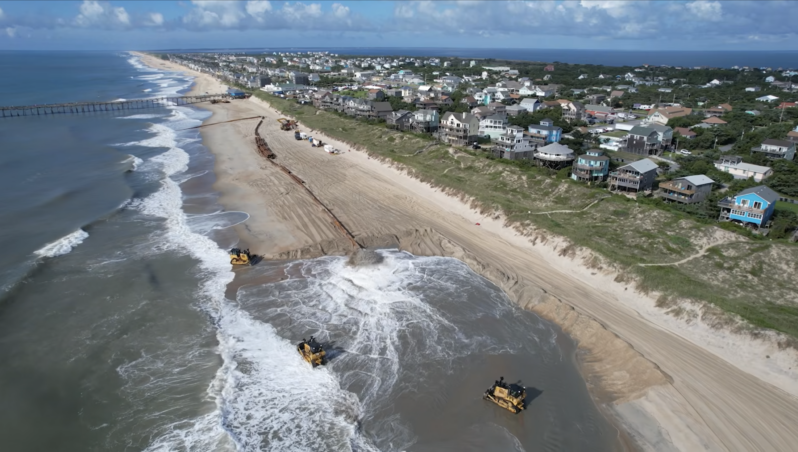
At the center of the uncertainty for upcoming beach nourishment projects is the Federal Emergency Management Agency — better known as FEMA — where policy changes, funding delays, and broader federal debates about disaster response are creating unknowns for coastal communities nationwide, including those on the Outer Banks…
$15M renourishment project underway on Hutchinson Island – CBS 12 News

Another multi-million-dollar project beginning in St. Lucie County…Starting Monday, parts of about 3.3 miles of popular shoreline on Hutchinson Island will face intermittent closures as part of the ‘South St. Lucie County Coastal Storm Risk Management Project’…
‘Sawtooth’ Pinellas beach renourishment could leave some homes at risk – Tampa Bay Times

The county will pump sand outside some homes and businesses, while skipping neighbors who didn’t grant access…
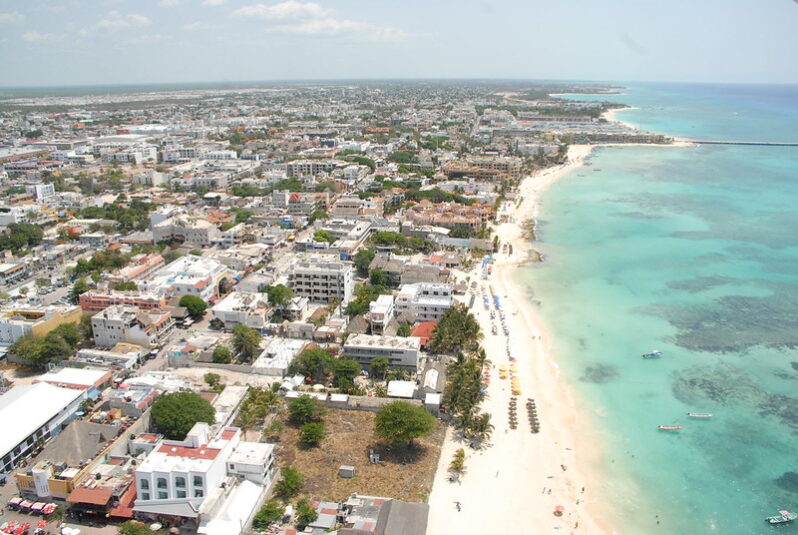
Is the solution to Playa del Carmen’s shrinking coastline simply moving sand around? – Yucatan Magazine
Before becoming San Clemente’s new coastal administrator last year, the beach has always held a nostalgic place in Leslea Meyerhoff’s heart. “Some of my earliest memories are walking the beach in Santa Monica with my grandma,” she said. “I also recall fond times boogie boarding, collecting seashells or just enjoying a stroll at the beach.”..
San Clemente sales tax ballot measure for beach sand is falling short – the Los Angeles Times
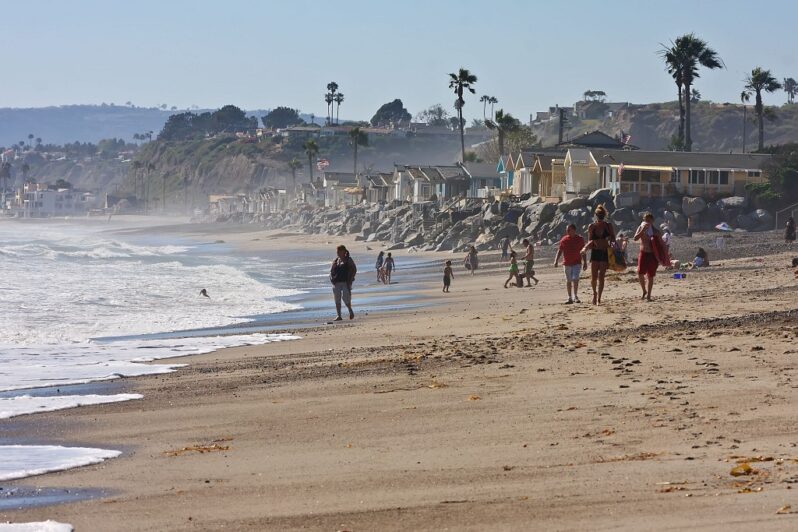
Before becoming San Clemente’s new coastal administrator last year, the beach has always held a nostalgic place in Leslea Meyerhoff’s heart. “Some of my earliest memories are walking the beach in Santa Monica with my grandma,” she said. “I also recall fond times boogie boarding, collecting seashells or just enjoying a stroll at the beach.”..
San Clemente’s ‘sand czar’ looks to turn back the tide of coastal erosion – the Los Angeles Times
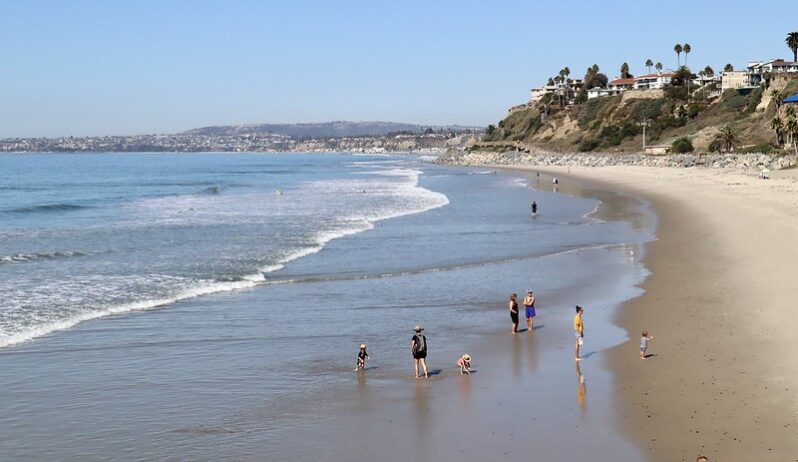
Before becoming San Clemente’s new coastal administrator last year, the beach has always held a nostalgic place in Leslea Meyerhoff’s heart. “Some of my earliest memories are walking the beach in Santa Monica with my grandma,” she said. “I also recall fond times boogie boarding, collecting seashells or just enjoying a stroll at the beach.”..
Beach Nourishment: A Critical Look – Gary Griggs | Journal of Coastal Research
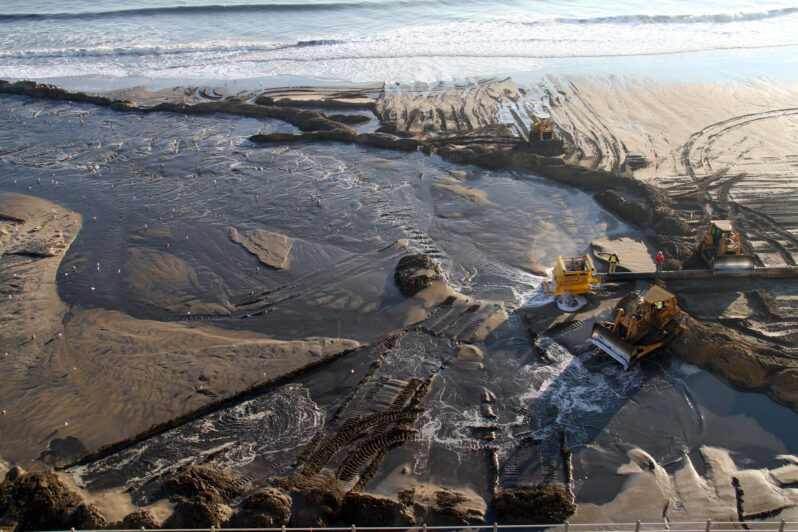
More than $15 billion, mostly federal dollars, have been spent moving sand to the shoreline for both recreational and shoreline protection benefits. Still, whether in New Jersey, New York, North Carolina, Florida, or California, the life span of the sand added artificially to these beaches in many cases has been relatively short and in some instances has been less than a year…
Sand Dollars – CBS News Investigations
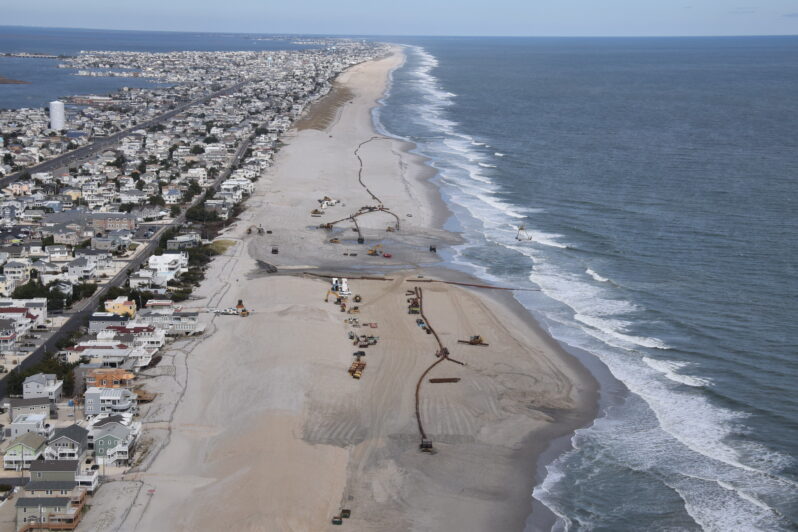
Federal agencies spend millions every year replacing sand on beaches. Some experts say it’s a waste of tax money….