
Sinking Sundarbans: A Photo Gallery by Peter Caton, Greenpeace
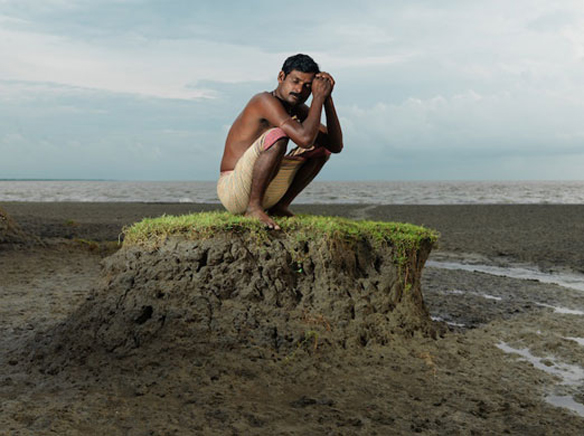
The seas around the islands in the Bay of Bengal that support a unique mangrove ecosystem, are rising faster than anywhere else on Earth, and the lives and livelihoods of more than 4 million residents are under threat from rising waters.
From the East and West Coasts, a Game Plan on Sea Level Rise
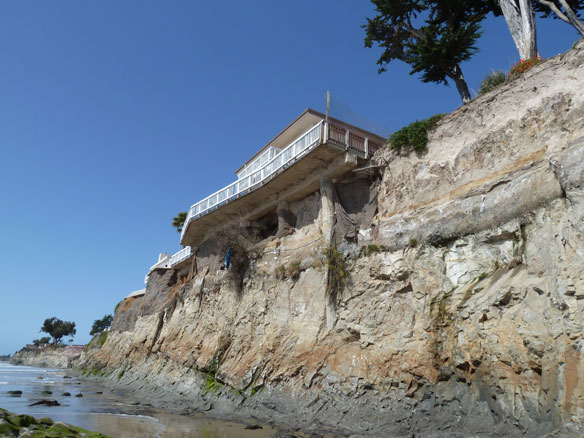
New York State and California are creating blueprints for how governments should plan, and pay for, a wholesale retreat from the shoreline in anticipation of a possible rise in sea level of three or four feet or more by 2100.
Tidal power: Could waves provide 10% of America’s electricity?
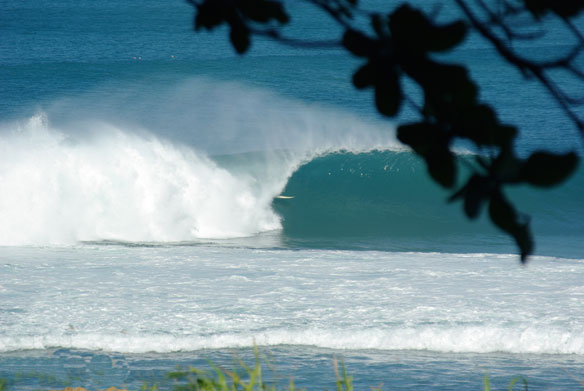
These are coastal resources, and most people live along the coasts. In theory, the U.S. resource is immense. Waves and currents are relatively reliable in some areas, and tides ebb and flood twice a day like clockwork. They thus are more predictable resources than wind or solar power.
As world warms, negotiators give talks another try
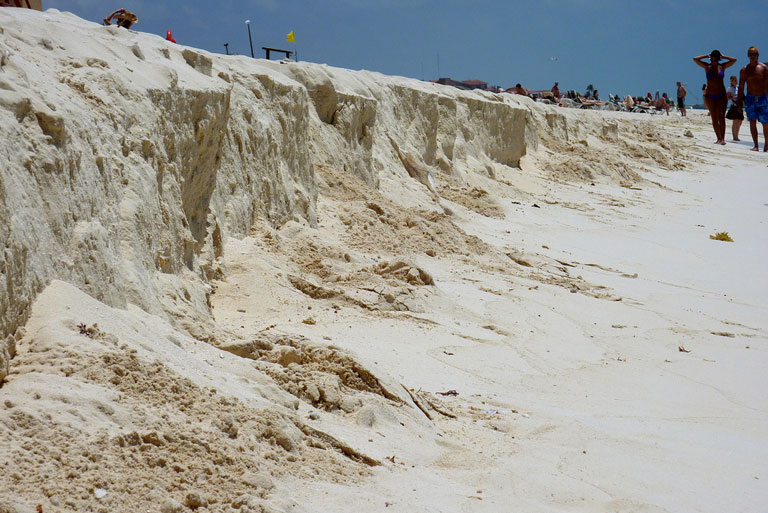
The disappointment of Copenhagen, the failure of the annual U.N. conference to produce a climate agreement last year in the Danish capital, has raised doubts about whether the long-running, 194-nation talks can ever agree on a legally binding treaty for reining in global warming.
Lessons from Deepwater Horizon Oil Spill
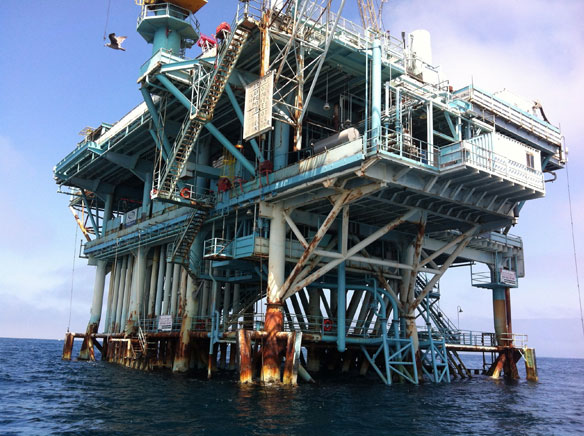
Now that the immediate crisis is over, the accident clearly illustrates the need for continuous oceanographic monitoring of all American coastlines and the need for rapid sharing of information, both of which were in short supply immediately following the oil spill disaster.
The Last of The Sea Nomads
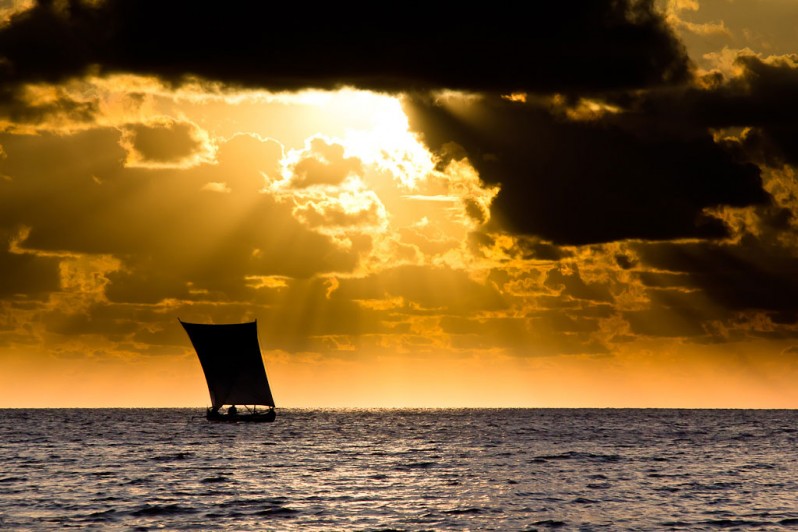
For generations they have lived on the ocean, diving and fishing, and rarely setting foot on land. But now the marine nomads risk destroying the reefs that sustain them. It’s a common story throughout the Coral Triangle.
As Glaciers Melt, Science Seeks Data on Rising Seas
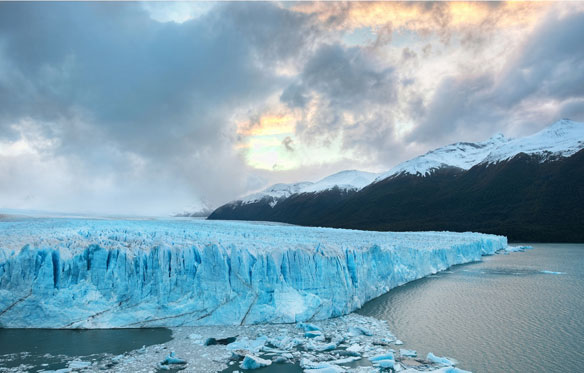
Researchers have recently been startled to see big changes unfold in both Greenland and Antarctica. The question is not whether the earth’s land ice is melting in response to the greenhouse gases people are generating, but whether it will happen much too fast for society to adjust.
Russian Nuclear Power Plants Project
The idea of floating nuclear plant is simple, if quite scary: Outfit a barge with two 35-megawatts reactors, float them to a spot off the coast and run cables to land to distribute power. An FNPP set-up this size could power a city of 200,000.
Kiribati Conference: Voices From the South Pacific – Part II
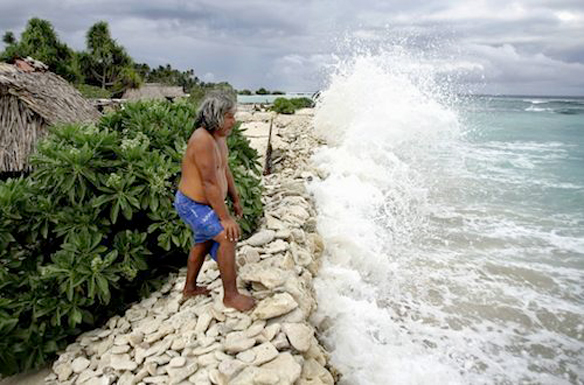
At only four metres above sea level, the small island nation of Kiribati is one of the countries most vulnerable to the effects of climate change and sea level rise. Kiribati’s Tarawa Climate Change Conference (TCCC) ended by giving birth to the Ambo Declaration.