
Melting Ice on Arctic Islands a Major Player in Sea Level Rise
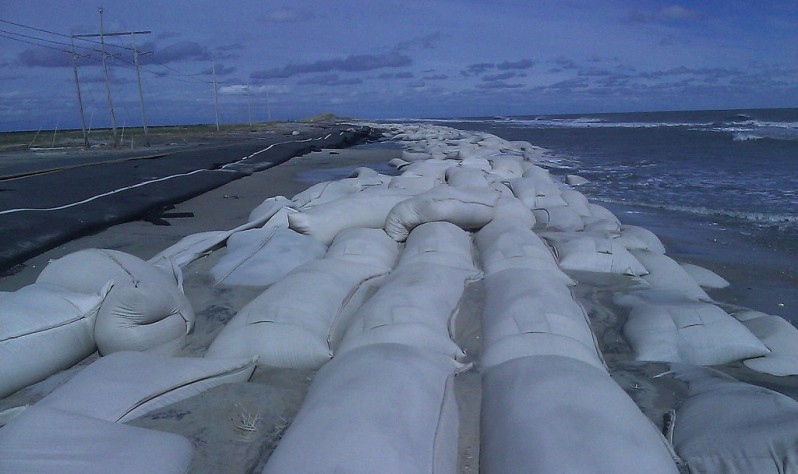
Melting glaciers and ice caps on Canadian Arctic islands play a much greater role in sea level rise than scientists previously thought.
One Year On, Photographer Captures Lingering Impacts of the Gulf Oil Spill
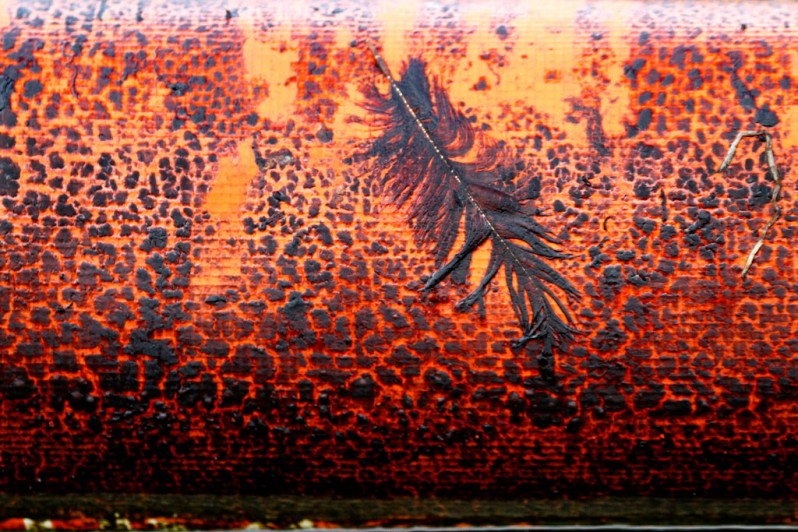
AP photographer Gerald Herbert, a New Orleans native, has been covering the Gulf oil spill ever since BP’s Deepwater Horizon drilling rig exploded. Over the course of the last twelve months, Herbert has been covering the results of that explosion in most poignant and amazing photos.
Summerland Beach’s Oil Seepage Mystery
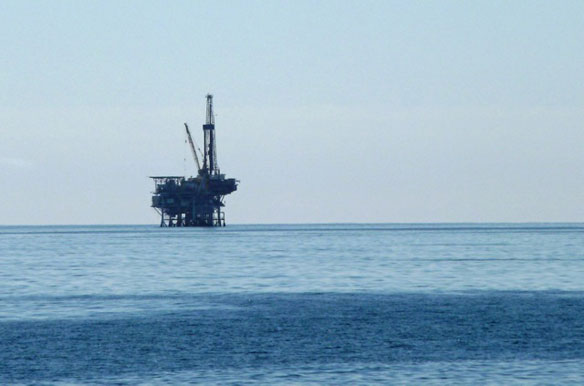
Before it became the quaint coastal antiquing capital of the Californian South Coast that it is today, with a reputation for stunningly scenic and often empty beaches, Summerland was the hub of Santa Barbara’s oceanic oil rush at the start of the 20th century, the beach providing ground zero for a series of piers and primitive oil rigs harvesting crude from hundreds of offshore wells.
US Coast Guard slams Transocean
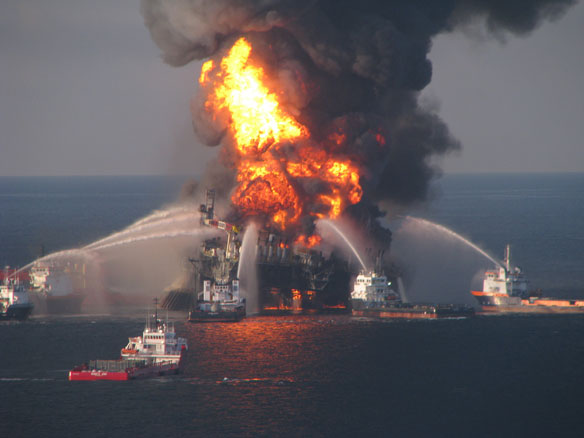
The US Coast Guard slammed drilling rig operator Transocean’s “poor safety culture” in a report Friday on the massive explosion and fire that unleashed the biggest maritime oil spill in history.
Plastic Pollution Present on Easter Island’s Beaches
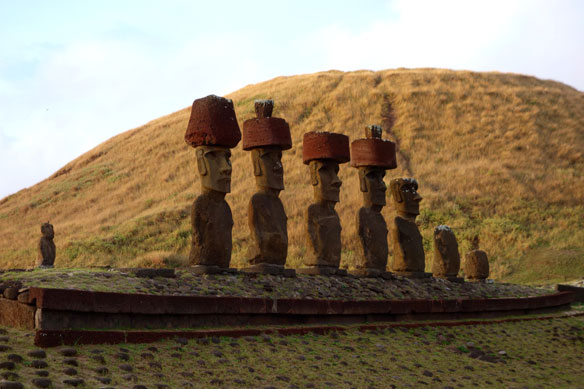
Easter Island, was the end point of a team of journalists’ trip with the 5 Gyres latest project, exploring plastic pollution in the South Pacific ocean. Upon arrival to one of the world’s most isolated pieces of habitable land, it was not long before the effects of human impact were seen: plastic pollution is taking place on Easter Islands: on the beaches.
Record trash haul from New Jersey beaches
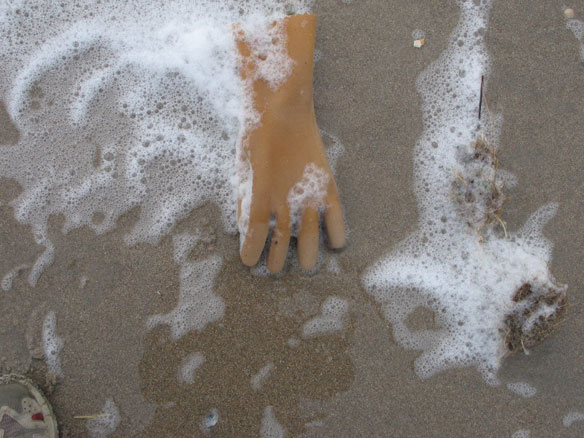
In their Annual Beach Sweep report for 2010, released Tuesday, the environmental organization Clean Ocean Action, paints a grim picture of New Jersey beaches. The report broke down the 475,321 pieces of trash its 8,372 volunteers removed from New Jersey beaches during two statewide clean-up events last year.
Endangered places around the world
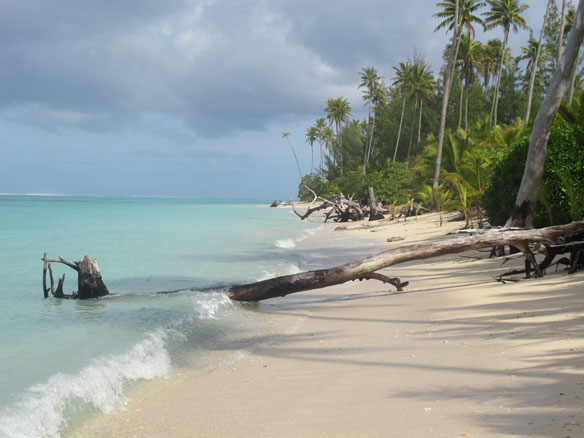
In celebration of Earth Day, Gaute Hogh, publisher of the book 100 Places to Go Before They Disappear, was interviewed. The book features 100 photographs from one hundred different places around the world in risk of disappearing or seriously threatened by climate change.
New Caledonia’s Lagoon: Better Understanding for Better Protection
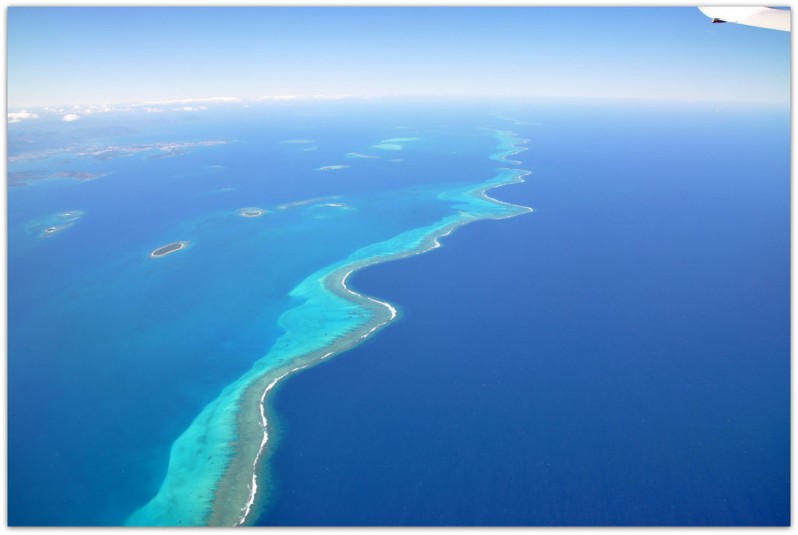
New Caledonia possesses the second largest coral reef lagoon on Earth and harbours an exceptional biodiversity. The island is also the world’s third most important nickel producer. Ore extraction over the 20th Century has in places tripled the input of sediments and accompanying pollutants, such as metals, in the marine environment.
3,200 Gulf wells unplugged, unprotected lie abandoned beneath the Gulf of Mexico
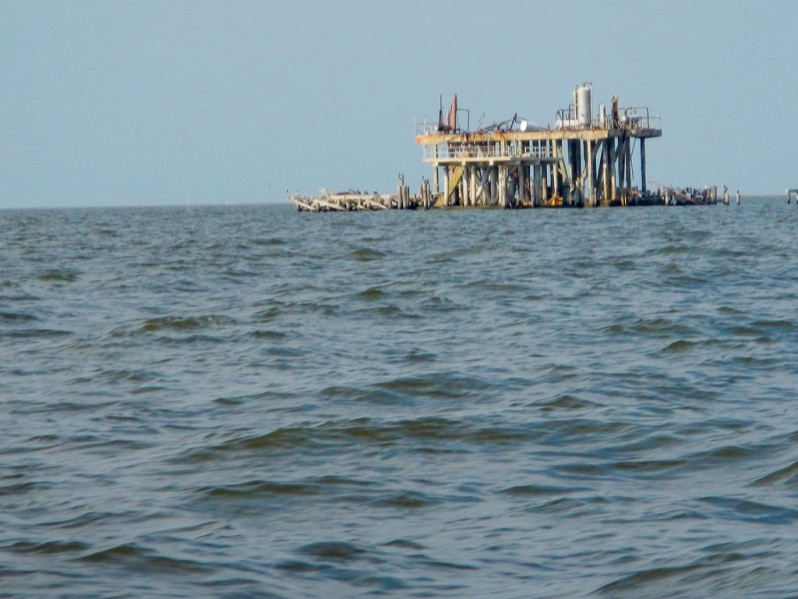
More than 3,200 oil and gas wells classified as active lie abandoned beneath the Gulf of Mexico, with no cement plugging to help prevent leaks that could threaten the same waters fouled by last year’s BP spill. These wells likely pose an even greater environmental threat than the 27,000 wells in the Gulf that have been plugged and classified officially as “permanently abandoned” or “temporarily abandoned.”