
Floods show what lies ahead for sinking Bangkok
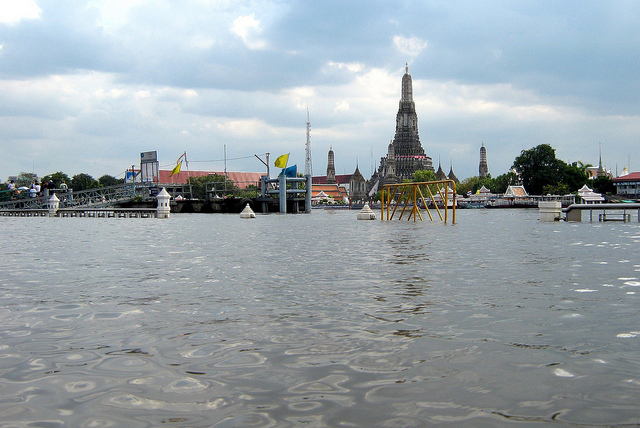
The Thai capital, built on swampland, is slowly sinking and the floods currently besieging Bangkok could be merely a foretaste of a grim future as sea level are forecasted to rise by 19 to 29 centimeters by 2050 as a result of global warming, experts say.
New US offshore oil leasing plan includes Arctic
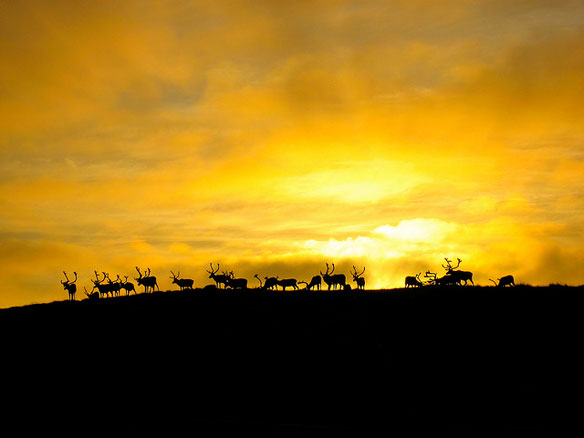
The Obama administration proposed a new plan for offshore oil and gas leases in the Gulf of Mexico and off the coast of Alaska, including the environmentally sensitive Arctic.
Coastal Vegetation Could Blunt Tsunami’s Deadly Impact
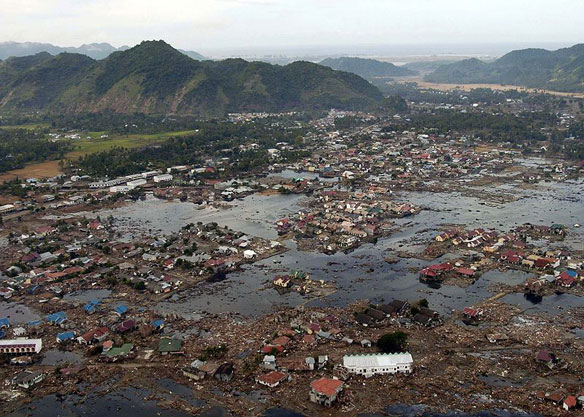
A study estimates that the death toll of the devastating 2004 tsunami along Indonesia’s West Aceh coast would have been smaller had there been enough coastal vegetation to dull the blow and shield the coastal settlements from the shoreline.
Huge Bering Sea Storm Bears Down On Alaska’s West Coast
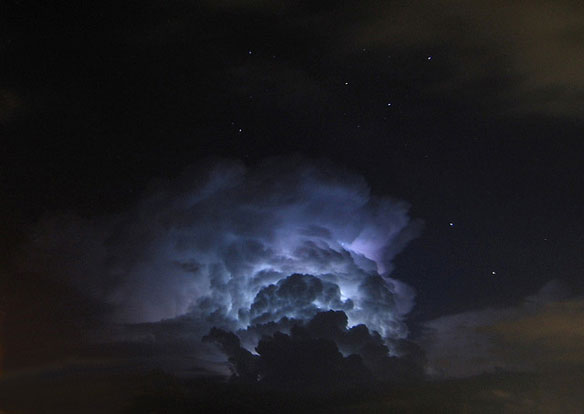
A giant Pacific storm headed toward Alaska’s western coast has the potential to cause major coastal flooding, serious beach erosion, heavy snowfall and widespread damage, and could become “one of the worst on record” for the region, the National Weather Service said in an alert.
Building Schools And Houses Out Of Plastic Trash
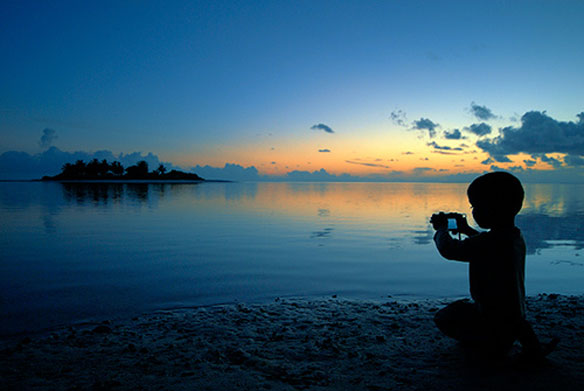
“How can we change the world? It starts with the kids…”
Japan Revives a Sea Barrier That Failed to Hold
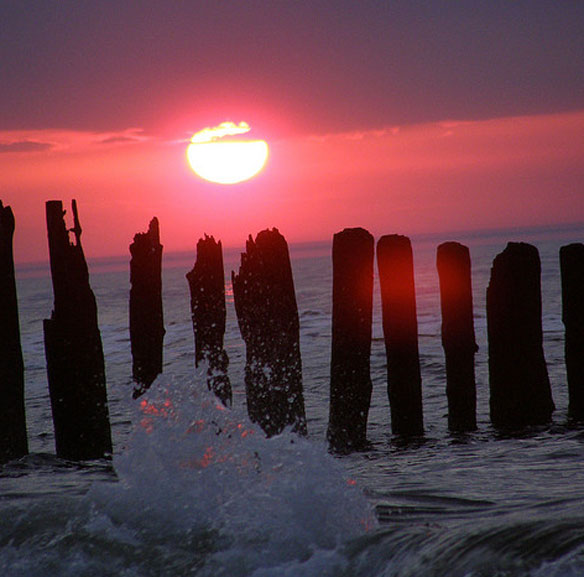
When a giant tsunami hit Japan’s northeast on March 11, the three decades work and nearly $1.6 billion Kamaishi’s great tsunami breakwater, largely crumpled under the first 30-foot-high wave, leaving Kamaishi defenseless. Waves deflected from the breakwater are also strongly suspected of having contributed to the 60-foot waves that engulfed communities north of it…
NOAA declares string of seal deaths on New England Shores an unusual mortality event
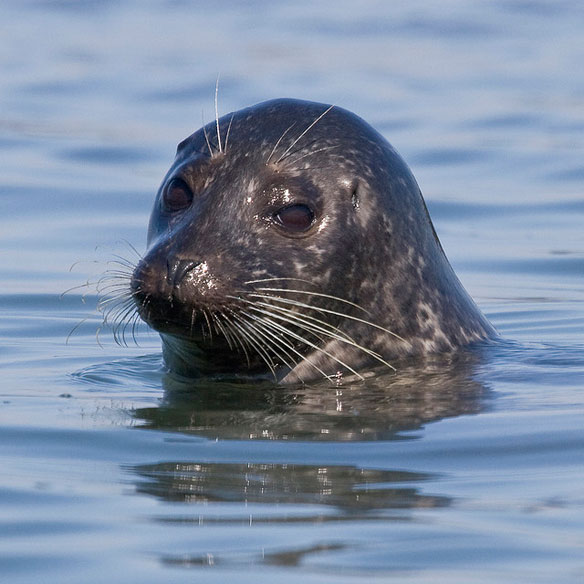
NOAA announced that the high number of seal deaths that have occurred along the New England coast since September has been declared an “Unusual Mortality Event.”
Flash Forward 100 Years: Climate Change Scenarios in California’s Bay-Delta
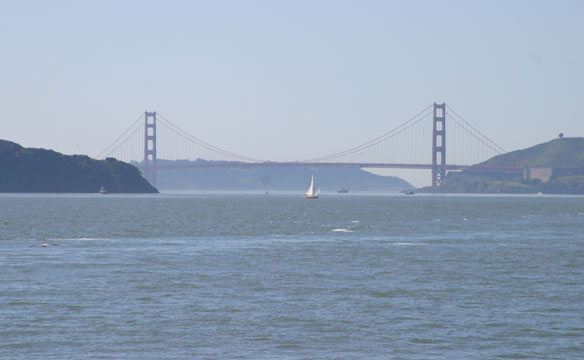
Scientists investigated how California’s interconnected San Francisco Bay and Sacramento-San Joaquin Delta (the Bay-Delta system) is expected to change from 2010 to 2099 in response to both fast and moderate climate warming scenarios. Results indicate that this area will feel impacts of global climate change in the next century with shifts in its biological communities, rising sea level, and modified water supplies.
Decline in Dead Zones: Efforts to Heal Chesapeake Bay Are Working

Although climatic factors and sea level rise are influencing hypoxia, efforts to reduce the flow of fertilizers, animal waste and other pollutants into the Chesapeake Bay, appear to be giving a boost to the bay’s health, a new study that analyzed 60 years of water quality data has concluded.