
Nevis Embarks on Geothermal Energy Journey
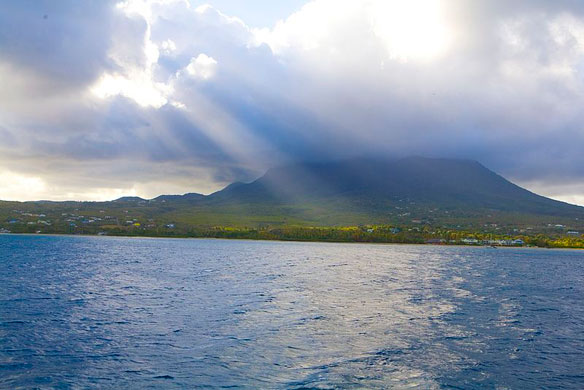
The tiny island of Nevis in the northern region of the Lesser Antilles is one of the few remaining unspoiled places in the Caribbean. It is now seeking to become the greenest, joining a growing list of Caribbean countries pursuing clean geothermal power.
Mediterranean Sea Was Once a Mile-High Salt Field
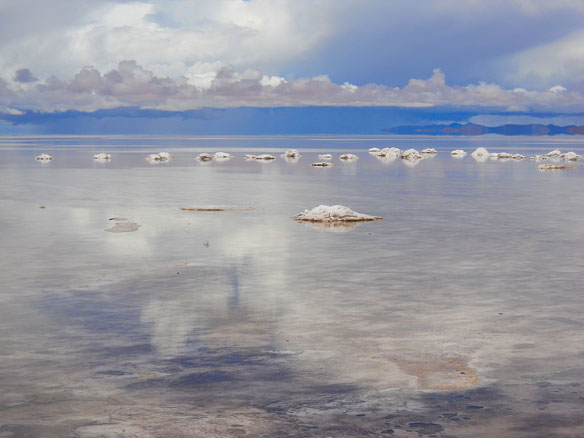
About 6 million years ago, a mile-high field of salt formed across the entire Mediterranean seafloor, sucking up 6 percent of the oceans’ salt.
Saving Fiji’s Coral Reefs Linked to Forest Conservation Upstream
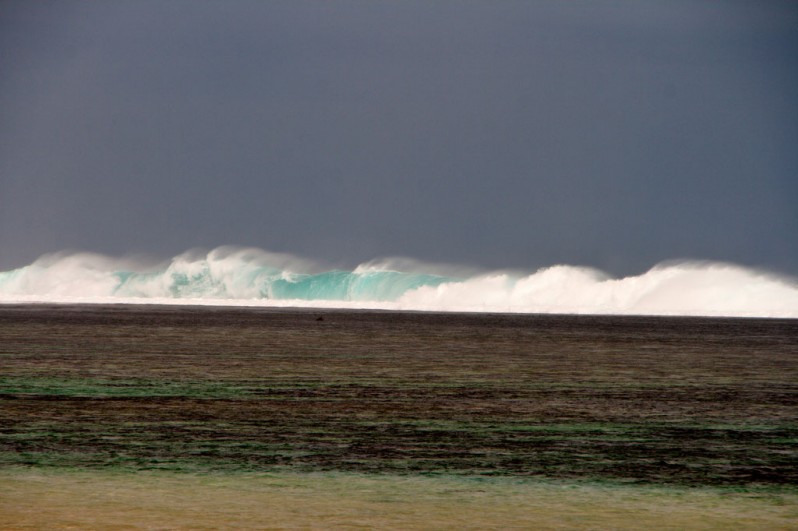
The health of coral reefs offshore depend on the protection of forests near the sea, according to a new study by the Wildlife Conservation Society that outlines the importance of terrestrial protected areas to coastal biodiversity.
Ozone’s Long Path to Recovery
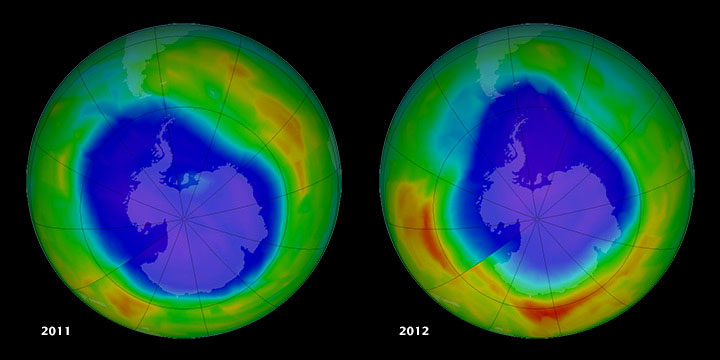
The holes that formed in the ozone layer over Antarctica in 2011 and 2012 are a study in contrasts. The 2011 hole ranked among the ten largest recorded since the 1980s, while the 2012 hole was the second smallest. Why were they so different? Is it a sign that stratospheric ozone is recovering?
Study Links BP Oil Spill To Dolphin Deaths
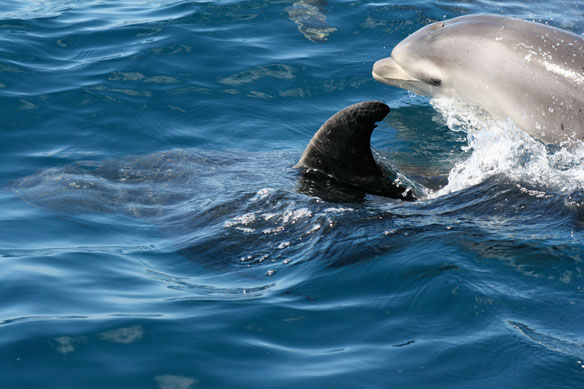
US government scientists have for the first time connected the BP oil disaster to dolphin deaths in the Gulf of Mexico, in a study finding direct evidence of toxic exposure.
National Assessment of Shoreline Change: Historical Shoreline Change Along the Pacific Northwest Coast
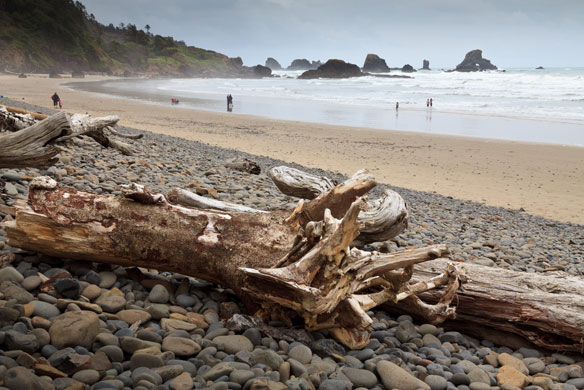
Beach erosion is a chronic problem along most open ocean shores. As coastal populations continue to increase and infrastructure is threatened by erosion, there is increased demand for accurate information regarding past and present trends and rates of shoreline movement.
Coastal Erosion Sparks ‘Sand Wars’ In New England
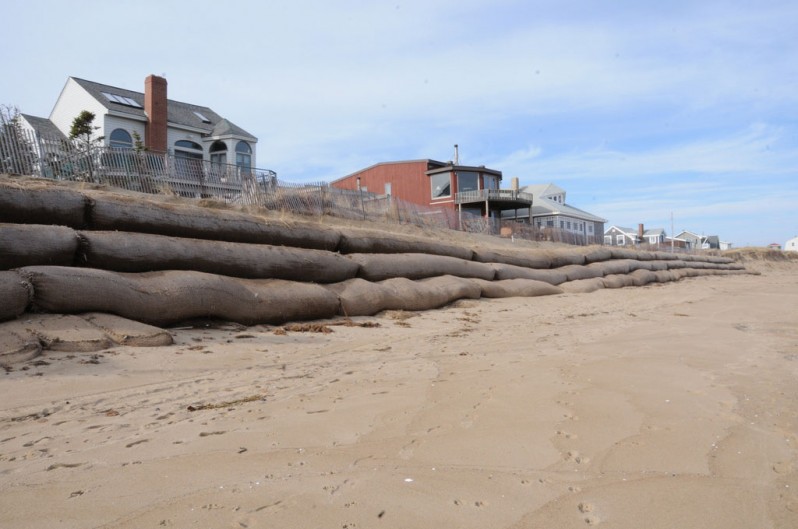
It’s the time of year our neighbors who live near the ocean fear the most. It’s the winter when storms pound our coast and steal tons of sand from our beaches. And the bigger problem is that available beach sand is becoming hard to find.
Decade of Fire Island Research Available to Help Understand Future Coastal Changes
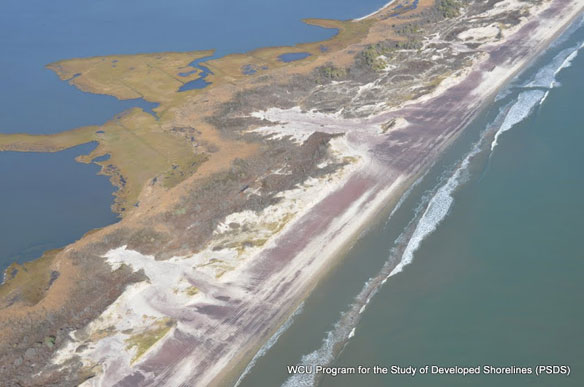
In addition to understanding the impacts of the storm, USGS scientists are integrating analyses of short- and long-term coastal change to better understand what factors affect coastal shorelines and how geologic controls, sea-level rise and human activities contribute to their vulnerability. Results of the research at Fire Island are applicable to other barrier systems.
4 Degree Temperature Rise Will End Vegetation Carbon Sink
New research suggests that a temperature increase of 4 degrees is likely to “saturate” areas of dense vegetation with carbon, preventing plants from helping to balance CO2 escalation, and consequently accelerating climate change.