
Illegal Sand Mining Unabated at Riverbeds, Karnataka State, India
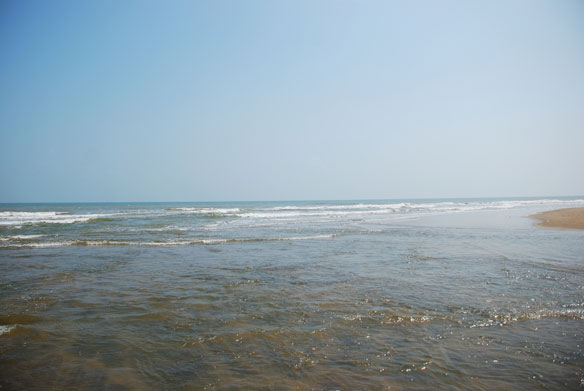
The menace of illegal sand mining continues to ravage the Cauvery river and its four tributaries, posing a serious threat to the environment. Most of this sand, extracted from riverbeds, feeds the construction industry in Bangalore. This goes on in defiance of the ban imposed.
In The Caribbean, Push to Create No-Take Marine Reserves
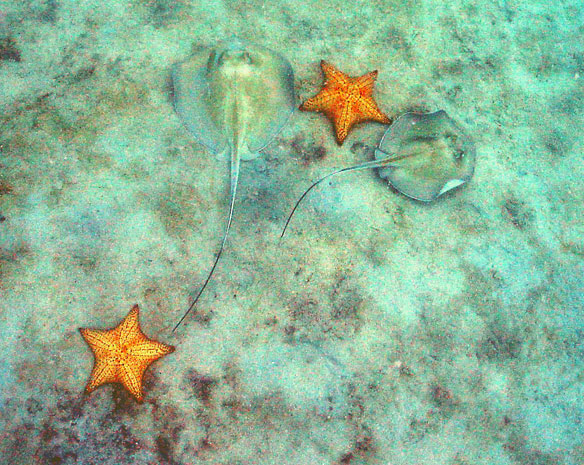
Across the Caribbean, governments and fishing communities are beginning to use such “no-take” zones to help rebuild severely depleted fish stocks and make coastal ecosystems more resilient to a warming planet and acidifying oceans.
In Mekong Delta, Rice Boom Has Steep Environmental Cost
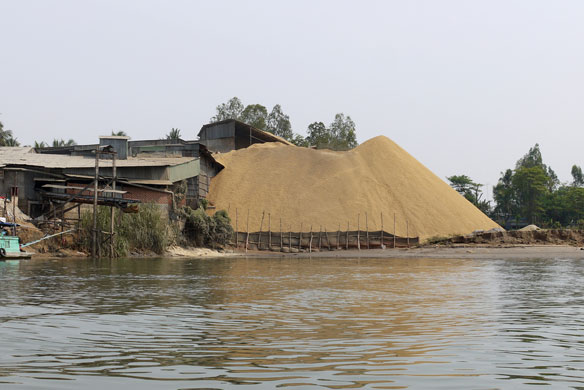
Vietnam has become one of the world’s leading rice producers, thanks to the construction of an elaborate network of dikes and irrigation canals. But these extensive infrastructure projects across the Mekong Delta and along the country’s South China Sea coastline, has disrupted the river delta’s complex ecological systems.
Climate Change Causing Energy Supply Disruptions; Report

Climate change and extreme weather already are causing disruptions in the U.S. energy supply that are likely to worsen as more intense storms, higher temperatures and more frequent droughts occur, the government says in a new report
Climate Change Takes Centre Stage in U.S.-China Talks
The United States and China have agreed on a suite of potentially far-reaching initiatives aimed at cutting greenhouse gas emissions in the world’s two largest economies and largest polluters.
New Approach to Measuring Coral Growth
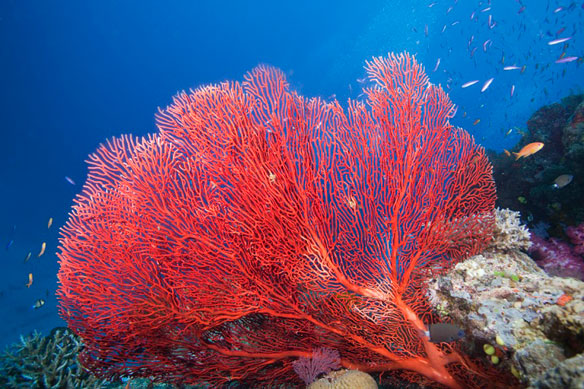
A new more sensitive weight-based approach for monitoring coral growth in the wild has been developed by U.S. Geological Survey researchers leading to more definitive answers about the status of coral reefs.
Iceland Sea in Bloom
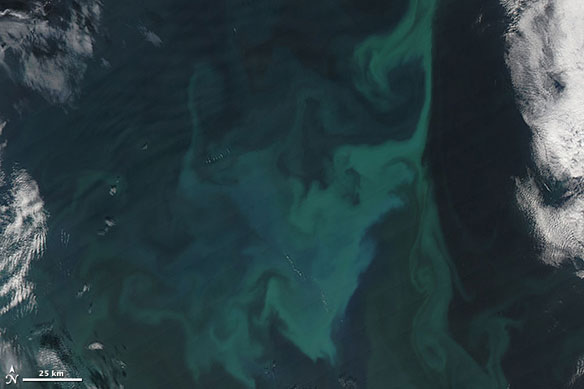
The waters off Iceland rank among the world’s most productive fisheries. The reason for the abundance is an ample supply of phytoplankton, the base of the marine food chain. Like any plant, microscopic phytoplankton need sunlight and nutrients to survive. Iceland’s coastal waters offer both during the long days of summer.
Pakistan’s Coast And Encroaching Seas
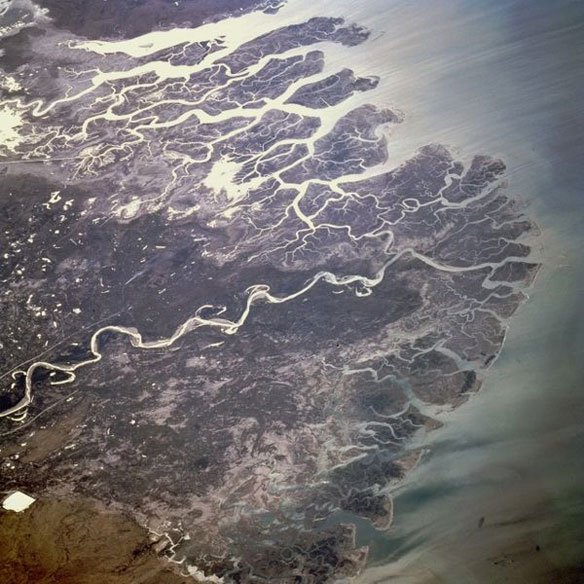
Encroaching seas are leaving farmland increasingly saline and water-logged, and leading to a decline in fresh water fish stocks. These trends are being studied by the World Wide Fund for Nature Pakistan (WWF-P) which is in the middle of a five-year project to build climate change resistance on Pakistan’s coastline, where communities are vulnerable to cyclones, rising sea levels and storm surges.
Anthropocene Period Would Recognize Humanity’s Impact on Earth

The Anthropocene is the name of a proposed new geological time period that may soon enter the official Geologic Time Scale. The Anthropocene is defined by the human influence on Earth, where we have become a geological force shaping the global landscape and evolution of our planet.