
Why Most People Don’t Learn from Natural Disasters
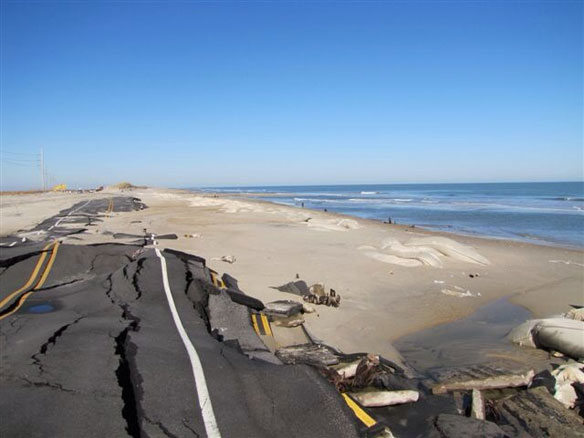
As the population grows, becomes more urbanized and builds infrastructure in hazardous areas like the coast, natural hazards combined with a lack of preparation pose an increasing threat. A panel of experts, recently speaking at a science policy conference of the American Geophysical Union (AGU), called for greater resilience in facing such hazards.
Hurricanes Likely to Get Stronger and More Frequent
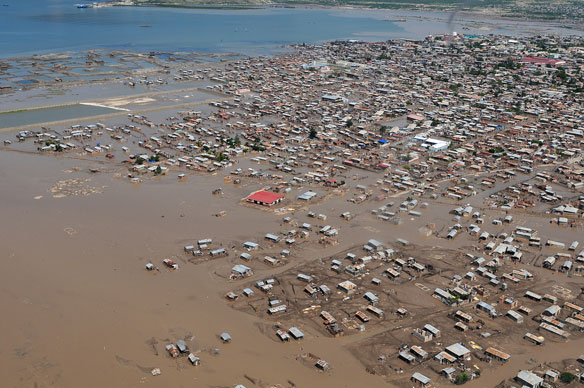
Hurricanes are Mother Nature’s largest and most destructive storms. Fed by warm ocean waters and moist atmospheric conditions, about 90 such storms, also known as tropical cyclones, form worldwide each year. With the population of coastal areas growing daily and sea level on the rise, how these monster storms may change as the climate continues to warm is an increasingly urgent question facing climate scientists, insurance companies, and public officials.
Litterati: A Global Digital Landfill of Instagrammed Trash
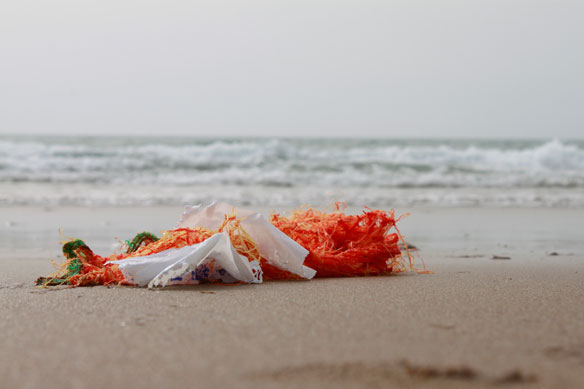
By combining technology, social awareness and art, the Litterati is tackling this ever-escalating problem one piece of litter at a time. A photographic view of pollution omnipresence.
Crews Work to Seal Leaking Oil and Gas Well off Louisiana Coast
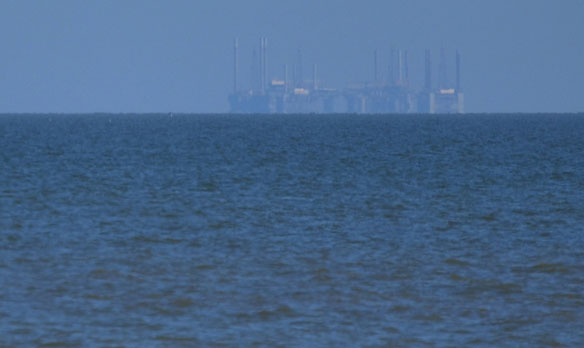
Crews worked Wednesday to seal an old oil and gas well off the Louisiana coast that began leaking during work to plug it permanently.
Smoke Engulfs Strait of Malacca and Singapore: Cause Becomes More Complex
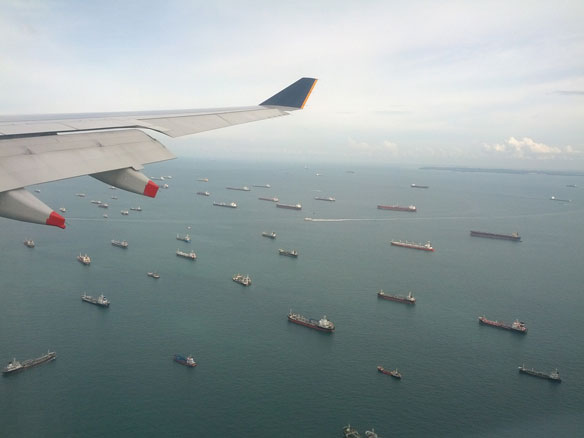
The fire-haze episode straddling the Strait of Malacca in June 2013 has reignited a decades-long debate about responsibility.
Scientists Image Vast Subglacial Water System
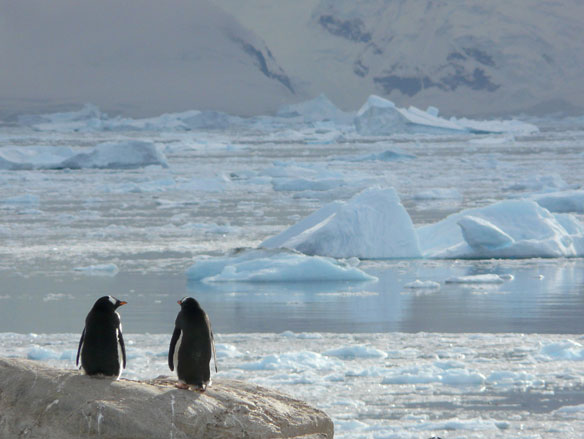
In a development that will help predict potential sea level rise from the Antarctic ice sheet, scientists have used an innovation in radar analysis to accurately image the vast subglacial water system under West Antarctica’s Thwaites Glacier. On its own, Thwaites contains enough fresh water to raise oceans by about a meter.
Coastal Communities Vulnerable To Next Big Storm

Dunes along much of the mid-Atlantic coast are vulnerable to extreme erosion in a Category 1 hurricane, a U.S. Geological Survey report says.
Britain Opens World’s Largest Offshore Wind Farm
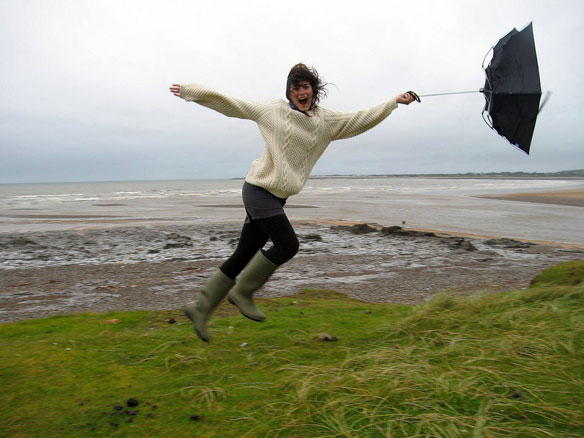
The world’s largest offshore wind farm, which can generate enough electricity for half a million homes, was officially opened off Britain’s south-east coast on Thursday.
A Fresh View of Europe’s New Arrival
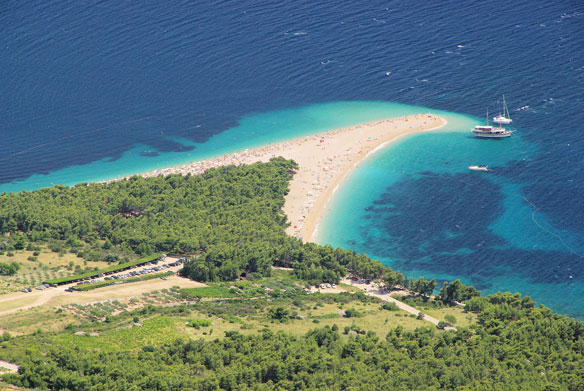
Croatia joined the European Union on July 1st, becoming the 28th member, but this Adriatic nation has been tempting tourists to its shores for years. Despite its booming popularity and bewitching coastline, Croatia remains in places quaintly underdeveloped.