
King Tides: What Explains High Water Threatening Global Coasts?
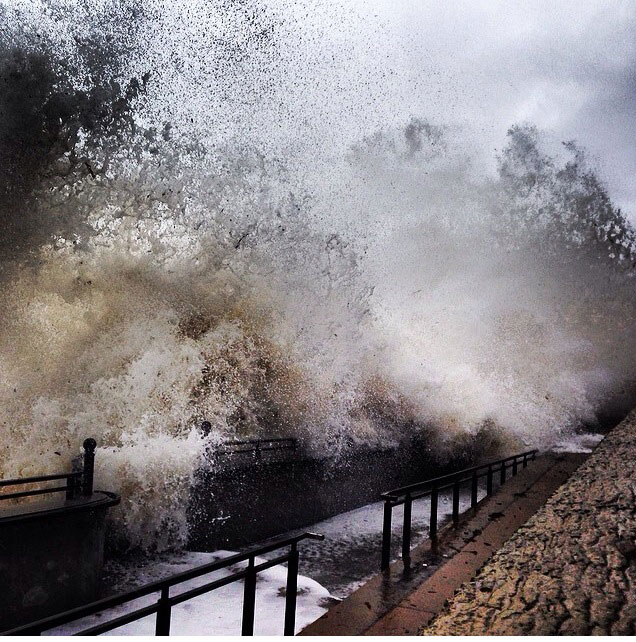
Last month, coastlines saw extreme high and low tides known as king tides, which are caused by a chance alignment of the moon, Earth, and the sun. Now the tides are back…
Scientists Train the Next Generation on Oil Spill Research
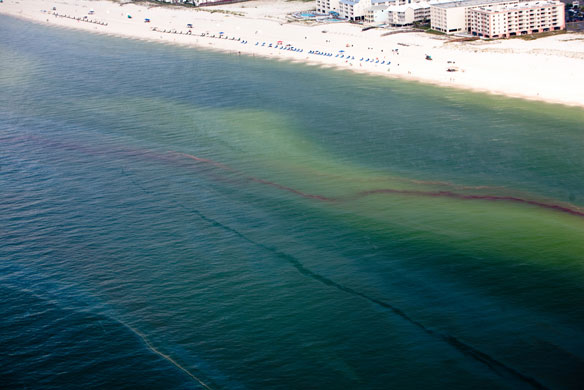
As part of on-going research nearly four years after the Deepwater Horizon oil spill, scientists from the WHOI teamed up with a group of high school students in Florida to collect remnants of oil from Gulf Coast beaches.
Sand Wars: Environment Award 2014 Winner At The 11th Annual San Francisco International Ocean Film Festival
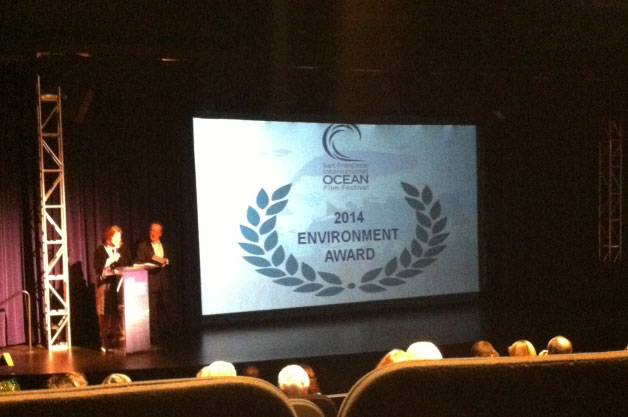
The San Francisco International Ocean Film Festival has announced the 10 awards winners of its 11th Annual Festival, and conferred the Environment Award to Denis Delestrac Documentary Film: Sand Wars.
Warm Rivers Play Role in Arctic Sea Ice Melt
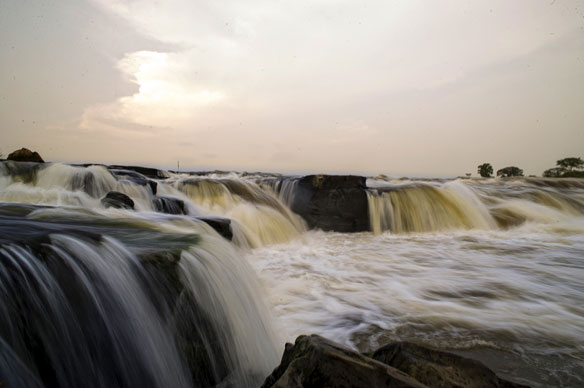
The heat from warm river waters draining into the Arctic Ocean is contributing to the melting of Arctic sea ice each summer, a new NASA study finds.
Sea-level Rise Threatens UNESCO World Heritage Sites
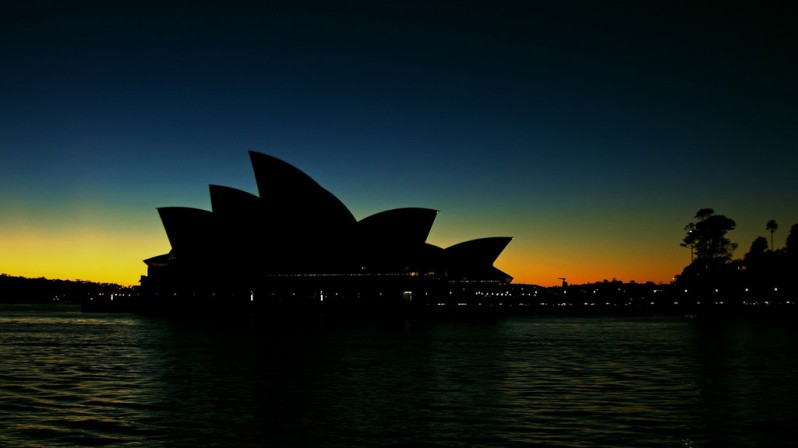
Some of the world’s most recognizable and important landmarks could be lost to rising sea-levels if current global warming trends are maintained over the next two millennia.
Human Activity Influences Beach Bacterial Diversity

Human activity influences ocean beach bacterial communities, and bacterial diversity may indicate greater ecological health and resiliency to sewage contamination. Beaches all contain bacteria, but some bacteria are usually from sewage and may contaminate the water, posing a public health risk.
Computer Model to Help Managers with Renourishment Decisions?
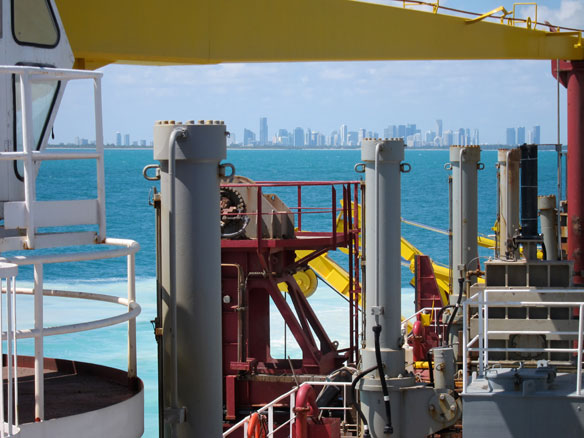
Since the first project of its kind in the U.S. at Coney Island, N.Y., in 1922, coastal managers have used beach nourishment – essentially importing sand to replace sediment lost through storms or erosion – to restore damaged beaches, but it is laborious and expensive.
Life on Mekong Faces Threats As Major Dams Begin to Rise
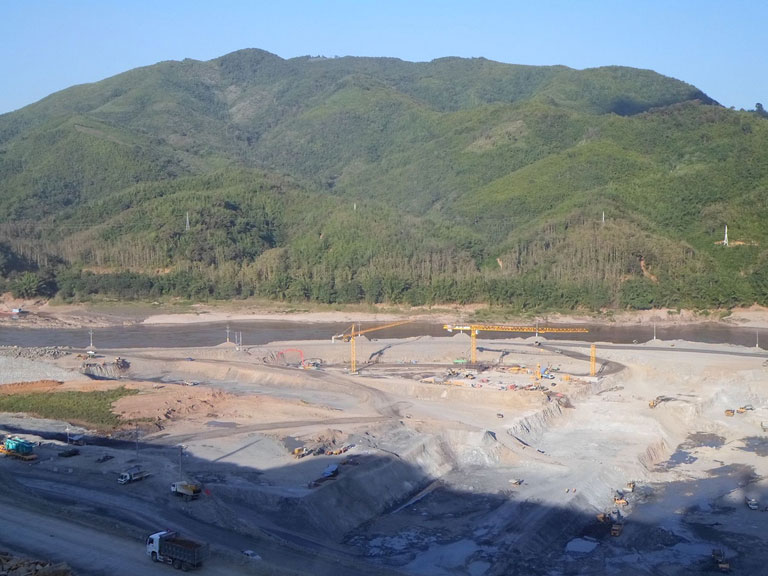
With a massive dam under construction in Laos and other dams on the way, the Mekong River is facing a wave of hydroelectric projects that could profoundly alter the river’s ecology.
Southern Patagonia Ice Field
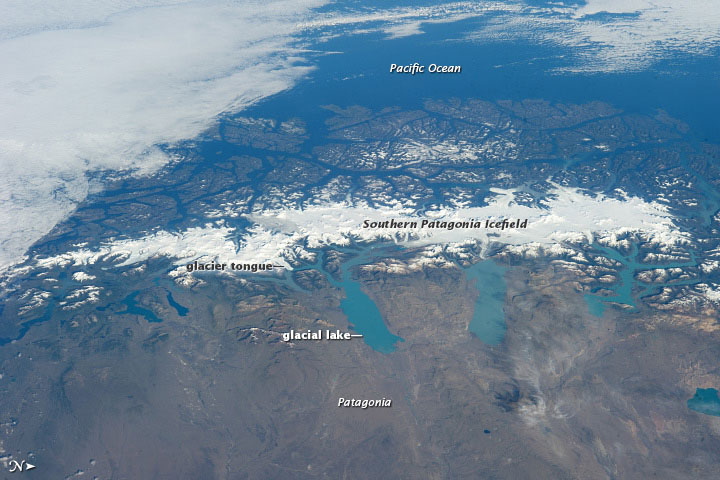
With an area of 13,000 square kilometers (5,000 square miles), the Southern Patagonia Ice Field is the largest temperate ice sheet in the Southern Hemisphere. This grand panorama shows that many glacier tongues showed significant annual “retreat” of their ice fronts, a familiar signal of climate change.