
NASA’s New Carbon Counter Collects Its First Data
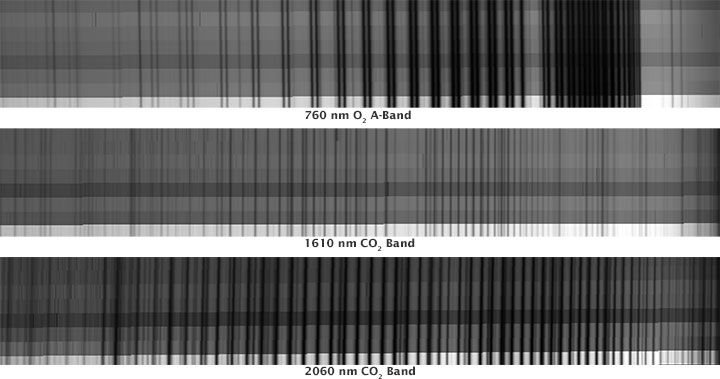
As NASA’s first spacecraft dedicated to studying atmospheric carbon dioxide, OCO-2 will produce the most detailed picture to date of the manmade and natural sources of carbon dioxide, as well as their natural “sinks”—places on Earth’s surface.
Climate Effects Of Keystone XL Significantly Underestimated

The U.S. State Department’s final environmental review of the Keystone XL Pipeline may have underestimated carbon dioxide emissions associated with the pipeline by as much as four times, according to a new study.
Swamped by Rising Seas, Small Islands Seek a Lifeline
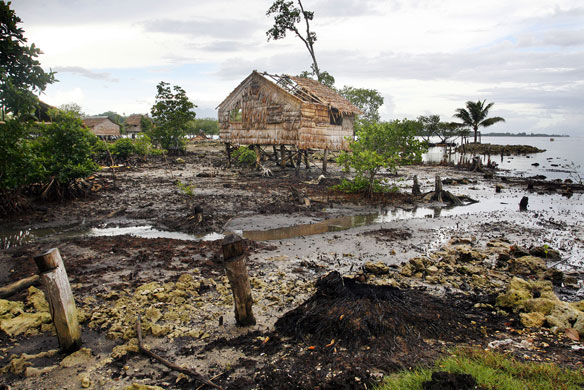
The world’s 52 small island developing states (SIDS), some in danger of being wiped off the face of the earth because of sea-level rise triggered by climate change, will be the focus of an international conference in the South Pacific island nation of Samoa next month.
China’s GDP Growth Has Steep Coastal Costs
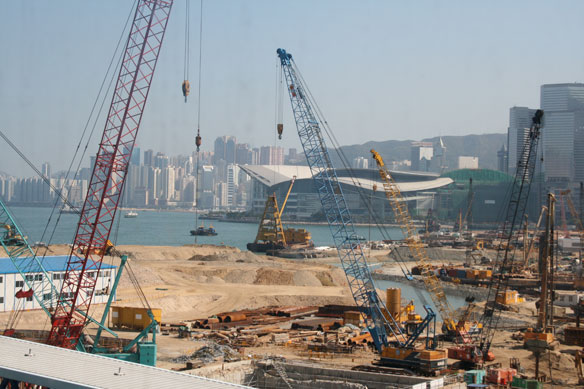
A new study by a team of Chinese and American conservation biologists quantifies the serious consequences of China’s recent economic growth on its coastal ecosystems.
Oxygen-Deprived Dead Zones: Q & A
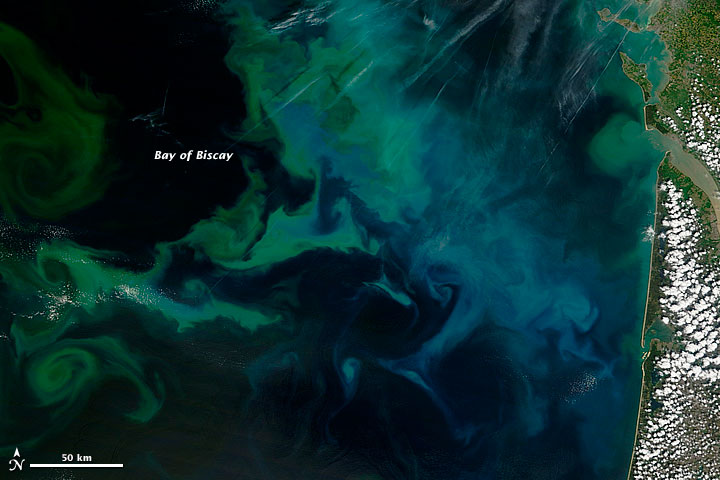
There are more than 400 known dead zones worldwide, covering about 1 percent of the area along the continental shelves. That number is almost certainly a vast undercount, however, since researchers have yet to adequately study large parts of Africa, South America and Asia.
Mercury in the Global Ocean

A new study provides the first direct calculation of mercury in the global ocean from pollution based on data obtained from 12 sampling cruises over the past 8 years. The results confirmed that the ocean contains about 60,000 to 80,000 tons of pollution mercury. In addition, they found that ocean waters shallower than about 100 m (300 feet) have tripled in mercury concentration since the Industrial Revolution.
Hurricanes Iselle and Julio
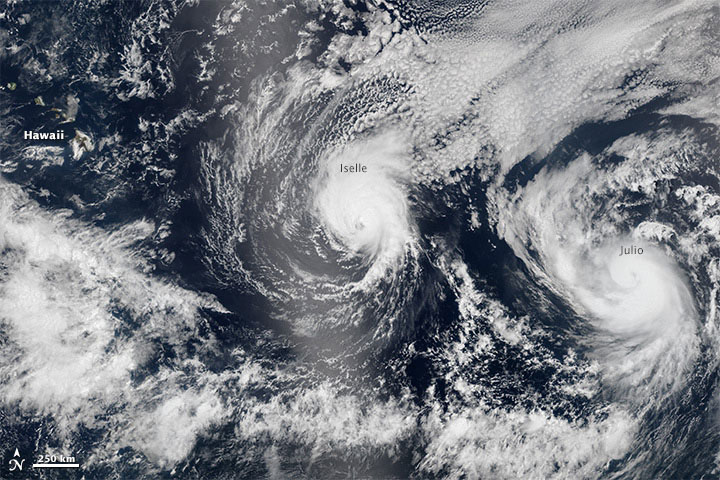
In early August 2014, not one but two hurricanes were headed for the Hawaiian Islands. Storms arriving from the east are a relative rarity, and landfalling storms are also pretty infrequent.
Back from the Dead, Pacific Hurricane Becomes Super Typhoon
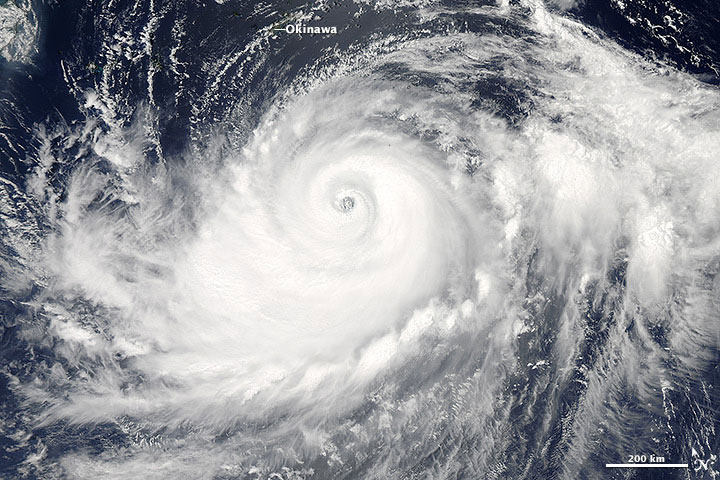
A week after forecasters wrote Genevieve off as dead, the tropical storm has barreled back to life, strengthening from a hurricane into a super typhoon as it crossed the International Date Line early this morning, Eastern Time. This is a rare accomplishment for a Pacific tropical storm.
As Small Hydropower Expands, So Does Caution on Its Impacts
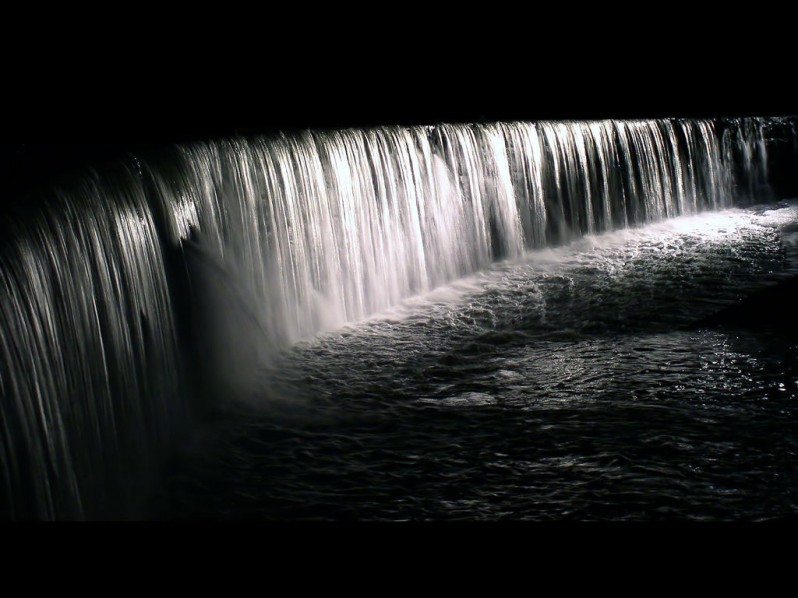
Small hydropower projects have the potential to bring electricity to millions of people now living off the grid. But experts warn that planners must carefully consider the cumulative effects of constructing too many small dams in a single watershed.