
Unprecedented sea lion strandings in California linked to warmer Pacific
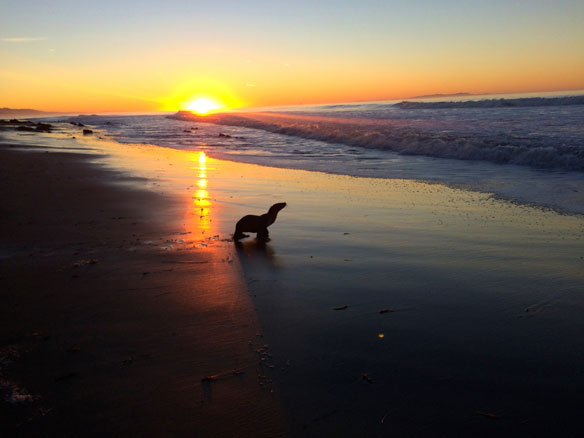
The strandings of a record number of sea lion pups along the California coast this year are linked to a puzzling weather pattern that has warmed their Pacific Ocean habitat and likely impacted fish populations they rely on for food, federal scientists said.
Plastic Bottle Littering Addressed In EPA Video
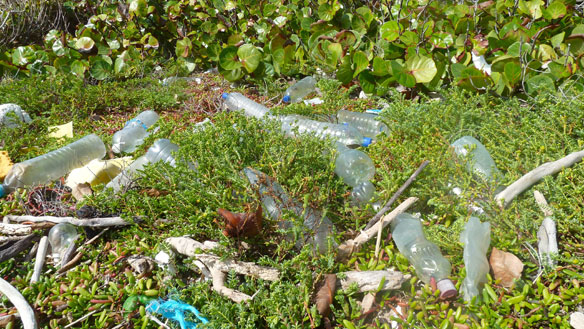
“Look beneath the surface, address the Issues, expand the Conversation…” The United States Environmental Protection Agency (EPA) alerts the public about how plastic is a detriment to the environment.
Warm Ocean Temperatures May Mean Major Coral Bleaching
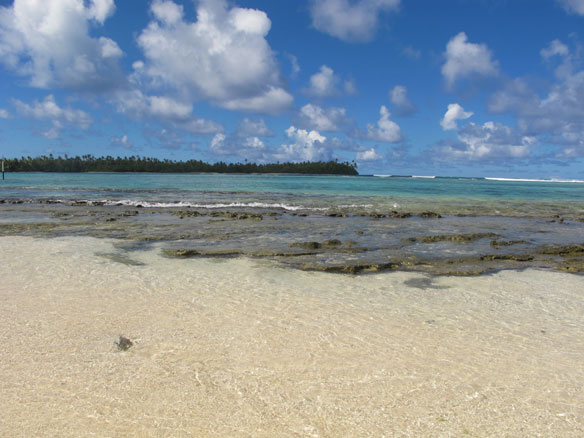
NOAA scientists are warning that warm ocean temperatures in the tropical Pacific and Indian Oceans could set the stage for major coral bleaching events across the globe in 2015.
Humans Altering Adriatic Ecosystems More Than Nature
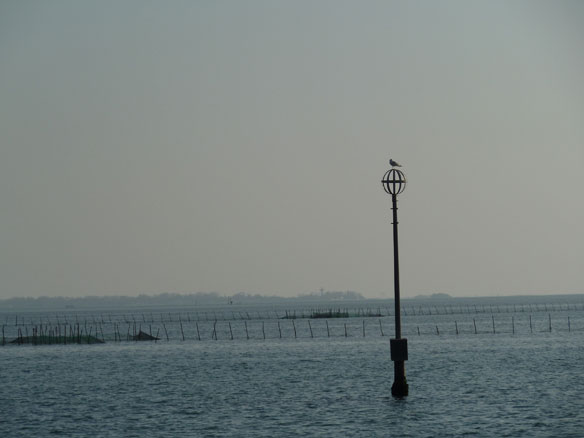
The ecosystems of the Adriatic Sea have weathered natural climate shifts for 125,000 years, but humans could be rapidly altering this historically stable biodiversity hot spot, a University of Florida study says.
Impact of Deepwater Horizon Oil on Beach Microbial Communities
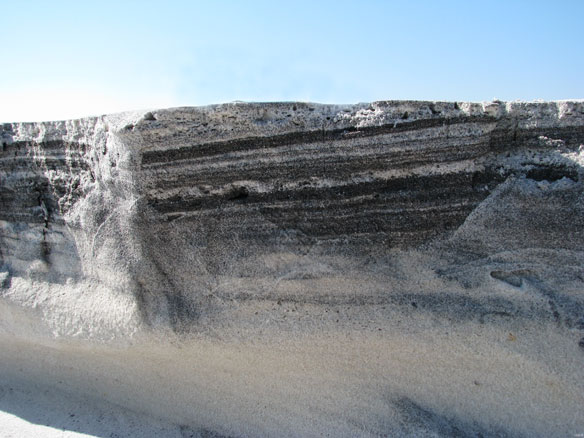
Researchers studying the impact of the Deepwater Horizon spill on communities of beach microbes saw a succession of organisms and identified population changes in specific organisms that marked the progress of the oil’s breakdown.
New Land on the Louisiana Coast
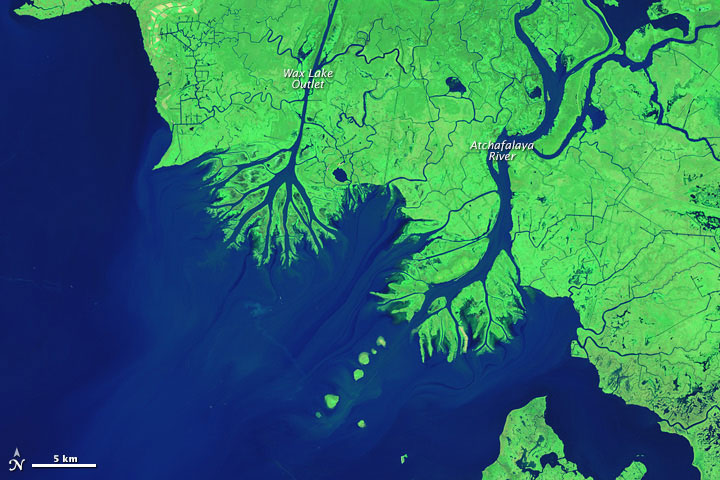
While most of the delta plain of the Mississippi River Delta is losing ground, new land is forming in Atchafalaya Bay at the mouths of the Wax Lake Outlet and the Atchafalaya River.
Rising Seas Threaten South Florida’s Drinking Water
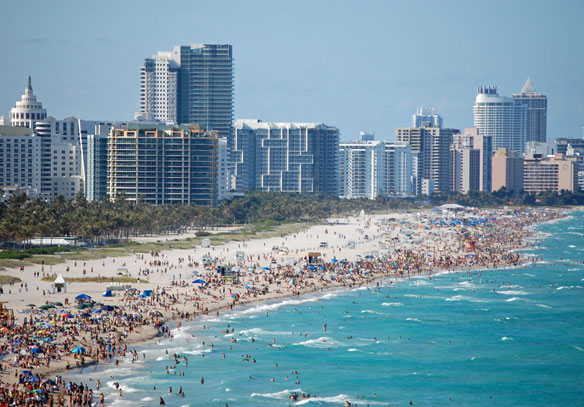
Greater Miami is a place where the idea of not having enough water seems completely inconceivable. South Florida receives about 60 inches of rainfall a year, and groundwater is more than plentiful. But rising sea levels change things in unexpected ways, and seawater threatens to turn the drinking water salty.
Is Beach Renourishment Worth The Money?
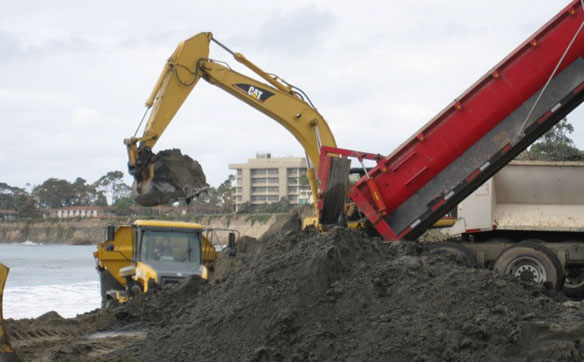
Surf, sand and sun are big draws for southeastern North Carolina. In fact, our beaches keep much of our economy afloat, but they take a lot of maintenance.
140 Whales Die After Getting Stranded On New Zealand Beach
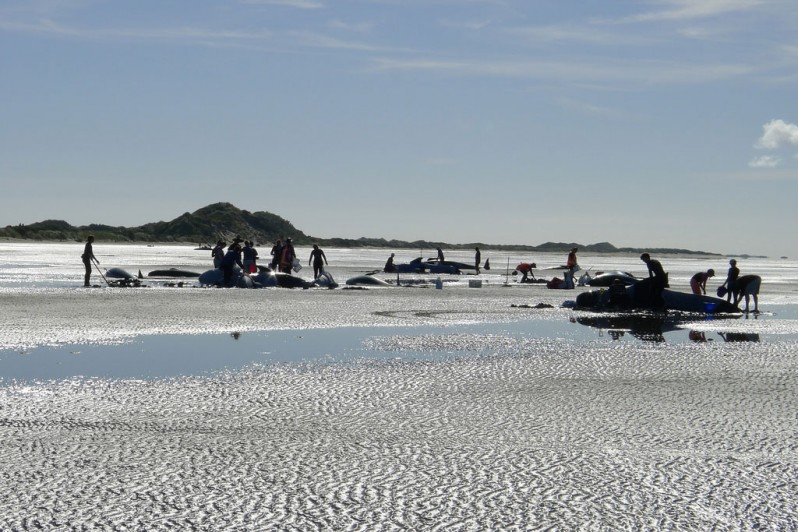
About 140 pilot whales that stranded themselves on a remote stretch of New Zealand beach have died, but conservation workers and volunteers are hoping the remaining 60 or so will survive after they managed to get them refloated.