Excerpt:
The storm exposes the U.S. commonwealth’s climate risks, economic fragility, and federal strain…
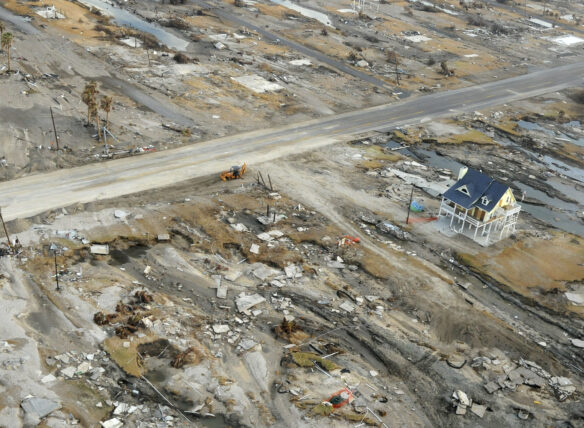
The strongest storm of 2026 slammed into the Commonwealth of the Northern Mariana Islands this week, where it flooded homes, ripped roofs off of houses, and lingered for more than two days, forcing families to shelter without electricity, cell service, or running water as they waited for the worst to pass.
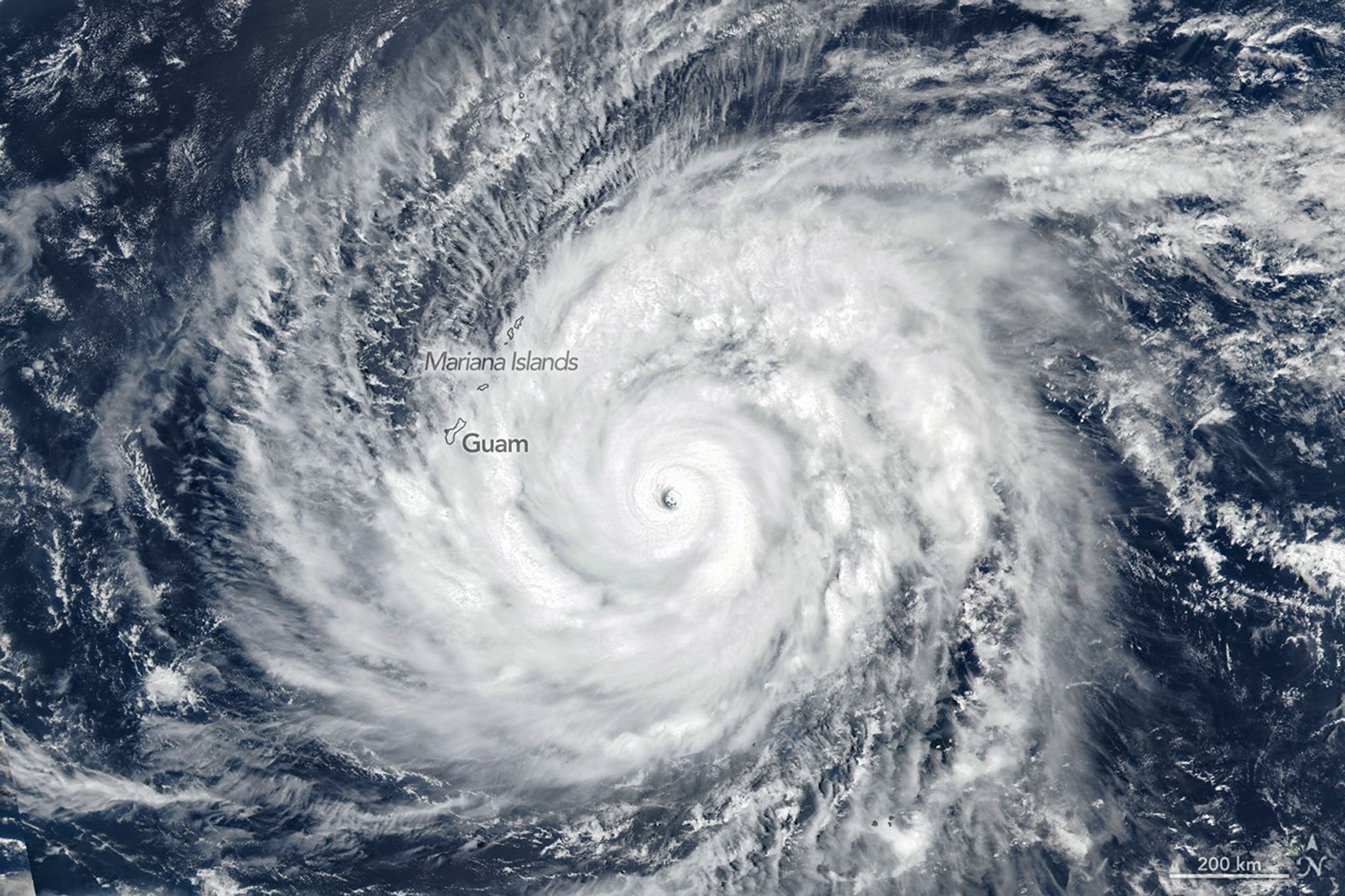
Super Typhoon Sinlaku formed southeast of the Commonwealth of the Northern Mariana Islands, or CNMI, and Guam, two U.S. territories that make up the Mariana Islands archipelago in the western Pacific. It rapidly grew to a Category 5, 185-mph monstrosity. First, the storm hit Chuuk in the Federated States of Micronesia, where it left one person dead and one fisher missing at sea. It then passed north of Guam, which suffered flooding from tropical storm winds, before hitting the islands of Saipan and Tinian in the CNMI, following a similar path as Super Typhoon Yutu eight years ago, which destroyed thousands of homes and forced children to go to school in tents.
Destructive storms are familiar to the Northern Mariana Islands, which is home to about 50,000 people, including Indigenous Chamorros and Carolinians. But this typhoon felt different. “It’s still whistling and you can still hear it going on and things are banging outside,” said Ed Propst, a Saipan resident and former commonwealth legislator, when reached in his home on Thursday morning. “I’ve never seen anything like this, where a typhoon just doesn’t seem to leave.” The storm also hit in April, at least two months before typhoon season usually starts. “When was the last time we had a super typhoon hitting us this early in the year?” Propst said. “This is the first that I can recall.”
The super typhoon comes at a critical time for the U.S. territory: It has struggled to get federal help to address a yearslong economic downturn, and is still recovering and rebuilding from Super Typhoon Yutu. The storm also comes amid a partial shutdown of the Department of Homeland Security, which oversees federal disaster relief, and longstanding efforts by the Trump administration to slash disaster preparedness and climate change mitigation programs.
“We are taking a devastating hit from Super Typhoon Sinlaku, compounding the urgent local priorities we already face, from coastal erosion to an economic crisis,” said Sheila Babauta, a Chamorro climate justice advocate on Saipan and a fellow with the nonprofit Right to Democracy, who sheltered from the storm with her 2-month-old. “On top of that, we’re constantly fighting ecological threats from the federal government, like deep-sea mining and militarization. Our community is strong, but even warriors need rest…”