
Tracking Sargassum’s ocean path could help predict coastal inundation events
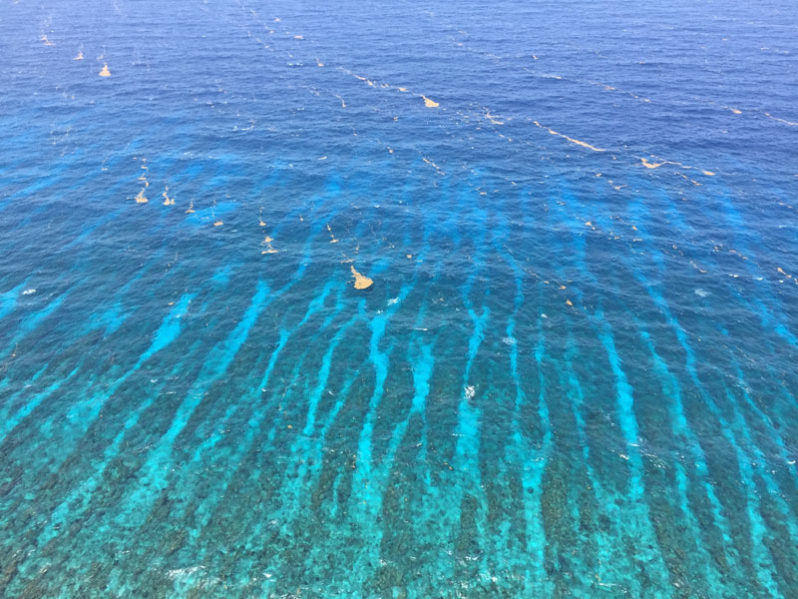
New research explores how the Sargassum might grow while it is meandering along the currents, not just where it floats, combining both ocean physics and seaweed biology for the first time to understand the distribution patterns. Knowing could eventually help predict its arrival and impact on beaches around the world
Can We Outbuild Future Coastal Flooding?
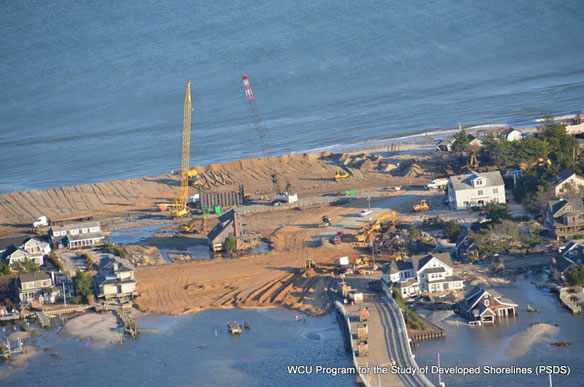
Klaus Jacob, a disaster and risk management scientist at Columbia University’s Lamont-Doherty Earth Observatory, and Western Carolina University coastal geologist Rob Young, discuss different strategies for managing the storms and flood waters of the future. A Podcast.
Hawaii’s Biggest Hurricane Threat in More Than Two Decades
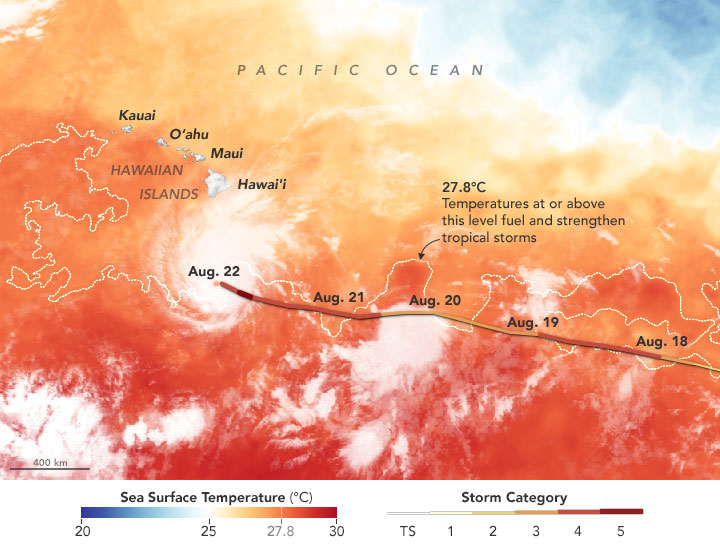
Lane just weakened to a Category 4 storm on Wednesday, but the hurricane still has winds of up to 155 miles an hour and remains the most powerful hurricane to threaten Hawaii in more than two decades.
Sea level rise is already eroding home values, unbeknownst to their owners
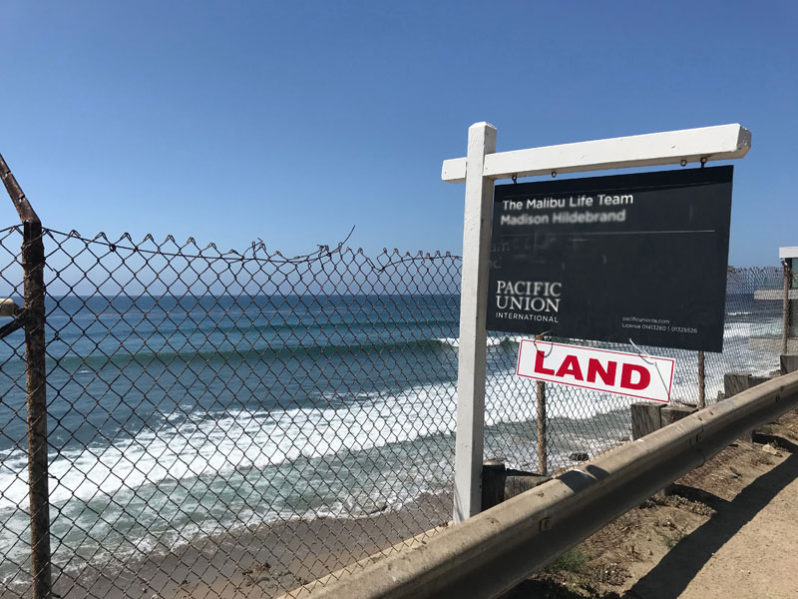
Three studies have found evidence that the threat of higher seas is also undermining coastal property values, as home buyers – particularly investors – begin the retreat to higher ground.
Muddy waters: Exploring mangrove governance in Tanzania
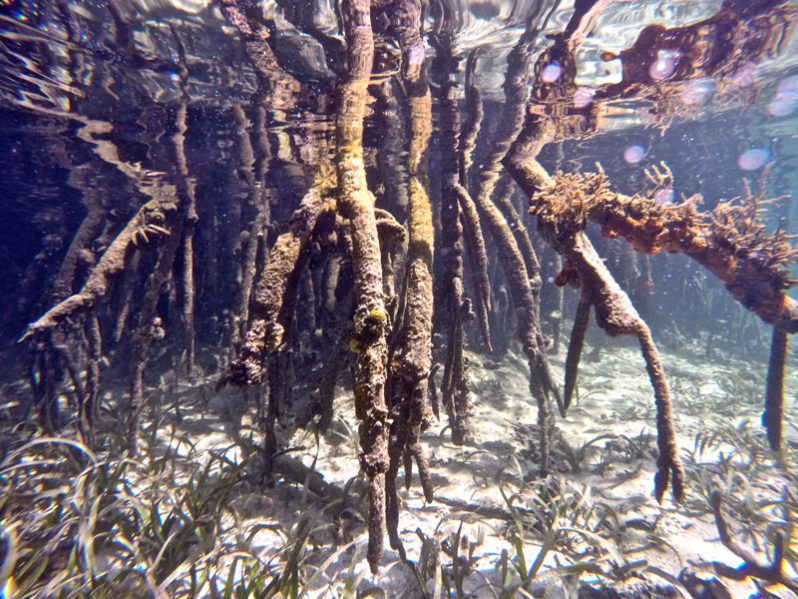
At the Global Landscapes Forum (GLF) in Nairobi later this month, a side event devoted specifically to mangrove preservation and restoration around the African continent’s coastlines will attract a range of stakeholders offering an opportunity to review lessons learned from research undertaken in the Rufiji Delta and mangrove ecosystems across the globe.
Decades of chemical pollution suspected in Maine’s seal die-off
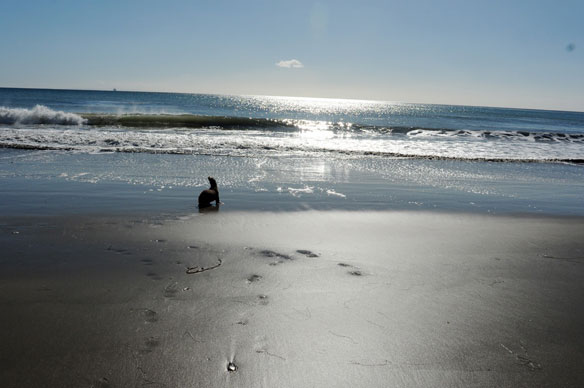
As the number of dead and stranded seals washing up on southern Maine beaches rises by the day, researchers are linking the sudden die-off to decades of chemical pollution that made the seal population vulnerable to toxins and disease.
Scientists testing new solution to fight Florida’s toxic red tide
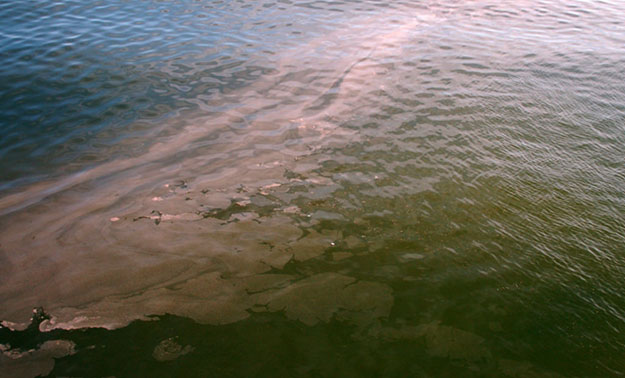
The state of Florida is at war with a toxic red tide. A tide that is killing marine life along the Sunshine State’s southwest coast and creating a stench. Scientists at Mote Marine Laboratory in Sarasota are working on a new weapon that they call an “Ozone Treatment System.
Sargassum: The seaweed deluge hitting Caribbean shores
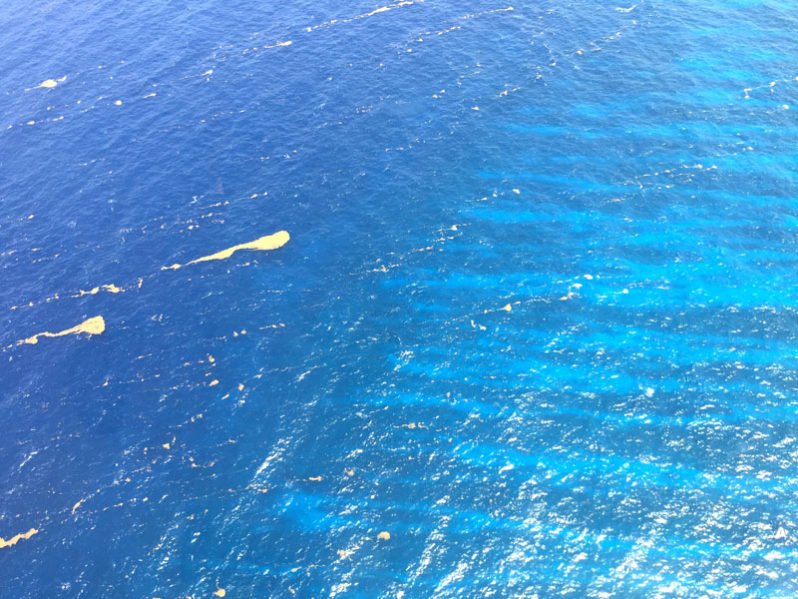
When waves of sargassum – a type of seaweed – washed up on Eastern Caribbean shores seven years ago, people hoped it was a one-off. Matted piles swamped coastlines from Tobago to Anguilla. Years later, the seaweed keeps on washing ashore, in larger quantities, and everything suggests 2018 could be the worst year yet.
Acid coastal seas off US putting common fish species at risk
Scientists have shown that coastal waters and river estuaries can exhibit unique vulnerabilities to acidification than offshore waters. This acidification can lead to disorientation and cognitive problems in some marine fish species, such as salmon, sharks, and cod.