
Prepare for a ‘Gray Swan’ Climate – the Atlantic

The next climate extremes are both predictable and unprecedented, and they’re coming on fast…
As Development Alters Greek Islands’ Nature and Culture, Locals Push Back – the New York Times

As a proliferation of pools threatens some water supplies and housing costs skyrocket, people of the Cycladic islands say the Aegean islands’ character is being lost to real-estate homogenization…“It’s very easy to talk about sustainable development, but all they actually do is approve new investments,” said Ioannis Spilanis, a former general secretary for island policy at Greece’s shipping ministry and now head of the Aegean Sustainable Tourism Observatory…
Record-setting storm wallops East Coast with flooding, high winds – the Washington Post
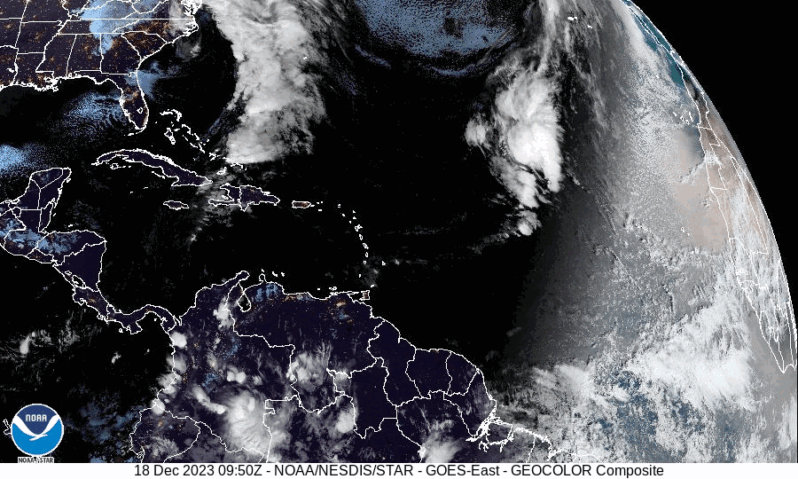
A historically intense December coastal storm is blasting the Northeast on Monday after unleashing heavy rainfall, coastal flooding and high winds from Florida to the Mid-Atlantic. More than 700,000 customers had no power midday Monday as gusts surpassed 60 mph in many locations in eastern New England…
Can the tourism industry survive the climate crisis? – the Guardian
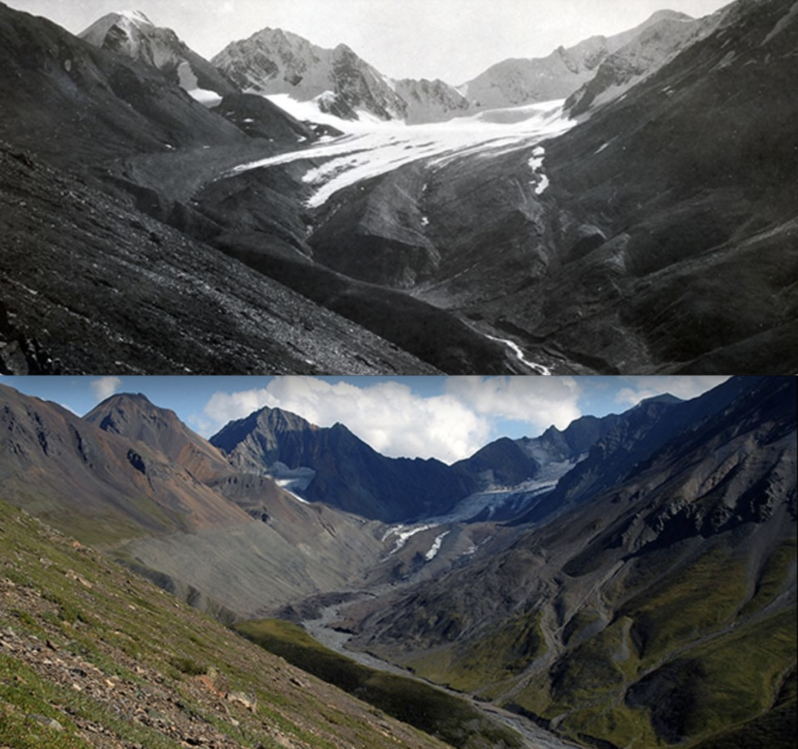
From the Solomon Islands to Denali national park, how five communities reliant on tourism are coping as climate change upends their industry…One of the terrible ironies of the climate crisis is that some of the most beautiful – and popular – places in the world are also the most vulnerable. Which means as temperatures rise, extreme weather events increase, water sources dry up and natural habitats die, these places are facing another devastating loss: tourists…
The World’s Fastest-Sinking Megacity Has One Last Chance to Save Itself – Bloomberg
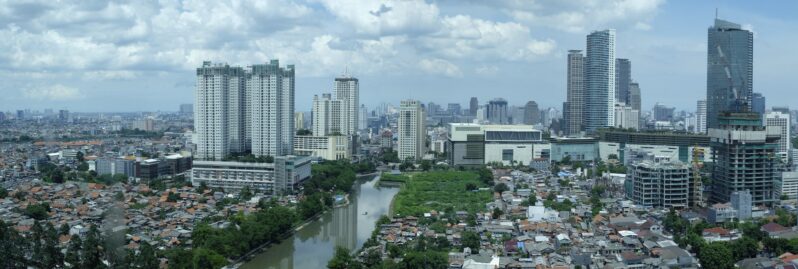
Venice is sinking. So are Rotterdam, Bangkok and New York. But no place compares to Jakarta, the fastest-sinking megacity on the planet. Over the past 25 years, the hardest-hit areas of Indonesia’s capital have subsided more than 16 feet. The city has until 2030 to figure out a solution, experts say, or it will be too late to hold back the Java Sea…
Earth on verge of five catastrophic climate tipping points, scientists warn – the Guardian
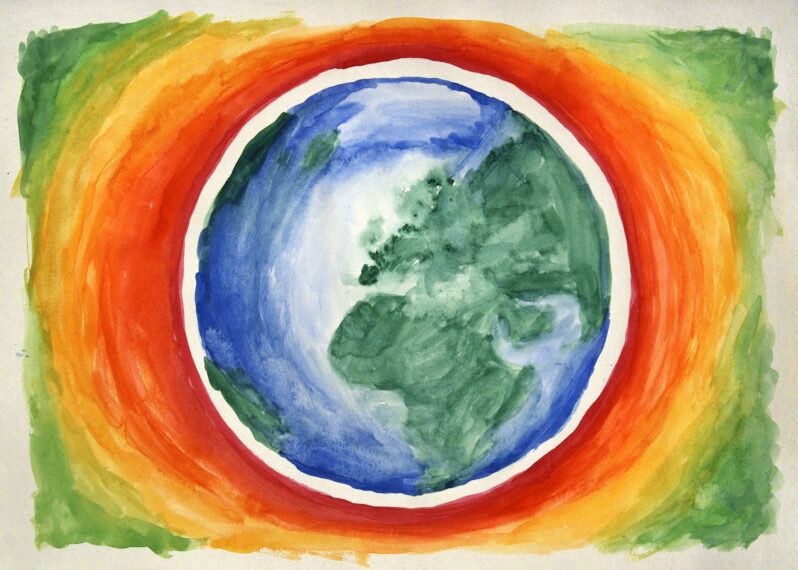
Humanity faces ‘devastating domino effects’ including mass displacement and financial ruin as planet warms…“Tipping points in the Earth system pose threats of a magnitude never faced by humanity,” said Tim Lenton, from the University of Exeter’s Global Systems Institute. “They can trigger devastating domino effects, including the loss of whole ecosystems and capacity to grow staple crops, with societal impacts including mass displacement, political instability and financial collapse…”
Ecosystems as Infrastructure: A New Way of Looking at Climate Resilience – Yale Environment 360

Landscape architect Kate Orff works on rebuilding natural systems to help communities and cities reduce their climate risks. Places with interwoven ecological systems, she says, are more resilient and better able both to respond to emergencies and adapt for the future….
A disappearing island: ‘The water is destroying us, one house at a time’ – NPR
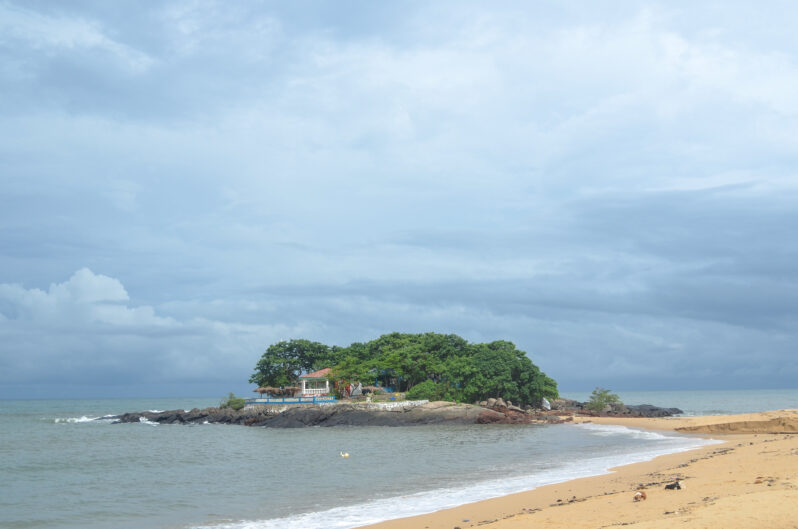
With nearly a third of its population living in coastal areas, and its heavy reliance on subsistence agriculture and fishing, Sierra Leone has been identified as one of the world’s most vulnerable countries to the impacts of climate change, despite having contributed just a tiny fraction of global CO2 emissions. With a GDP per capita of barely $2,000, it is also one of the least prepared to deal with those impacts….
Earth Just Had the Hottest 12-Month Span in Recorded History – Scientific American
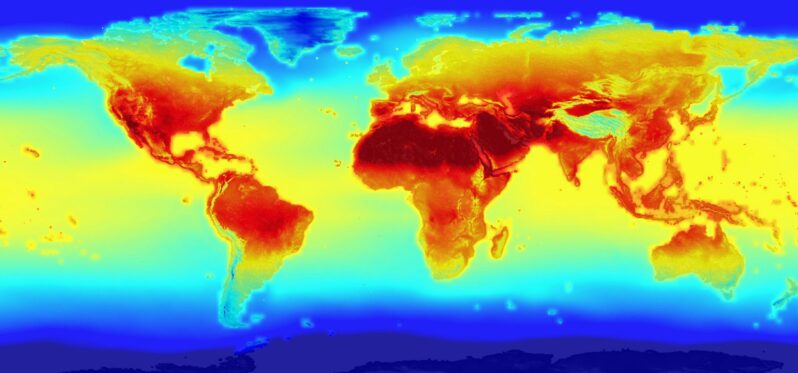
As this past October came to a close, it marked the hottest 12-month period ever recorded, a new analysis finds. This stark milestone is the latest in a string of superlatives to emerge this year that show how much carbon pollution has warmed the planet—and how that trend is accelerating. It also comes just weeks before international negotiators are set to meet and hash out issues around achieving the Paris climate accord’s fundamental goal: limiting global warming to no more than 1.5 degrees Celsius (2.7 degrees Fahrenheit) above preindustrial temperatures…