
No, 11,200 Climate Refugees Aren’t Heading to Australia – the New York Times

Low-lying Tuvalu has reached a deal with its large Pacific neighbor to address the challenge of rising oceans, but it is not planning to pack up and go…
Ancient Warning of a Rising Sea | Interactive – the Washington Post
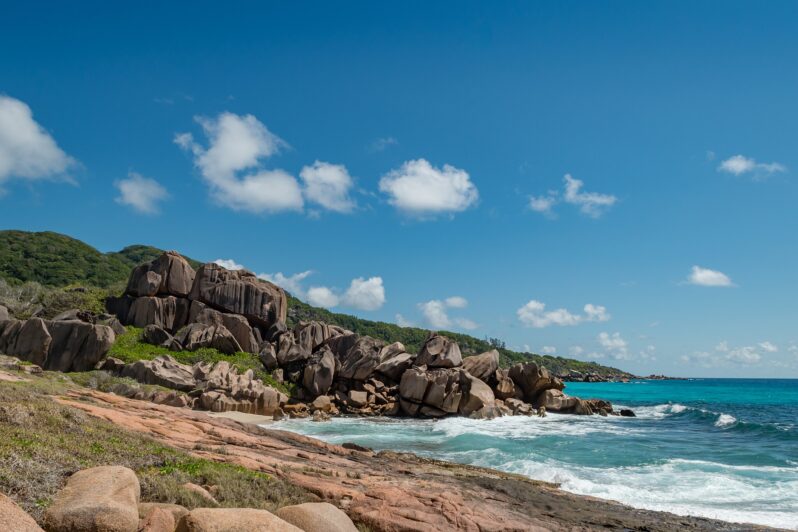
By studying the long-dead coral reefs, researchers have revealed not only how high sea levels can reach, but where the deluge will hit hardest. As temperatures surge and ice sheets melt, the fossils show, the oceans won’t rise evenly around the planet. Instead, the loss of polar ice will trigger profound changes in Earth’s gravity and shape — which, in turn, will create dramatic disparities in where ocean water flows…
Melting Ice Shelves
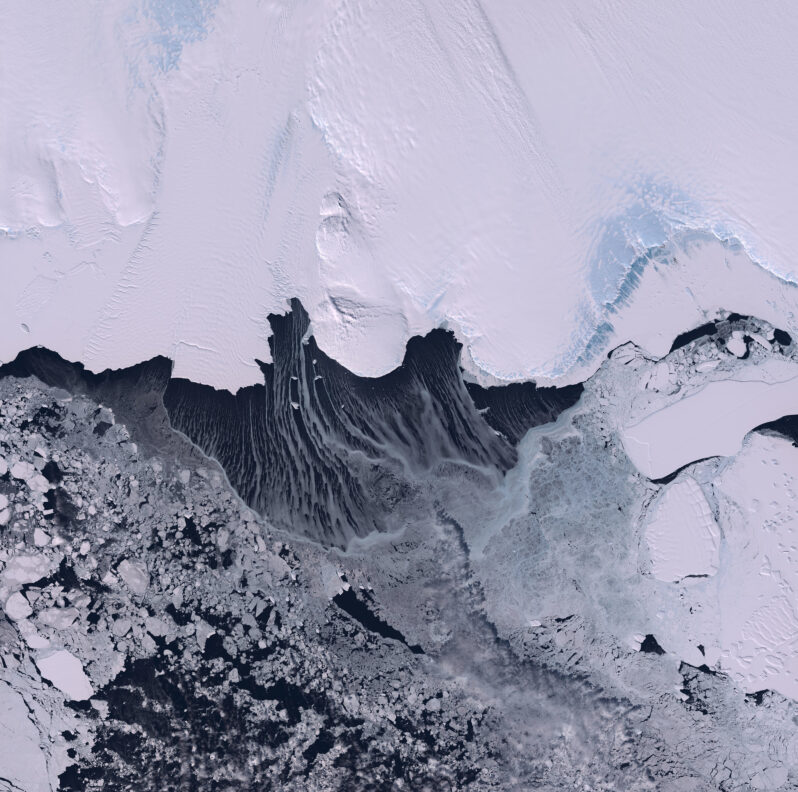
“Together, the Antarctic and Greenland Ice Sheets contain more than 99 percent of freshwater ice on Earth. If they both completely melted, they would raise sea level by an estimated 67.4 meters (223 feet). Long-term satellite data indicate that through most of the twentieth century, the ice sheets made very little contribution to sea level, and were nearly in balance in annual snowfall gain and ice or meltwater loss. However, the stability of the ice sheets has changed considerably in the twenty-first century…” – Ice Sheets Today
Two Studies on Greenland Reveal Ominous Signs for Sea Level Rise – the New York Times
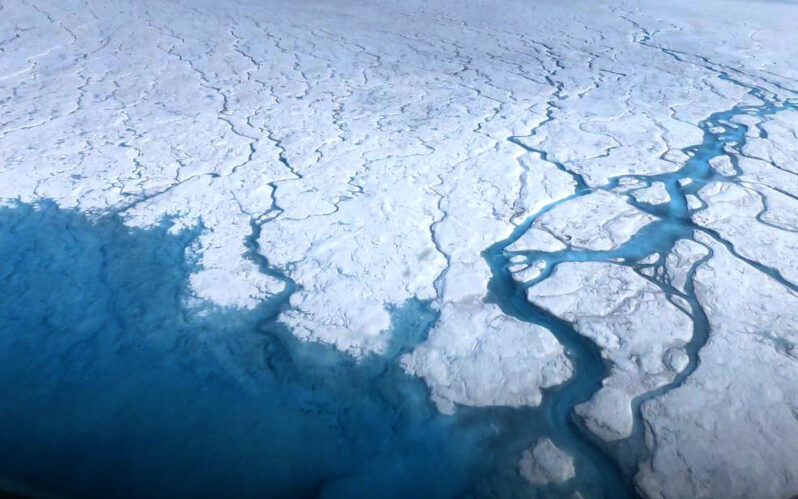
Greenland’s mountain glaciers and floating ice shelves are melting faster than they were just a few decades ago and becoming destabilized, according to two separate studies published this week. The island’s peripheral glaciers, located mostly in coastal mountains and not directly connected to the larger Greenland ice sheet, retreated twice as fast between 2000 and 2021 as they did before the turn of the century, according to a study published on Thursday. “It got a lot harder to be a glacier in Greenland in the 21st century than it had been even in the 1990s,” said Yarrow Axford, a professor of geological sciences at Northwestern University and a co-author of the paper, published in the journal Nature Climate Change…
What the Melting of Antarctic Ice Shelves Means for the Planet – Inside Climate News
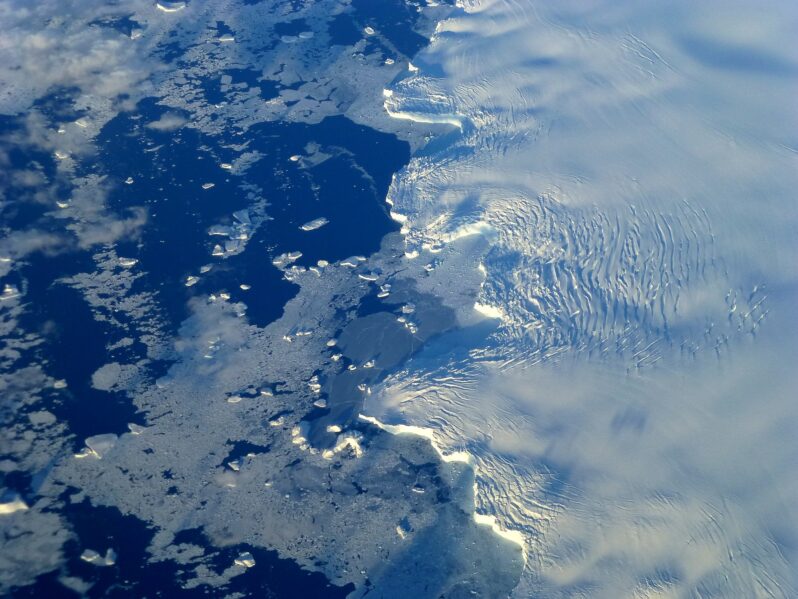
Antarctica’s ice shelves are the gatekeepers between the continent’s glaciers and the open ocean. As the planet warms, these shelves shrink, exposing more and more ice, which leads to more melting. This frozen continent rests under a massive ice sheet averaging more than a mile thick. But a recent study in Science Advances found that Antarctica had 68 ice shelves that shrunk significantly between 1997 and 2021, adding up to about 8.3 trillion tons lost during that time…
West Antarctic ice sheet faces ‘unavoidable’ melting, a warning for sea level rise – the Washington Post
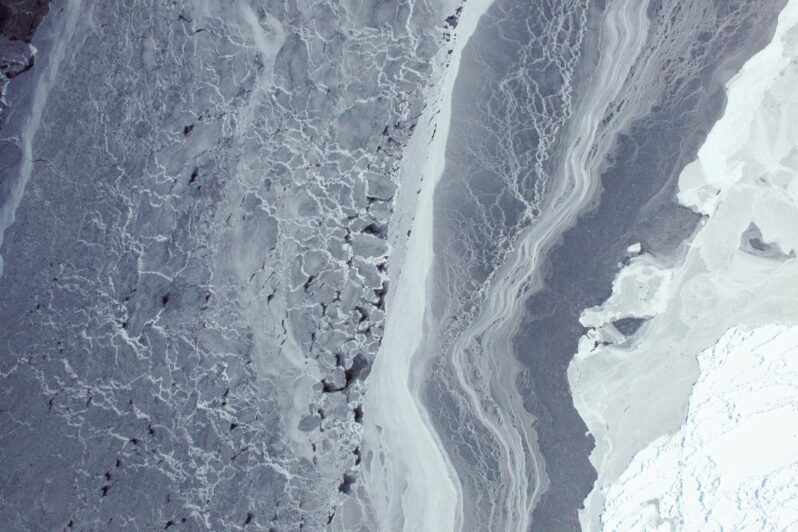
Accelerating ice losses are all but “unavoidable” this century in vulnerable West Antarctic ice shelves as waters warm around them, according to new research. And the analysis could mean scientists were too conservative in predicting about one to three feet of sea level rise by 2100…
Greenland’s ice shelves hold back sea level rise. There are just 5 left – the Washington Post
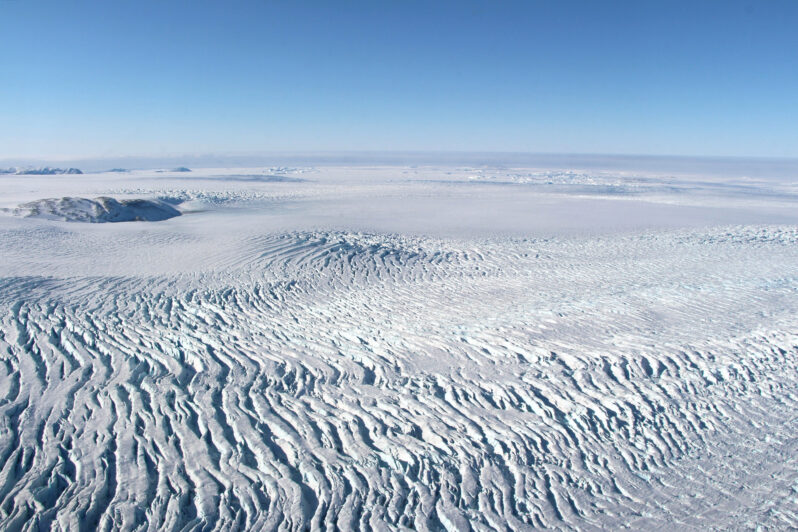
And now there are only five large shelves left, stretching out from their fjords toward the Greenland Sea and the Arctic Ocean. That includes three major ones — Petermann, Ryder and Nioghalvfjerdsbrae (often referred to as 79 North for its location in degrees latitude) — whose respective glaciers could ultimately account for 3.6 feet of sea level rise if they were to melt entirely — a process that would take centuries to play out…
Climate crisis costing $16m an hour in extreme weather damage, study estimates – the Guardian
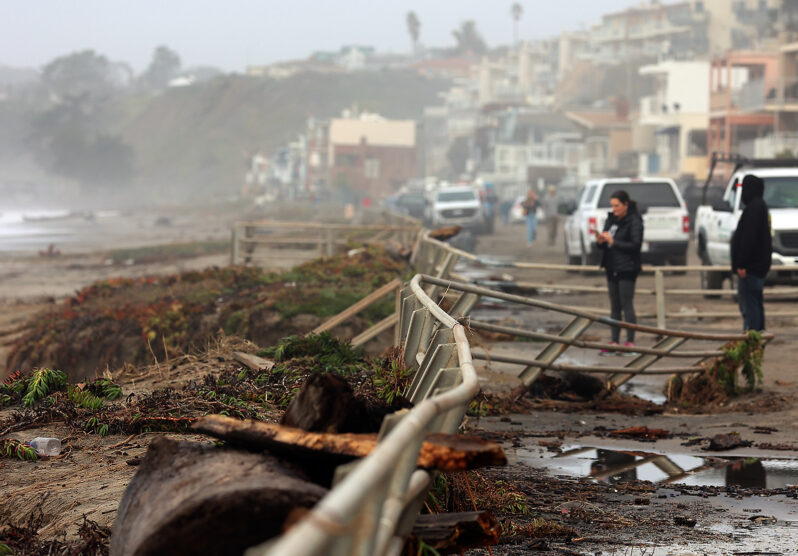
The damage caused by the climate crisis through extreme weather has cost $16m (£13m) an hour for the past 20 years, according to a new estimate.
Storms, floods, heatwaves and droughts have taken many lives and destroyed swathes of property in recent decades, with global heating making the events more frequent and intense. The study is the first to calculate a global figure for the increased costs directly attributable to human-caused global heating…
September shattered global heat record — and by a record margin – the Washington Post
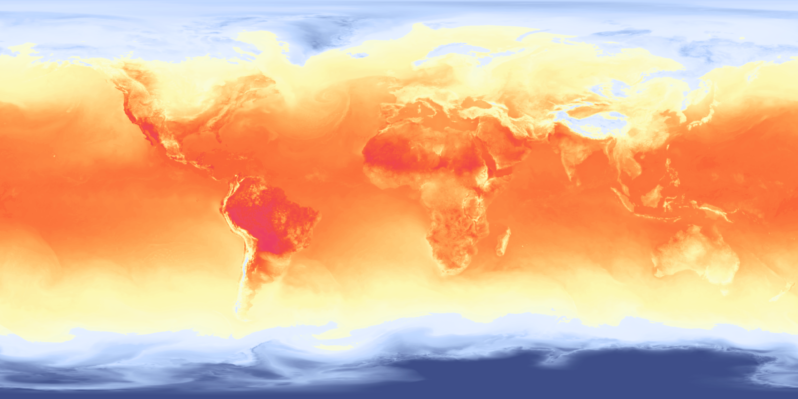
Temperatures around the world last month were at levels closer to normal for July according to separate data analyses by European and Japanese climate scientists.
September’s average temperature was nearly 1 degree Celsius (1.7 degrees Fahrenheit) above 1991-2020 levels — or about 1.7 to 1.8 degrees Celsius (3.1 to 3.2 degrees Fahrenheit) above normal from before industrialization and the widespread use of fossil fuels…