
World’s Oceans Changing Colour Due to Climate Breakdown – the Guardian
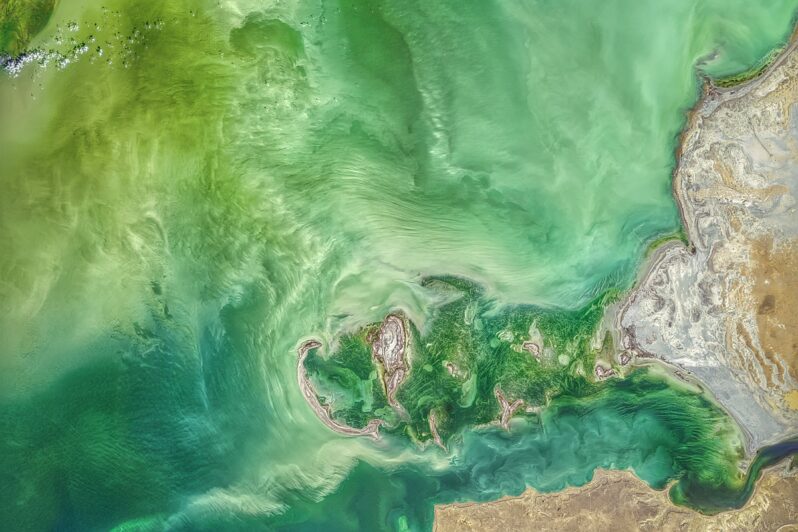
The sea is becoming greener due to changes in plankton populations, analysis of Nasa images finds…
Lessons from California on How to Adapt to Sea Level Rise – NPR | On Point with Meghna Chakrabarti
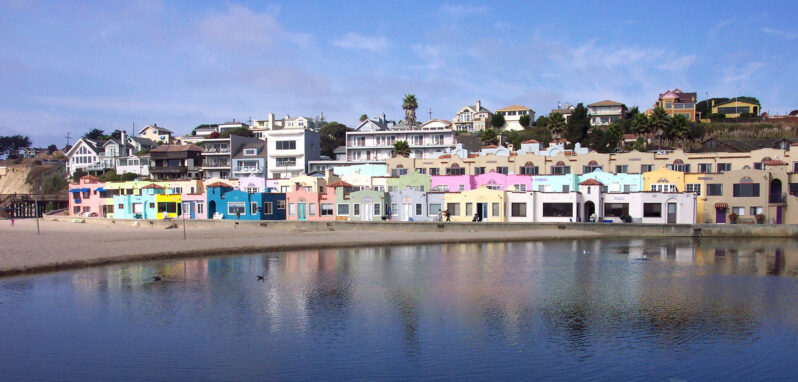
The Pacific Ocean off the California coast could rise more than six feet by the end of this century, according to some estimates…
Guests: Rosanna Xia, environmental reporter for the LA Times. Author of “California Against the Sea: Visions for our Vanishing Coastline.”
A.R. Siders, director of the Climate Change Hub and professor on climate change adaptation at the University of Delaware.
For Sanibel, the Recovery from Hurricane Ian Will Be Years in the Making – Inside Climate News
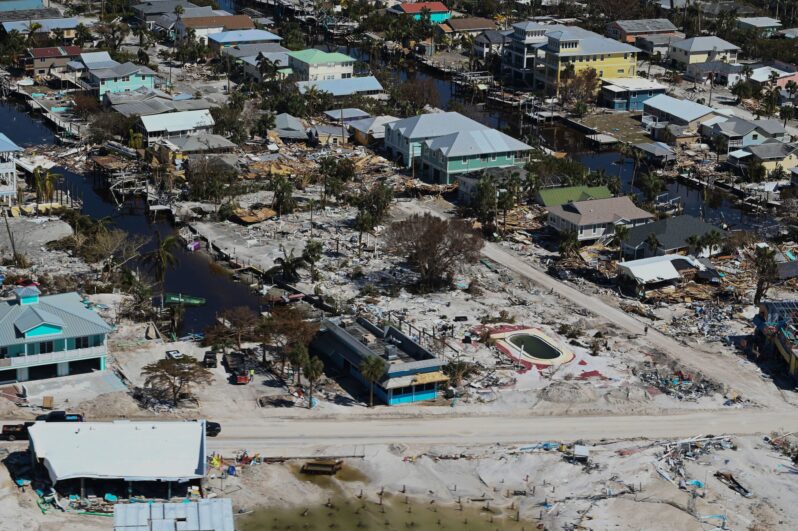
Few images of Hurricane Ian’s destruction in Florida a year ago this week were more indelible than those of the swamped causeway here, the only link between the mainland and barrier island where this small beach community is located…
A First: Category 5 Storms Have Formed in Every Ocean Basin this Year – the Washington Post
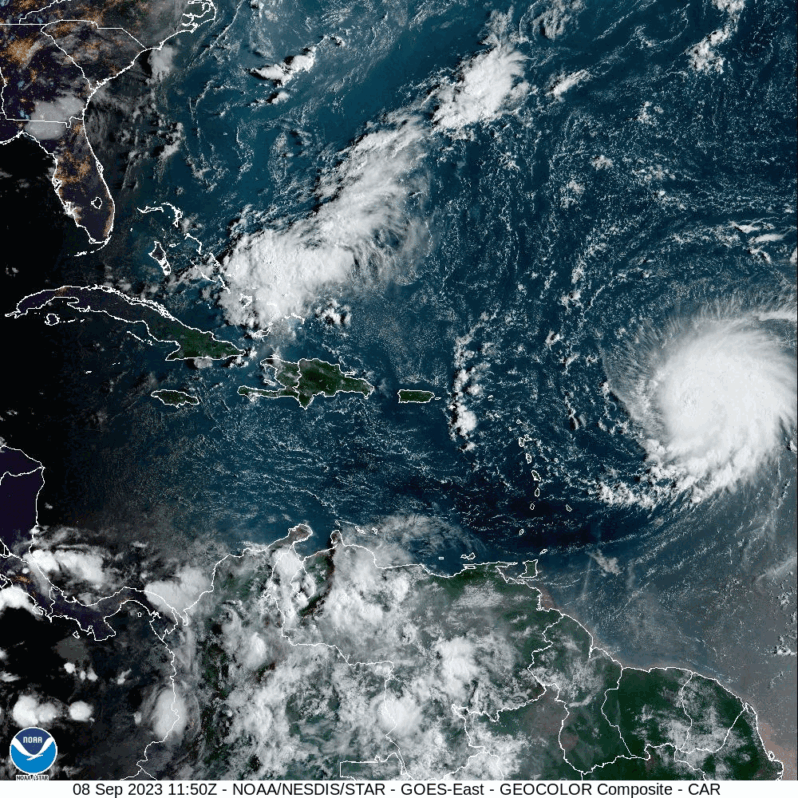
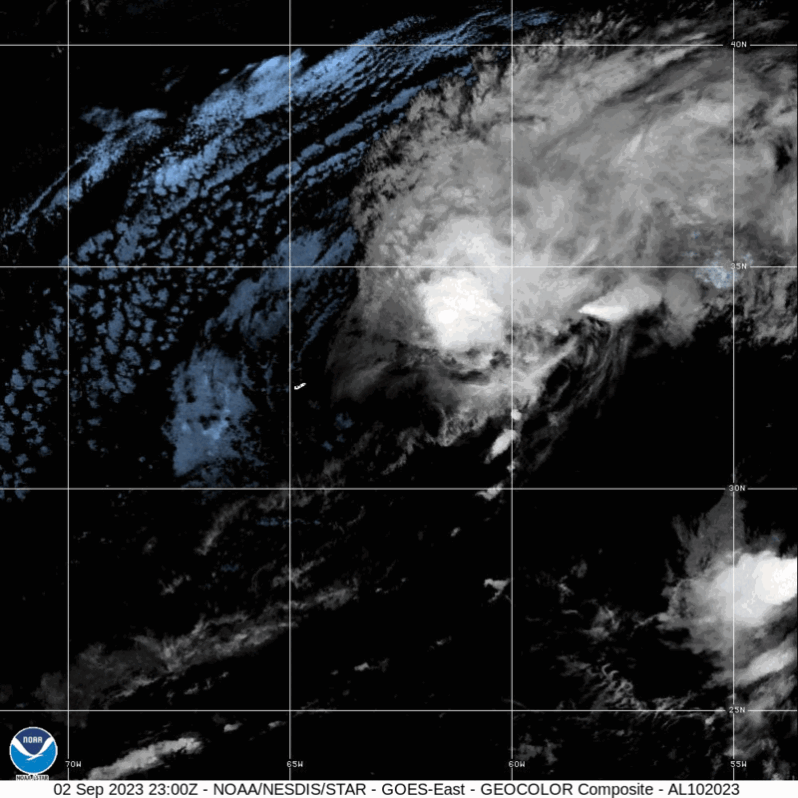
Hurricane Lee intensified with breakneck speed Thursday over record-warm Atlantic waters, its peak winds catapulting from 80 to 160 mph in just 18 hours. Lee is now a top tier Category 5 hurricane, according to the National Hurricane Center, and will probably strengthen even more…
Lee rapidly intensifies into a Category 5 hurricane over Atlantic – the Washington Post
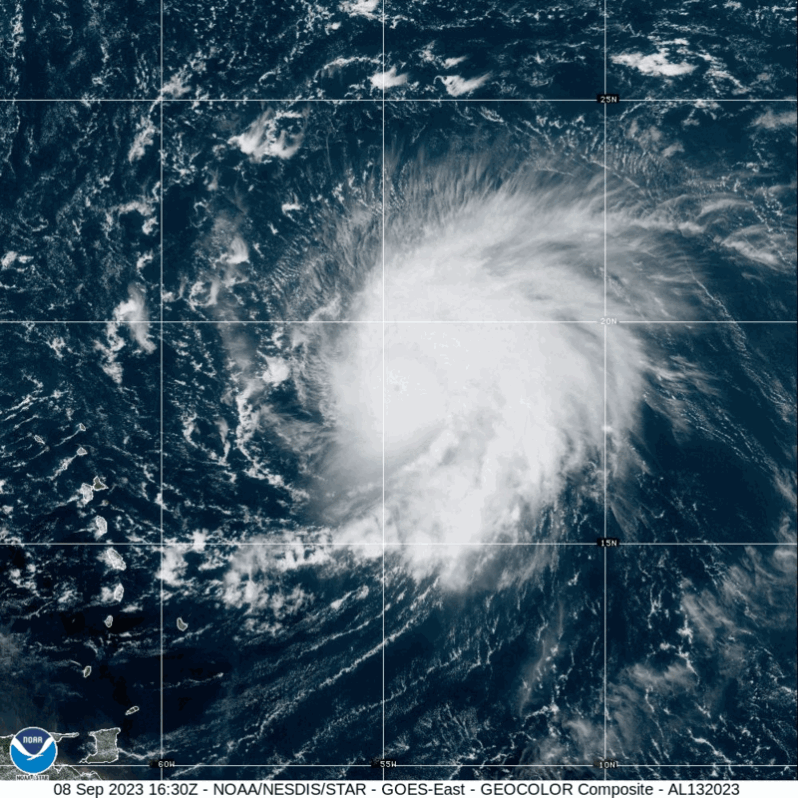
Hurricane Lee intensified with breakneck speed Thursday over record-warm Atlantic waters, its peak winds catapulting from 80 to 160 mph in just 18 hours. Lee is now a top tier Category 5 hurricane, according to the National Hurricane Center, and will probably strengthen even more…
In the face of sea level rise, can we reimagine California’s vanishing coastline? – the Los Angeles Times
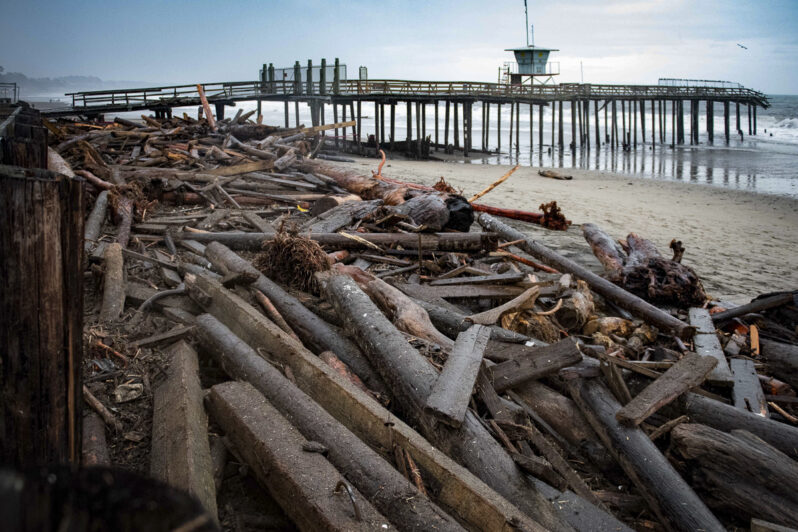
Excerpted from “California Against the Sea: Visions for Our Vanishing Coastline” (available Sept. 26, 2023) by Rosanna Xia. Reprinted in the Los Angeles Times with permission from Heyday Books, © 2023.
A sea change on managed retreat? – CommonWealth Journal
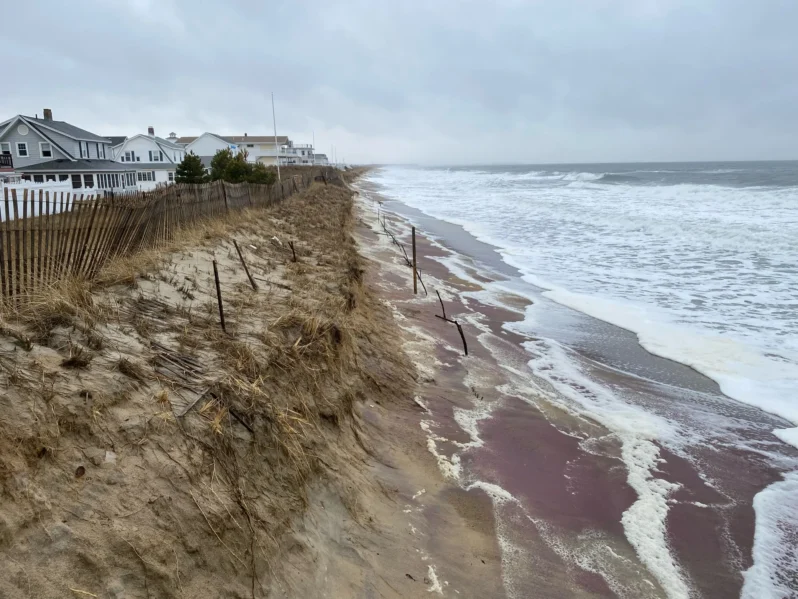
As waters rise, coastal residents are increasingly facing a difficult choice: try to relocate in a difficult housing market and take losses on their homes, or get comfortable with a future where there may be multiple feet of water in their living rooms…
Hurricane Idalia’s Explosive Power Comes from Abnormally Hot Oceans – the New Yorker
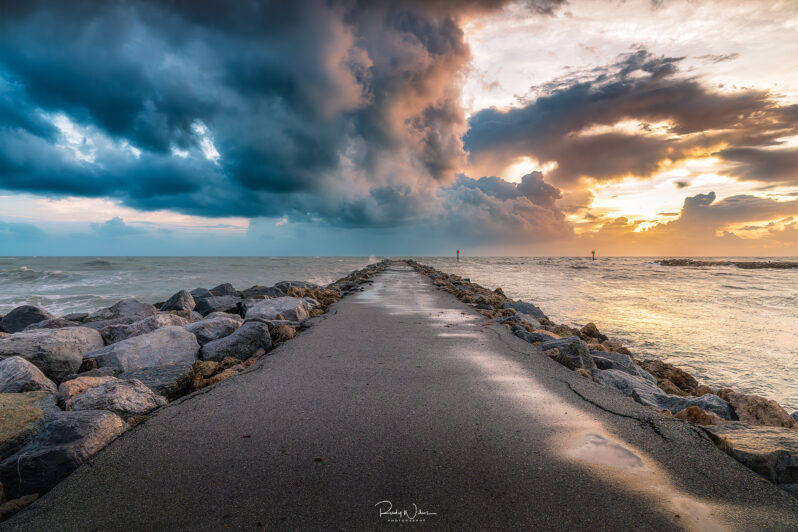
Of all the astonishing facts about our blithe remaking of the world’s climate system, the most astonishing might be this: if oceans didn’t cover seventy per cent of our planet, we would have increased the average temperature to about a hundred and twenty-two degrees Fahrenheit. That’s because those oceans have absorbed something like ninety-three per cent of the extra heat trapped by the greenhouse effect and our burning of fossil fuels…
How sea level rise made Idalia’s storm surge worse – the Washington Post
In mid-November 2021, a great storm begins brewing in the central Pacific Ocean north of Hawai‘i. Especially warm water, heated by the sun, steams off the sea surface and funnels into the sky.
A tendril of this floating moisture sweeps eastward across the ocean. It rides the winds for a day until it reaches the coasts of British Columbia and Washington State. There, the storm hits air turbulence, which pushes it into position—straight over British Columbia’s Fraser River valley….