
Dead zone in Gulf of Mexico will take decades to recover from farm pollution
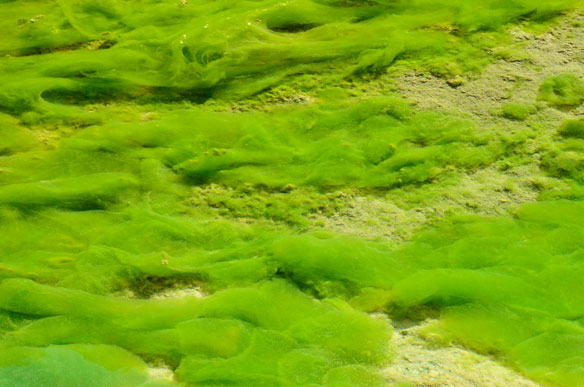
The enormous “dead zone” in the Gulf of Mexico will take decades to recover even if the flow of farming chemicals that is causing the damage is completely halted.
Newport Beach Officials Prepare for Possibility of Big Tsunami That Could Flood Large Swaths of City
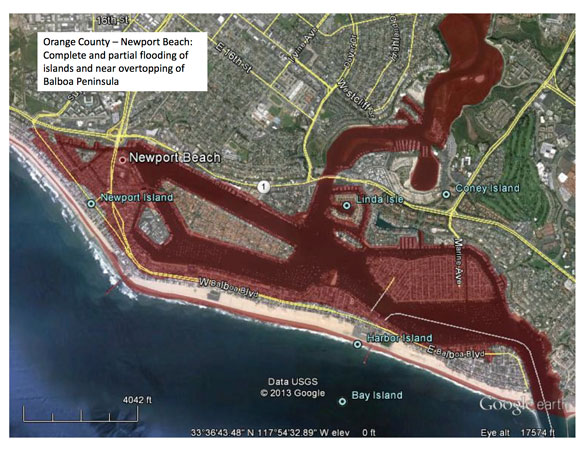
Tsunami and emergency response experts at a Newport workshop last week offered tips on how to avoid the devastation of the quake-triggered waves.
First lorry-load of sand arrives at storm-hit Hemsby beach, UK
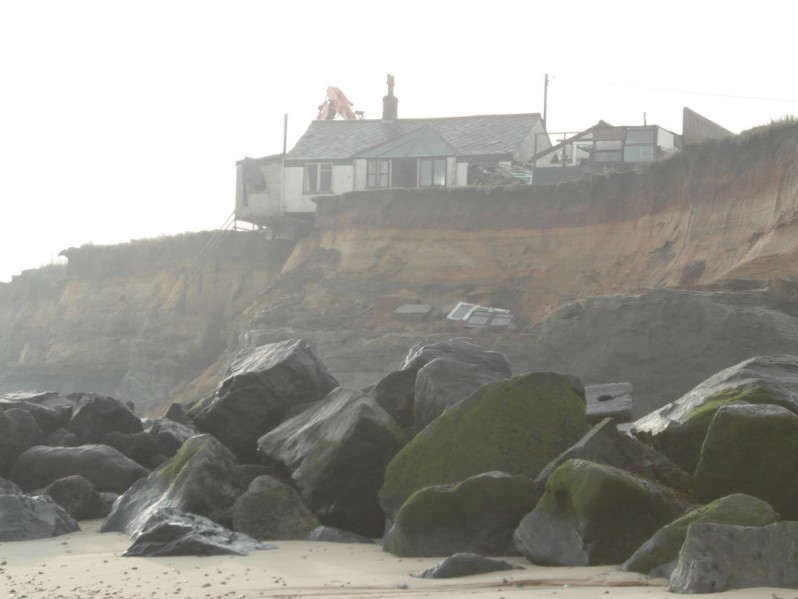
Work has started to replace sand stripped away from a beach, following storms which left a row of houses perched on the edge of a cliff.
Sand Mining in Uganda Poses a Serious Threat to the Environment
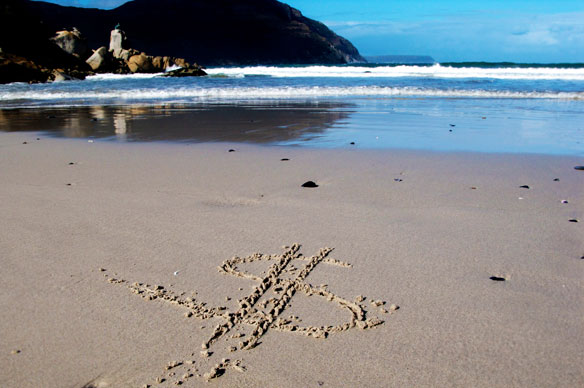
Environmentalists in Uganda say an important wetland that runs along a highway linking the capital city of Kampala to the southwestern town of Masaka is being harmed by aggressive dredging to extract sand.
New material made from desert sand could offer low-carbon alternative to concrete
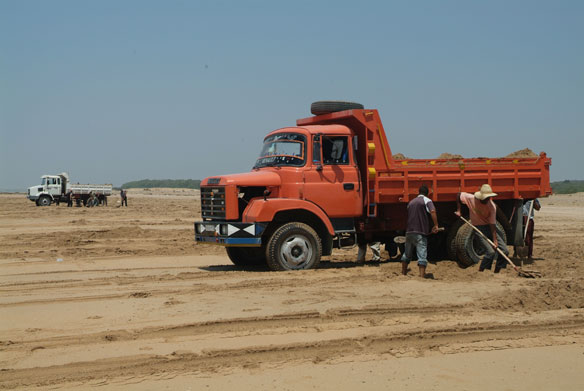
A team of scientists in the UK have developed a biodegradable construction material made from desert sand – a resource that has until now been useless for construction.
Cyclone Marcus
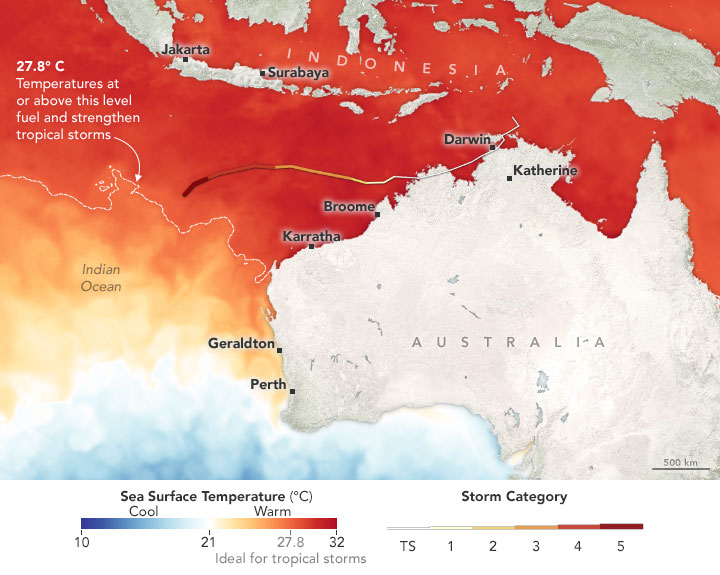
It is the first category 5 cyclone of 2018 and the strongest to hit Darwin, Australia, since 1974. But so far, Cyclone Marcus has directed most of its fury into the Indian Ocean, rather than onto landmasses.
Rescuers scramble to help beached whales after mass stranding in Australia
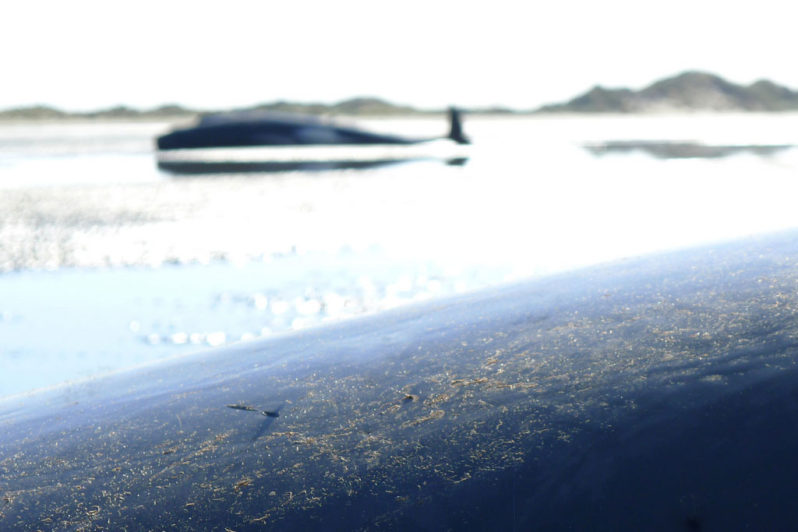
More than 140 short-finned pilot whales died after a mass stranding on a beach in Western Australia.
FEMA is buying homes in this Alaskan town because of climate change
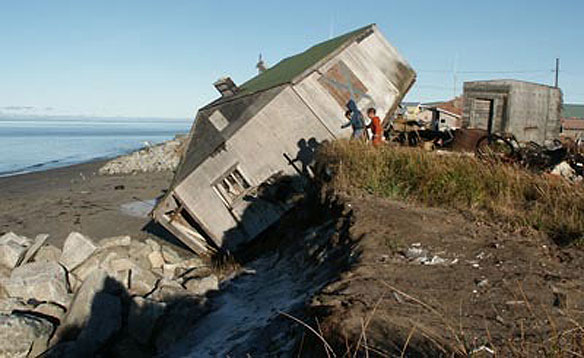
The village of Newtok, Alaska, is trying to escape catastrophic coastal erosion. Its residents have even been called America’s first climate refugees. But because traditional FEMA disaster funding doesn’t cover climate-related threats, they’ve struggled for years to find funding to relocate to a new location 9 miles away, called Mertarvik.
“Great Pacific Garbage Patch” is growing rapidly, study reveals
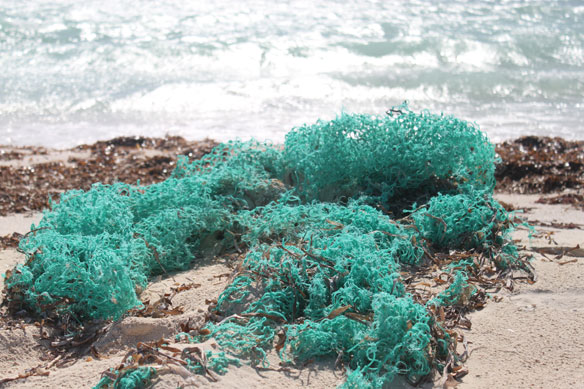
Researchers estimate that at least 79,000 tons of ocean plastic are floating in waters between California and Hawaii – and known as the “Great Pacific Garbage Patch,” an area spanning 1.6 million square kilometers, or about 618,000 square miles – “four to sixteen times higher than previously reported,” the study says.