
Bomb cyclone, atmospheric river, polar vortex: How our weather terminology has grown with recent wild storms – the Los Angeles Times
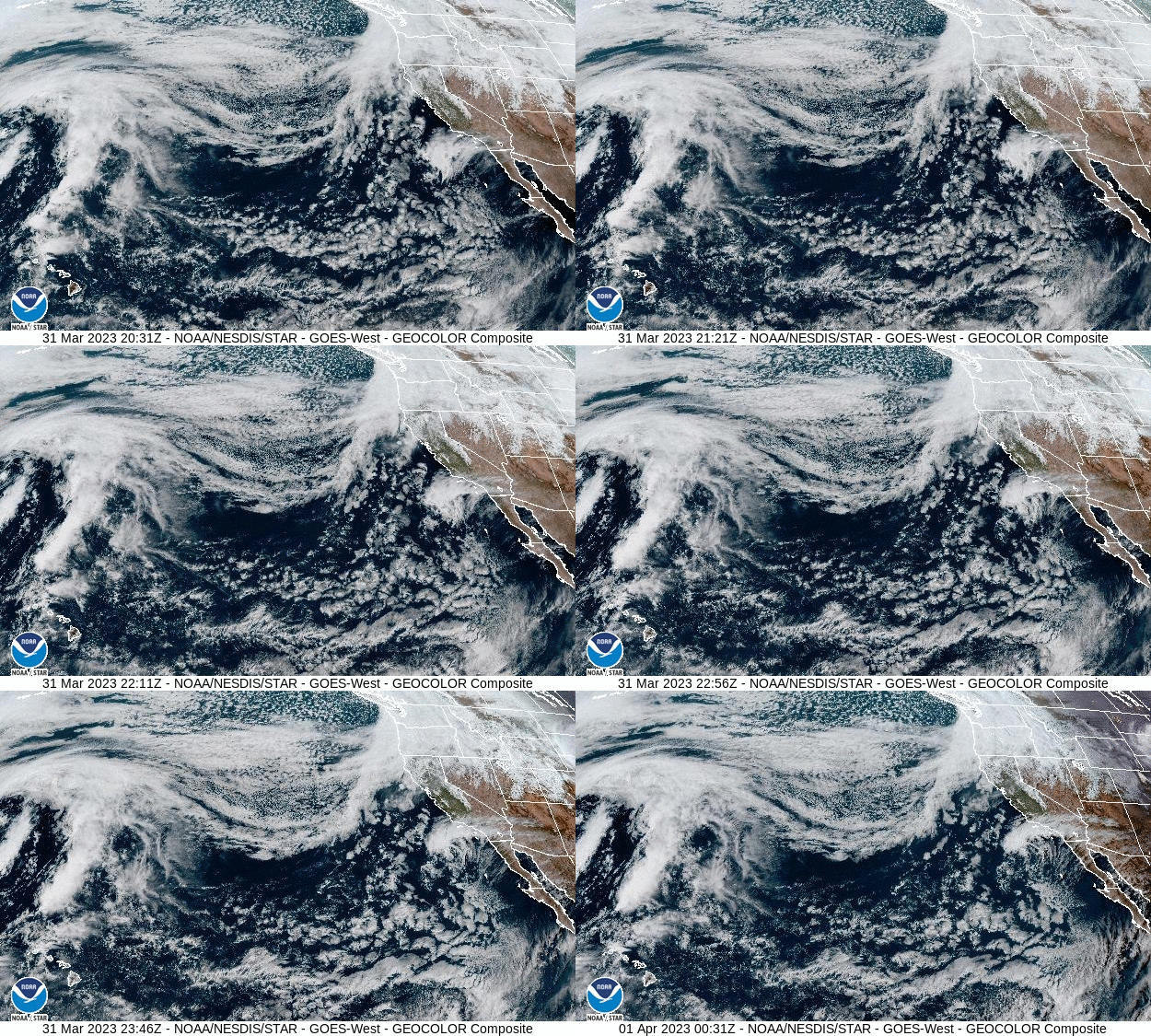
Californians have been warned over the past few months about weather ranging from a “vicious heat dome” to back-to-back “atmospheric rivers,” and the always-concerning “bomb cyclone.” While it might feel as though recent weather has been dominated by a string of new phenomena, experts say these terms and events are well-established in the scientific world but simply novel to much of general public…
New Land Creation on Waterfronts Increasing, Study Finds – AGU
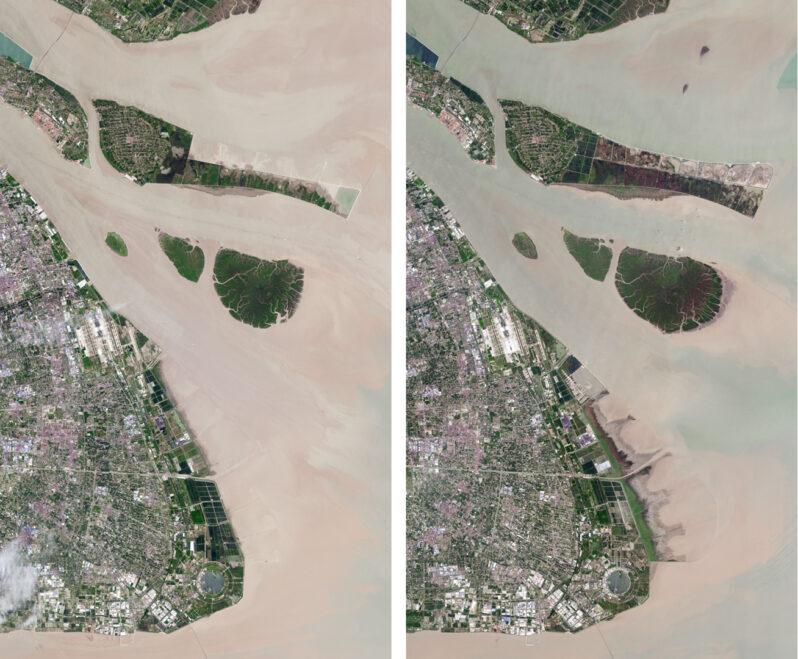
Humans have added approximately 900 square miles of land to urban coastlines this century, and we’re building more…
Humans are artificially expanding cities’ coastlines by extending industrial ports and creating luxury residential waterfronts. Developers have added over 2,530 square kilometers of land (900 square miles, or about 40 Manhattans) to coastlines in major cities since 2000, according to a new study…
The way of water: Can anything be done to save our disappearing beaches? – WA Today
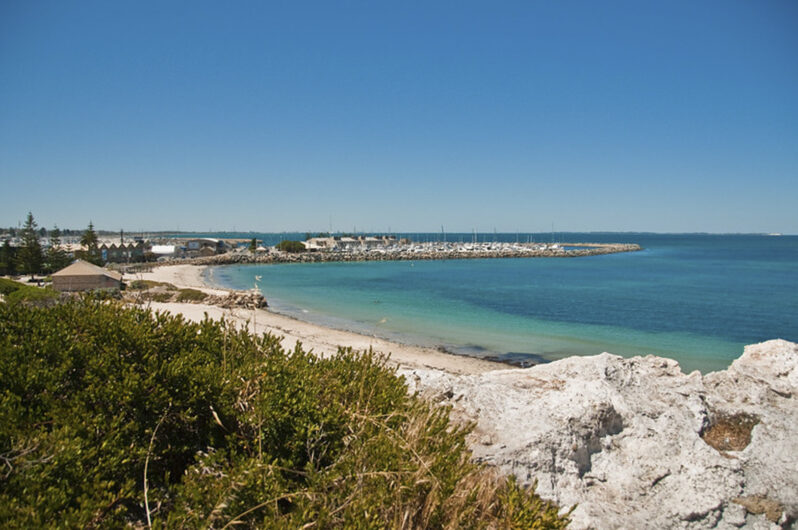
South Beach is a far cry from those wide-open ultra-Aussie surf destinations such as Scarborough and Trigg (the bit in front of Wilson Park is barely a kilometre long)…So you can imagine my shock when I recently popped down for a jog and a swim to discover that a good chunk of the white stuff that was so fundamental to my experience of Fremantle had disappeared…
New York City Begins Its Climate Change Reckoning on the Lower East Side, the Hard Way – Inside Climate News
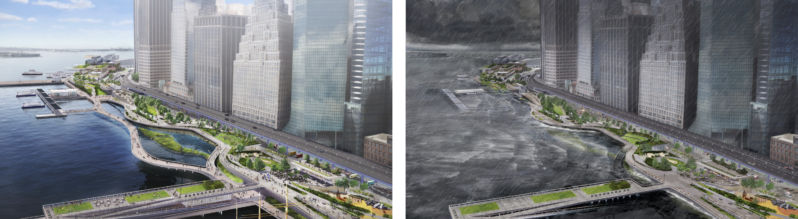
The city redesigned much of a $1.5 billion floodwall project along the East River without any community input, shattering trust. Now, New York is pursuing similar climate resiliency projects in Manhattan that Mayor Eric Adams calls “complex, novel and unparalleled compared to any other American city…”
‘Extrapolations’ is the climate TV show we’re finally ready for – the Grist
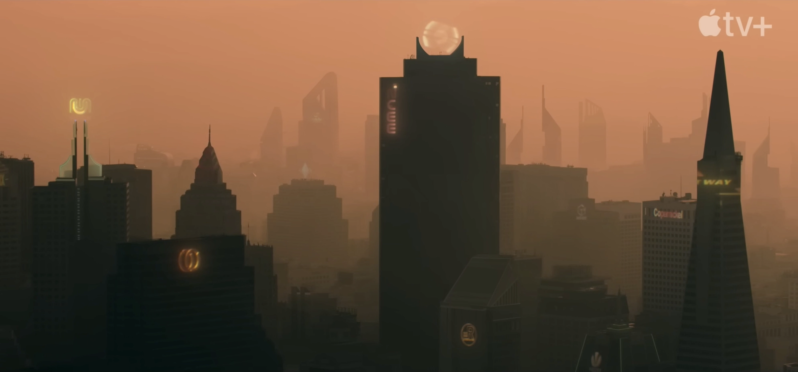
If Hollywood has the power to shape our collective imagination for good, it has too often failed when it comes to compelling stories about climate. But that untapped power is part of what makes Extrapolations, the new Apple TV+ series being touted as the biggest-budget scripted TV show ever made about global warming, so intriguing…
“There has been so much storytelling done around the post-apocalyptic, denuded world,” said producer and screenwriter Scott Z. Burns. “But before we get to that end, there’s a lot of messy middle…”
A chunk of Rancho Palos Verdes is sliding into the sea. Can the city stop it? – the Los Angeles Times
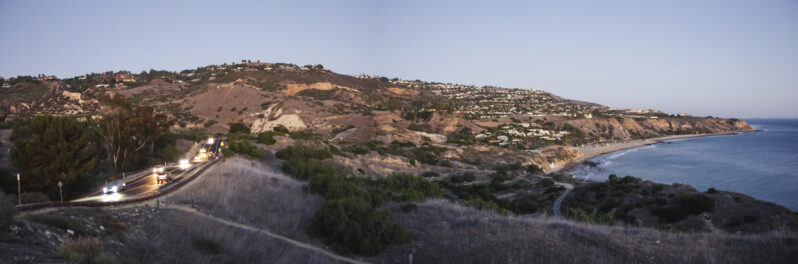
A drive along the ocean on the Palos Verdes Peninsula is Southern California at its finest. Sunlight dances on the water. Coves are pristine, unsullied by development. Catalina Island appears so near you can almost spot the bison.
Look a bit closer, though, and you’ll see signs of a disaster waiting to happen…
Retreat in Rodanthe Interactive Feature – the Washington Post
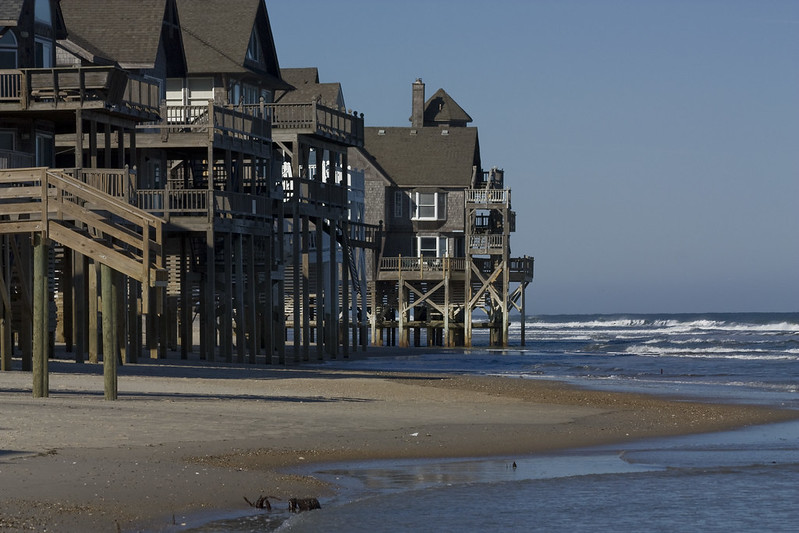
Along three blocks in a North Carolina beach town, severe erosion is upending life, forcing hard choices and offering a glimpse of the dilemmas other coastal communities will face…
Early last year, a house crumbled into the sea in this small Outer Banks community, home to some of the most rapid rates of erosion and sea level rise on the East Coast.
Not long after, another house fell. And then another…
Here’s why a California beach town just banned balloons – the Grist
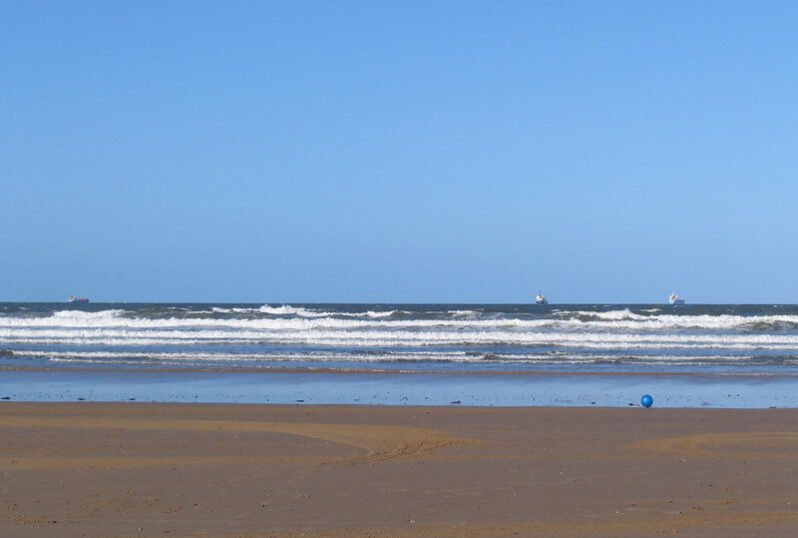
Celebrations in a beachside California city will soon have to take place without an iconic, single-use party favor: balloons.
The city council of Laguna Beach, about 50 miles southeast of Los Angeles, banned the sale and use of all types of balloons on Tuesday, citing their contribution to ocean litter as well as risks from potential fires when they hit power lines…
In pictures: France demolishes beach apartments and relocates residents due to rising sea levels – Euronews | Reuters

When it was built at the end of the 1960s on one of France’s most glorious Atlantic coastlines, the beach was over 200 metres away.
Today, the hulk of the 80-flat Le Signal apartment block perches precariously on a dune just metres from the water and local authorities are tearing it down before it tumbles…