
Professor A.T. Williams
Nelson Rangel-Buitrago, PhD Remembers Allan Thomas Williams:
Professor A.T. Williams was an accomplished educator, scientist, and mentor in the field of coastal geomorphology, conservation, and management. His unwavering dedication to teaching, research, and coastal conservation has left a lasting impact on the lives of countless students and colleagues around the world.
His legacy will live on through the countless lives he touched, the knowledge he shared, and the positive impact he had on the world of coastal geomorphology, management, and conservation.
Restoring Seabird Populations Can Help Repair the Climate – Inside Climate News
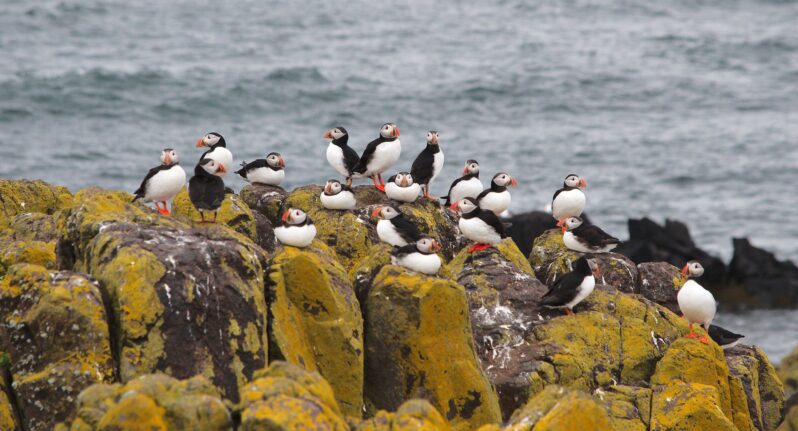
The number of ocean going birds has declined 70 percent since the 1950s. New research shows how projects bringing them back can also bolster ocean ecosystems that sequester carbon.
Seabirds evolved about 60 million years ago, as Earth’s continents drifted toward their current positions and modern oceans took shape. They spread across thousands of undisturbed islands in the widening seas. And as flying dinosaurs and giant omnivorous sea reptiles died out, seabirds also started filling an ecological niche as ecosystem engineers…
As California attempts a ‘managed retreat,’ coastal homeowners sue to stay – Grist Magazine
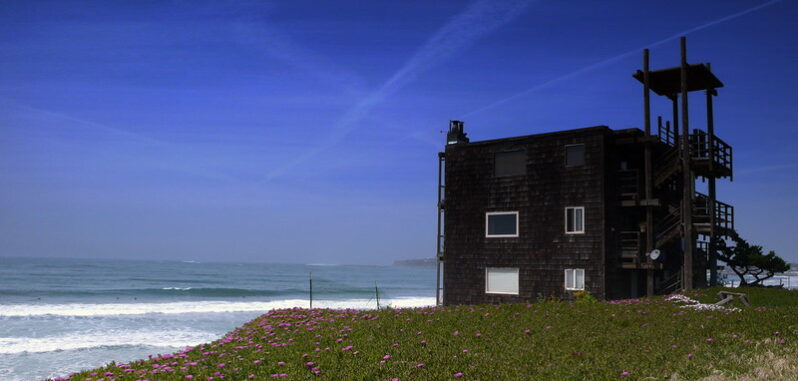
“We’re in this dilemma of figuring out, how do you convince the community to move?” said (Gary) Griggs.
Mirada Road is a small cul-de-sac that runs right up to the edge of the Pacific Ocean, skirting the rim of a 30-foot bluff. The townhomes on this street, which is located in Half Moon Bay, California, are separated from the sea by nothing but a pedestrian walking trail on a beach that is eroding a few inches every year…
Cities Are Rapidly Reclaiming Land at Risk of Extreme Sea Level Rise – Hakai

As the sea rises and the population booms, builders around the world are in a race to transform coastal bays and shallow seas into new land. Yet don’t mistake this rush of land reclamation as a response to the challenges we face. “It’s built for rich people,” explains Dhritiraj Sengupta, a physical geographer at England’s University of Southampton. Sengupta’s latest research shows there’s been a huge increase in the use of reclaimed land for luxury hotels, shopping areas, and high-end living spaces—developments designed to boost a city’s global reputation…
Sea level rise looms, even for the best-prepared country on Earth – MONGABAY
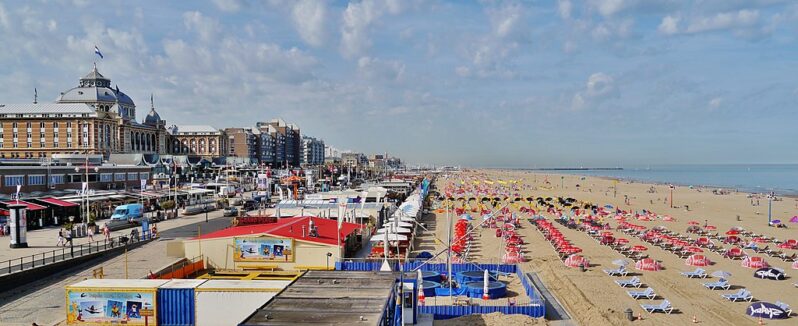
With more than a quarter of its land below sea level, the Netherlands has been going to great lengths to protect itself from the impacts of climate change, including sea level rise and extreme weather events like heavy rain. But even with the wealth and experience to address these issues, the future remains uncertain, mainly because a range of possible scenarios could play out after 2050…A misty rain blows against my face as I follow Farah Obaidullah along Scheveningen Beach in the northwest part of The Hague. Despite the wind and drizzle, the shoreline feels calm. Gray waves roll into the sand like long, deep breaths. Machines have raked the beach into a well-manicured carpet of grains and shell fragments…
In the wake of historic storms, Māori leaders call for disaster relief and rights – Grist Magazine
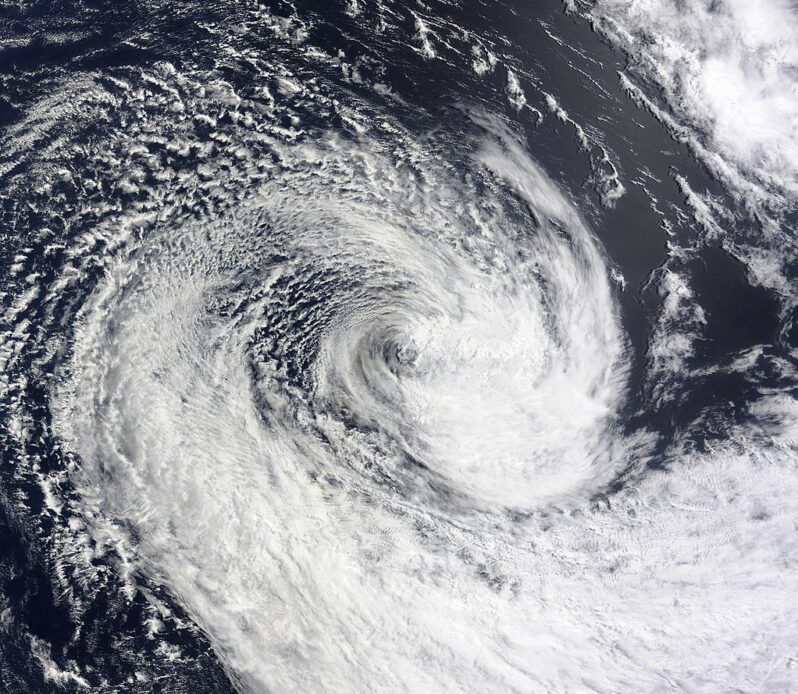
In the wake of historic storms, the Māori say New Zealand must center Indigenous peoples in climate disaster plans…“Because climate events have gotten more and more intense, it’s at a point of our communities will either get wiped out through more storms or have to choose to leave their homelands,” Renee Raroa, a Ngati Porou Māori representative from Mana Taiao Tairāwhiti in eastern New Zealand, said. “We’re running out of options…”
Volcano? Climate change? Bad luck? – the Los Angeles Times
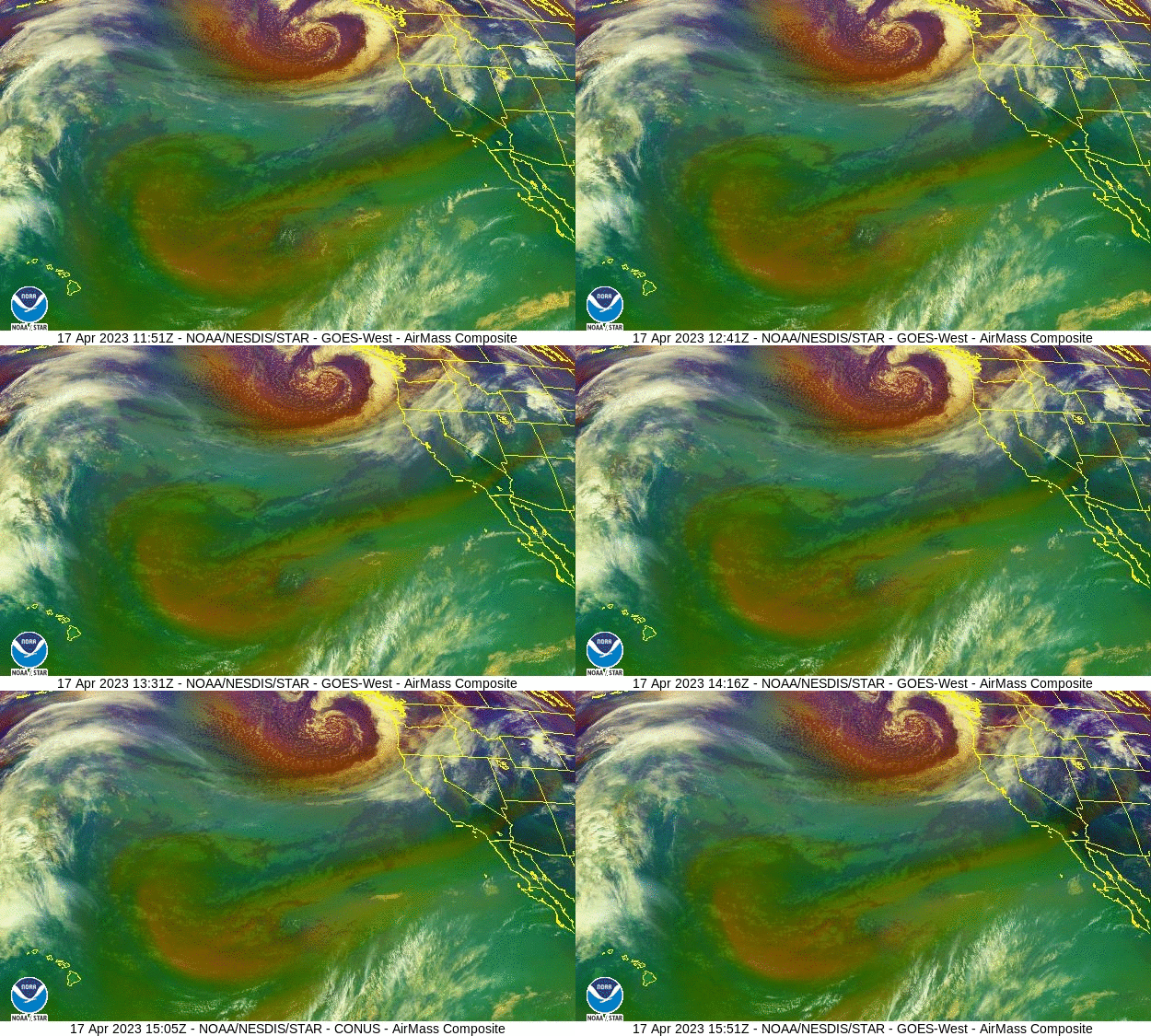
As winter approached, few anticipated what was about to hit California. Mired in a serious drought, the state was suddenly battered by an onslaught of 31 atmospheric river storms in a matter of months. While the number alone isn’t exceptional, the location, intensity and duration of these storms had a transforming effect on California’s climate. Record snowfall. Deadly flooding…But one thing remains a mystery: Why did so many of these bands of water vapor, many back-to-back, slam into California?
Climate Change Enables the Spread of a Dangerous Flesh-Eating Bacteria in US Coastal Waters, Study Says – Inside Climate News
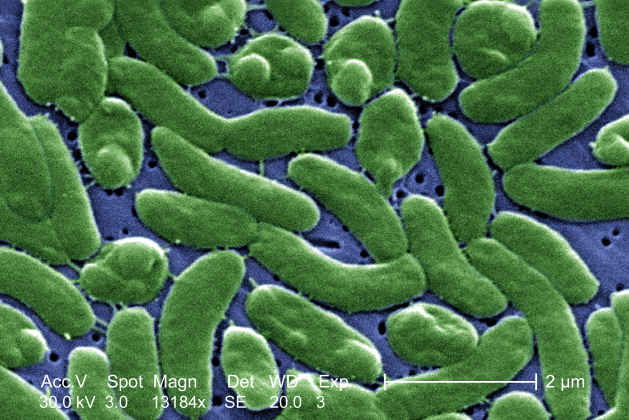
Cases of a potentially fatal infection from a seawater-borne pathogen have increased off the U.S. Atlantic coast as ocean waters warmed over the last 30 years, and are expected to rise further in future because of climate change, according to a study published on Thursday by Scientific Reports, an open-access journal for research on the natural sciences and other topics…
American cities want to recycle their plastic trash in Mexico. Critics call it ‘waste colonialism.’ – the Grist

Just ahead of this year’s Super Bowl in February, the City of Phoenix, Arizona, published a peculiar press release touting its strategy for waste diversion. Thanks to its relationship with Direct Pack Incorporated, a multinational company that makes and recycles plastic, the city said it would be able to send much of its plastic waste to Mexico for recycling…