
Researchers create hydrogen fuel from seawater
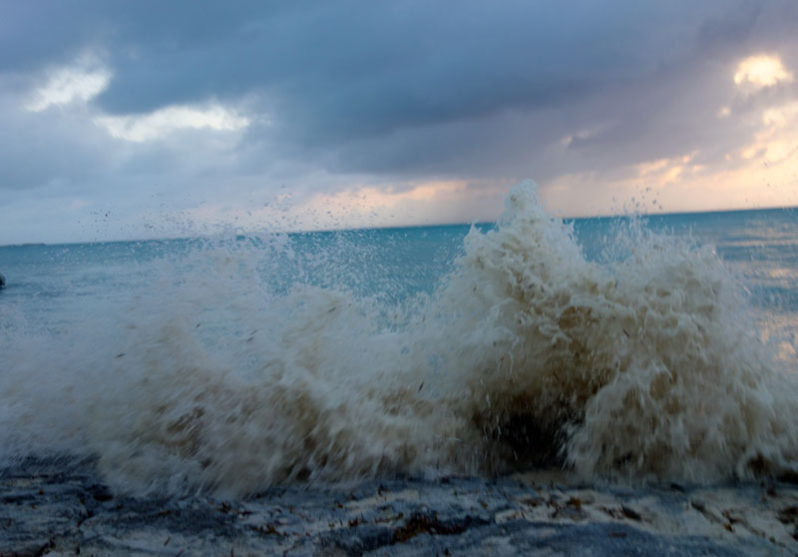
Stanford researchers have devised a way to generate hydrogen fuel using solar power, electrodes and seawater – Earth’s most abundant source – for chemical energy.
Why Cyclone Idai was so destructive
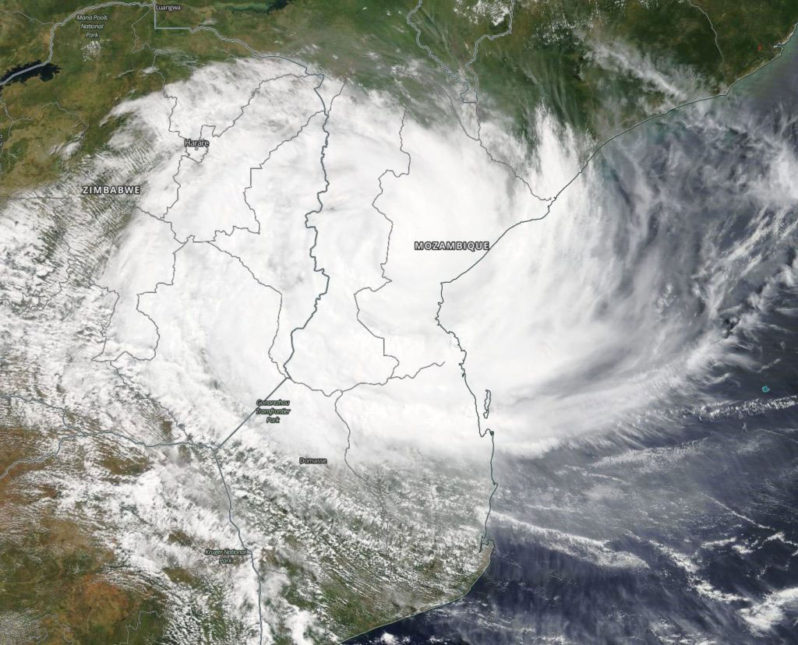
The storm that battered Mozambique and its neighbors in Africa followed a winding path.
Dead whale found with 40 kilograms of plastic bags in its stomach
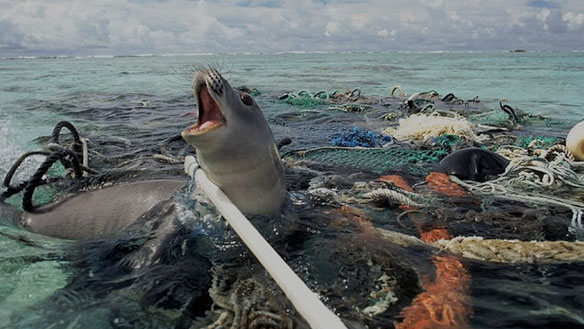
A young whale whose carcass washed up in the Philippines died of “dehydration and starvation” after consuming 40 kilograms (88 pounds) of plastic bags, scientists have found.
Sharp rise in Arctic temperatures now inevitable – UN
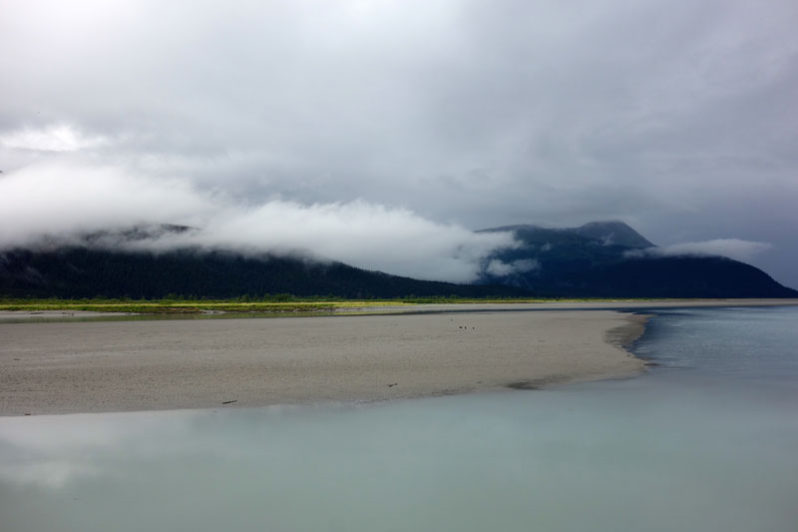
Sharp and potentially devastating temperature rises of 3C to 5C in the Arctic are now inevitable even if the world succeeds in cutting greenhouse gas emissions in line with the Paris agreement, research has found.
People Are Picking Up Trash in Parks and Beaches for the ‘Trashtag Challenge’
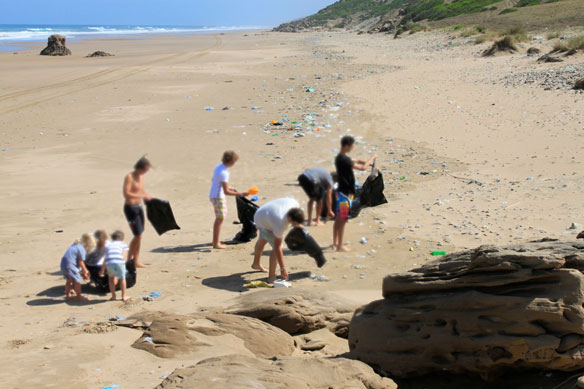
It may seem there is a new viral hashtag every day on social media, but the #trashtag challenge is a trend with a greener purpose — its users are cleaning up the planet. Tens of thousands of people have caught on to the trend over the years.
Coca-Cola admits it produces 3m tonnes of plastic packaging a year
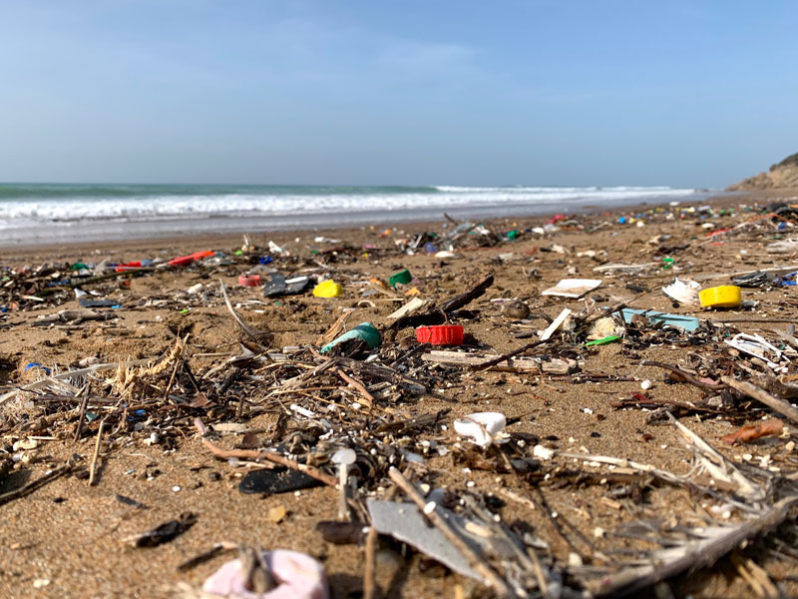
Coca-Cola has revealed for the first time it produces 3m tonnes of plastic packaging a year – equivalent to 200,000 bottles a minute – as a report calls on other global companies to end the secrecy over their plastic footprint.
Shore fix in Cane unlikely to last, experts say, BVI
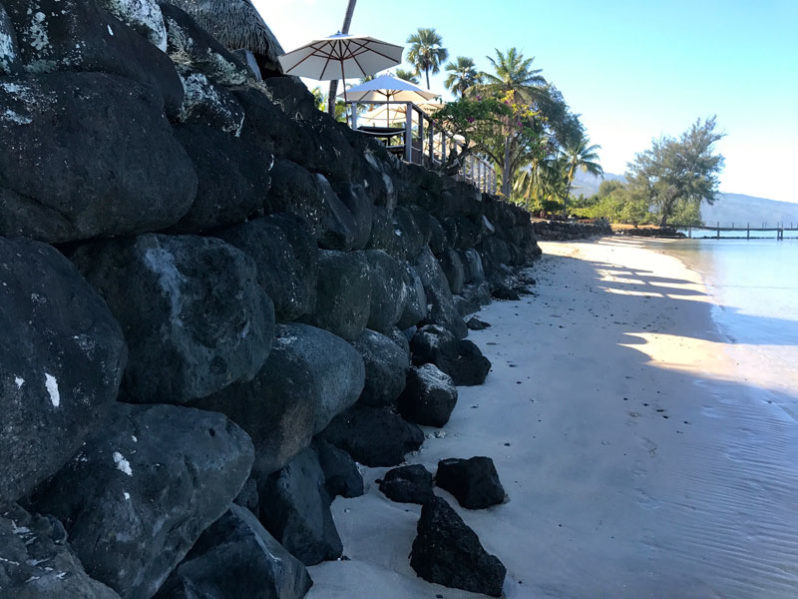
About a month ago, excavations began along the beach in the north end of Cane Garden Bay as part of a government project designed to protect a shoreline that slips further into the sea with each heavy swell. But two United States experts said that the method being used — stone-filled wire cages known as gabion baskets — probably won’t last long.
Tropical Species Moved Hundreds of Miles North During Marine Heatwave
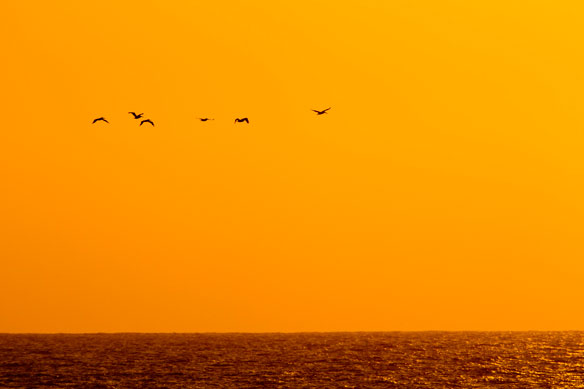
Between 2014 and 2016, parts of the eastern Pacific Ocean warmed as much as 7 degrees Fahrenheit above average during what has been characterized as the worst marine heatwave on record. During the event, scientists began discovering a record number of tropical sea species along the northern California and Oregon coasts, more than 700 miles north of their usual range.
Fatal horizon, driven by acidification, closes in on marine organisms in Southern Ocean
Marine microorganisms in the Southern Ocean may find themselves in a deadly vise grip by century’s end as ocean acidification creates a shallower horizon for life. The steep drop, which could happen suddenly over a period as short as one year in localized areas, could impact marine food webs significantly and lead to cascading changes across ocean ecosystems.