
The women fighting a pipeline that could destroy precious wildlife
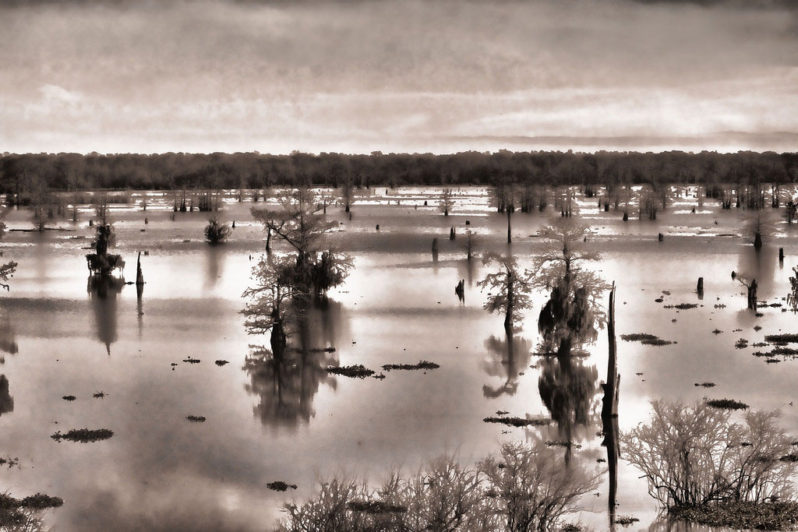
Activists fight to stop construction of the Bayou Bridge pipeline, which endangers an ecosystem that is one of the most important bird habitats in the western hemisphere.
To Hold Warming to 1.5 Degrees, Study Says Nations Must Stop Building New Fossil Fuel Infrastructure Immediately
If nations commit immediately not to replace fossil fuel infrastructure as it reaches the end of its expected lifetime, the world would have a 64 percent chance of keeping global warming below 1.5 degrees Celsius, according to a new study.
Trump administration expands oil drilling despite shutdown
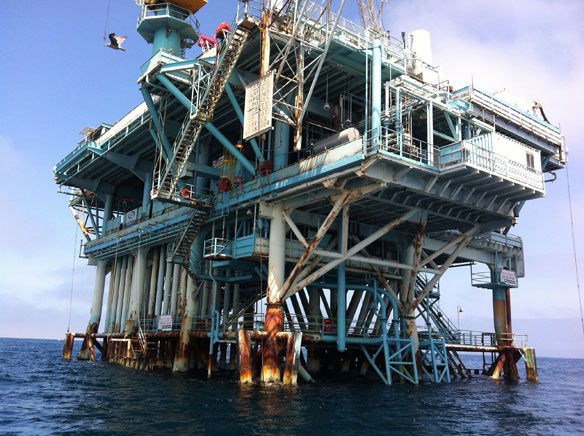
Interior department continues processing permits and moves forward with controversial plan to increase drilling in the Arctic.
Argentina: The Atlantic Coast loses two meters of beach per year
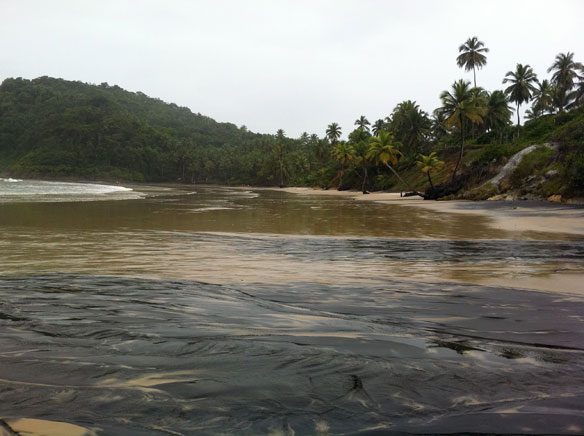
It happens in the main beaches of Buenos Aires, due to the erosion, generated by the loss of dunes, urban intervention, with walls of cement, coastal roads, the afforestation of the dunes and the theft of sand for constructions.
Oceans are warming dramatically faster, new study warns

Since 1970, the ocean has warmed 40 percent more than previous estimates, according to new study that finds the world’s oceans are warming significantly faster than previously thought.
Why more female penguins are washing up dead in South America
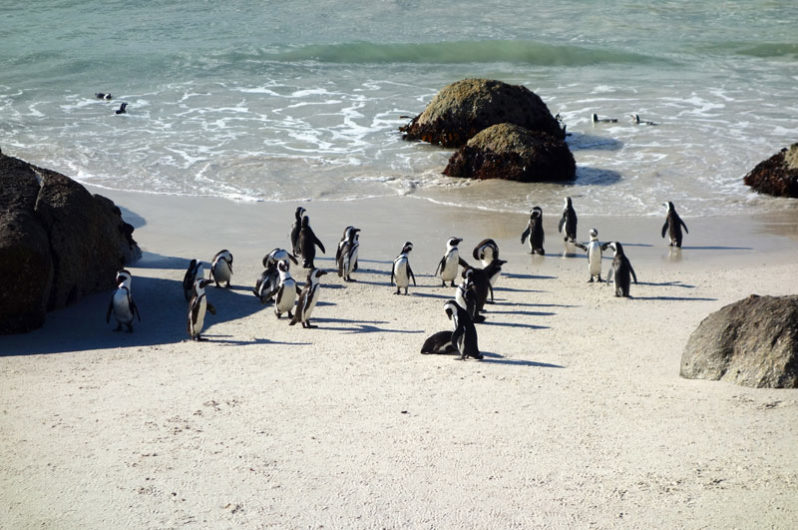
Every year, thousands of penguins become stranded on South America’s coast – with females three times more likely to wash up dead or injured than males.
Sunscreen and cosmetics compound may harm coral by altering fatty acids
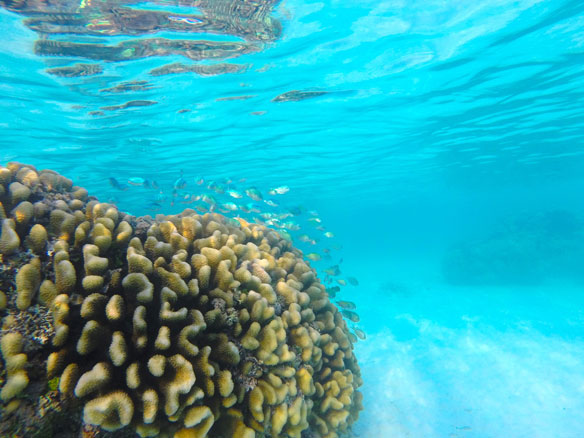
Researchers say that one such chemical, octocrylene (OC), which is also in some cosmetics and hair products, accumulates in coral as fatty acid esters that could be toxic to the marine organism.
Carbon emissions up as Trump agenda rolls back climate change work
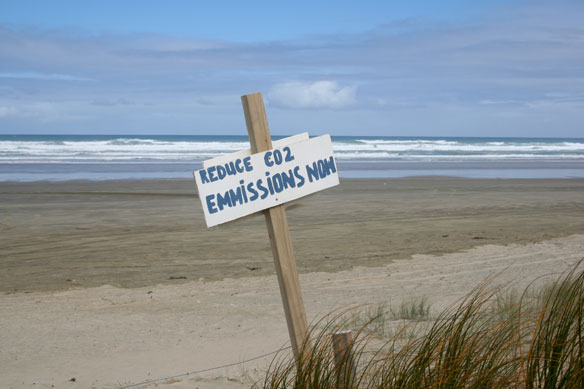
Last year’s 3.4% jump in emissions is the largest since 2010 recession and second largest gain in more than two decades.
Sprouting Mangroves Restore Hopes in Coastal Myanmar
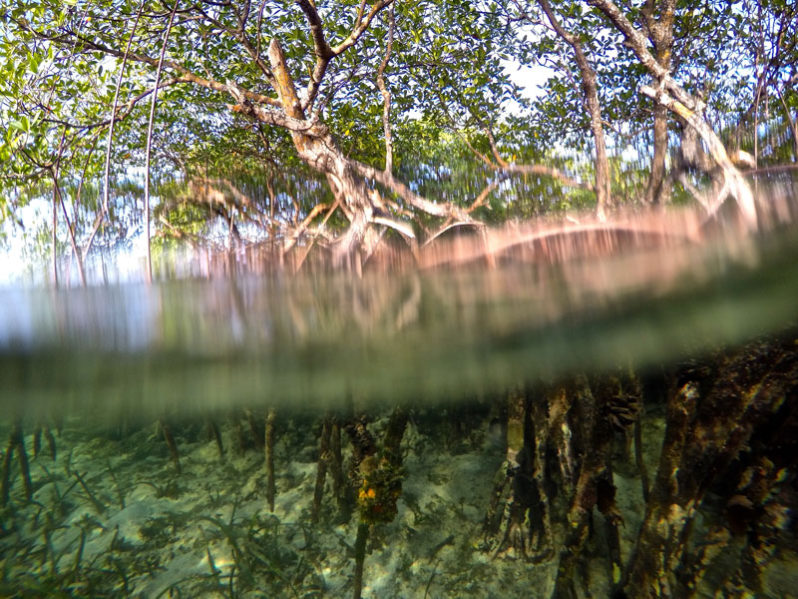
In most places, mangrove forest’s density is wafer thin thanks to rampant clearing of the mangroves for space to breed shrimps and for firewood etc. According to a recent study, Myanmar loses about 21 square km of its mangrove forests each year. But thanks to restoration efforts, the story is changing.