
Glacial melts in the Canadian Arctic reveal land that hasn’t been seen in more than 40,000 years
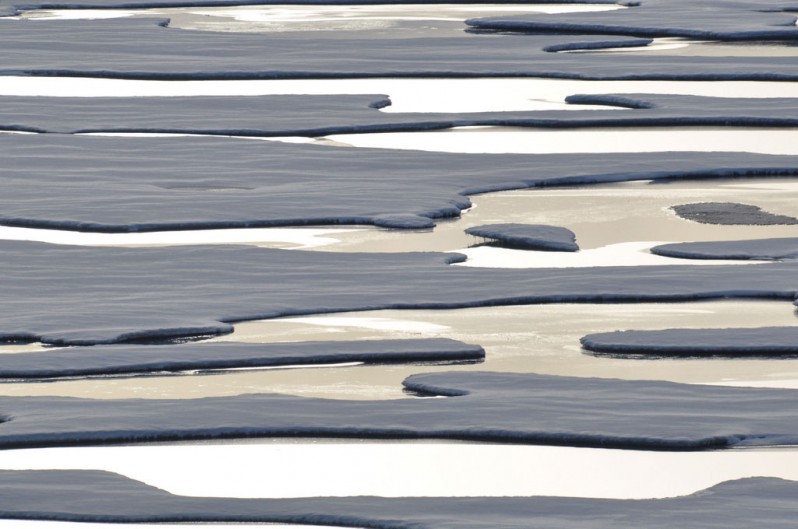
Melting ice is exposing hidden landscapes in the Canadian Arctic that haven’t been seen in more than 40,000 years, new research published in Nature Communications reveals.
Extreme weather and geopolitics major drivers of increasing ‘food shocks’
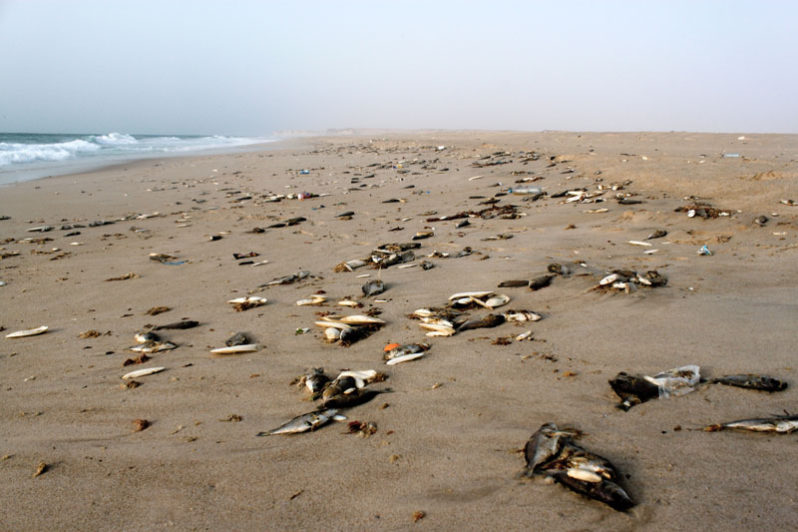
The research, published in the journal Nature Sustainability, identified 226 food production shocks across 134 nations over the 53-year period, noting an increasing frequency of shocks across all sectors on a global scale.
Climate change reshaping how heat moves around globe
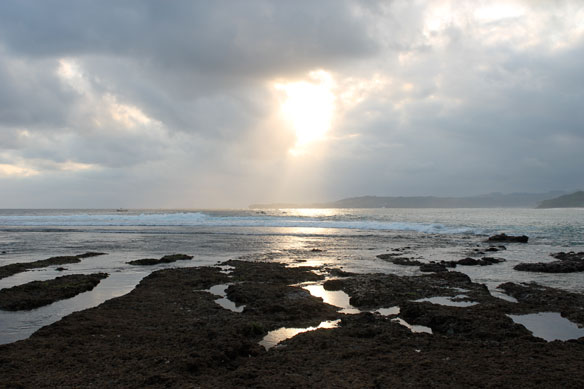
The Earth’s atmosphere and oceans play important roles in moving heat from one part of the world to another, and new research is illuminating how those patterns are changing in the face of climate change.
Bali Proposes a Tourist Tax to Clean Up Plastic Pollution
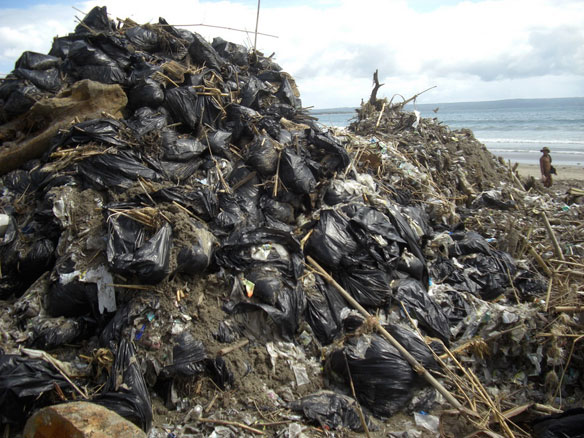
Bali is considering taxing foreign tourists to tackle the Indonesian island’s mounting plastic pollution problem. Bali receives about 6 million visitors annually, mostly from China and Australia.
Climate change tipping point could be coming sooner than we think
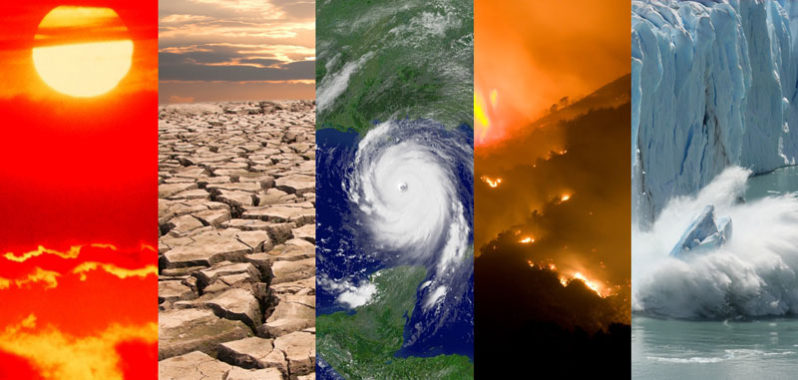
A new study confirms the urgency to tackle climate change. While it’s known that extreme weather events can affect the year-to-year variability in carbon uptake. this study is the first to actually quantify the effects through the 21st century.
North American glaciers melting much faster than 10 years ago – study
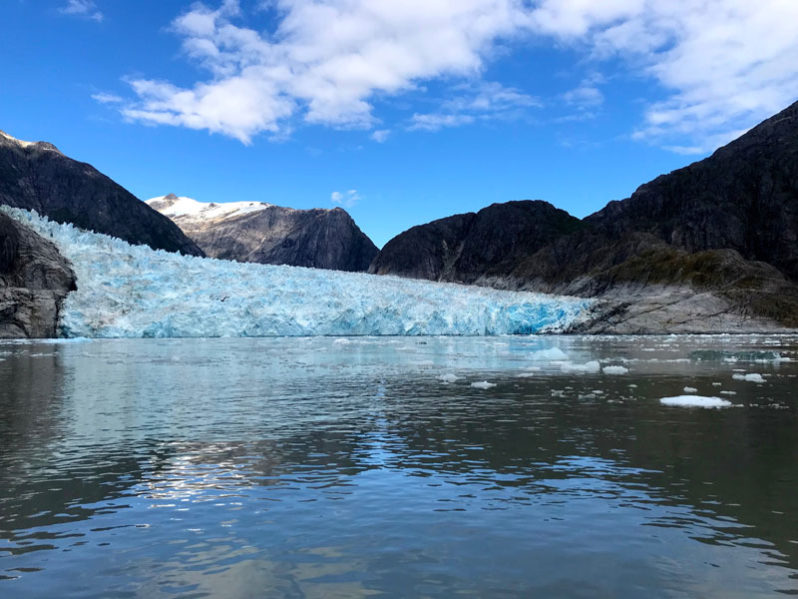
Glaciers in western North America, excluding Alaska, are melting four times faster than in the previous decade, with changes in the jet stream exacerbating the longer-term effects of climate change, according to a new study.
Renewables Could Surpass Fossil Fuels in Britain by 2020

Britain will get more of its electricity from renewable energy sources than fossil fuels as early as next year, according to a new report from the energy analysts group.
5 billion Dubai megaresort rises from The World
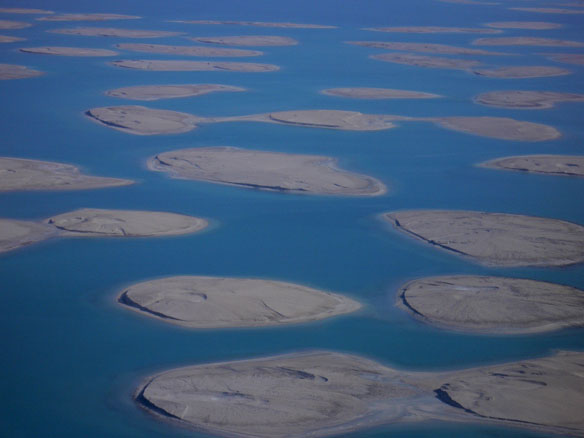
Four kilometers off the Dubai coastline lies Europe. Or a version of it, at least. Comprising six man-made islands styled after a mix of European countries and cities, when completed this $5 billion megaproject will be able to accommodate 16,000 tourists in the height of travel luxury.
Q&A: Designing a better local tsunami warning system
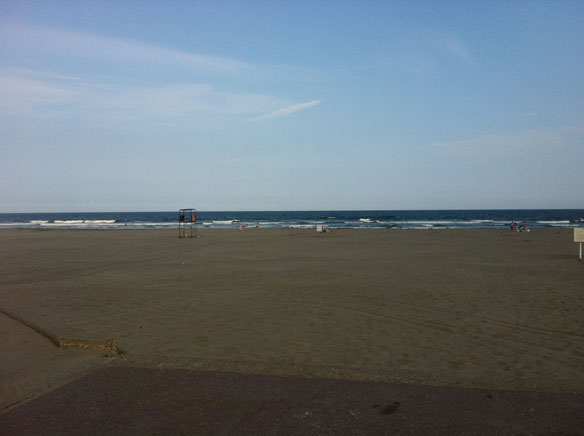
New research by scientists at Stanford Earth, describes a new method designed specifically for local early tsunami warnings. That means warning coastal residents that a tsunami wave generated 50 or 100 miles offshore is coming in the next 20 to 30 minutes.