
Elephant seals take over beach left vacant by US shutdown
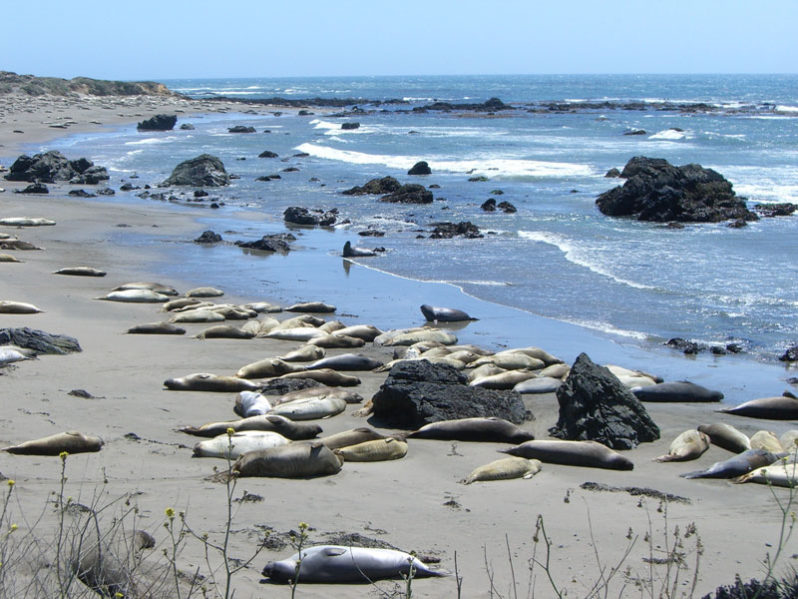
An understaffed stretch of California coastline has new residents: nearly 100 elephant seals and their pups.
Factors in ‘alarming rate’ of cold-stranded sea turtles in Cape Cod Bay
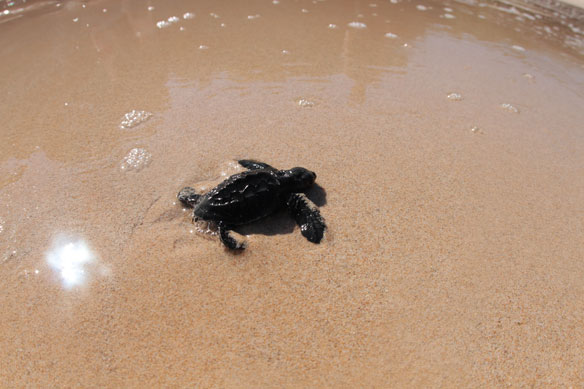
A recent study looked into what variables are most important in predicting the number of cold-stunning and stranding events among juvenile Kemp’s ridley sea turtles in Cape Cod Bay.
Huge Cavity in Antarctic Glacier Signals Rapid Decay
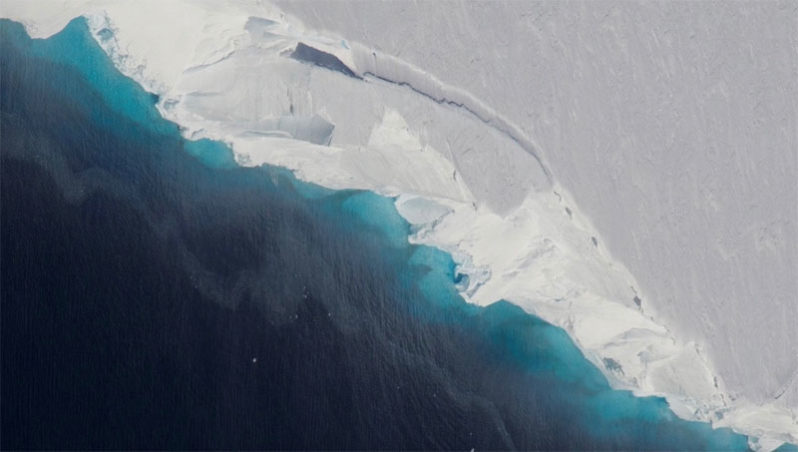
A gigantic cavity – two-thirds the area of Manhattan and almost 1,000 feet (300 meters) tall – growing at the bottom of Thwaites Glacier in West Antarctica is one of several disturbing discoveries reported in a new NASA-led study of the disintegrating glacier.
A Special Beach: Nauthólsvík Geothermal Beach, Iceland; By Norma J. Longo & Orrin H. Pilkey
Iceland is a land of black beaches, usually with a large gravel component. But one Icelandic beach near Reykjavík is different.
Mussels lose grip when exposed to microplastics – study

Researchers say effects will be felt beyond molluscs as reefs shelter other marine life
A Pragmatic Shift Needed, to Deliver the Potential of Blue Economy
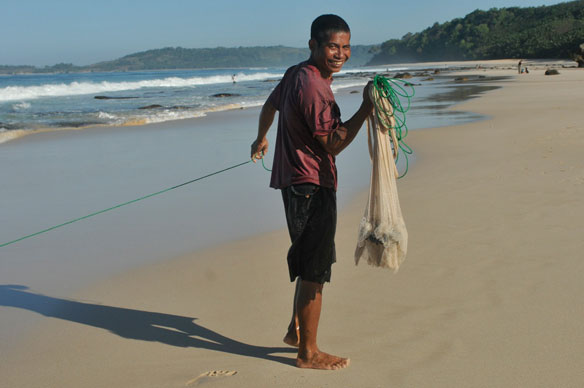
It’s estimated that 70% of the Earth’s surface is covered by water. Unfortunately, our water resources are under serious threats attributable to uncontrolled human activities that are severely impacting livelihoods and the ecosystem.
Glacial melts in the Canadian Arctic reveal land that hasn’t been seen in more than 40,000 years
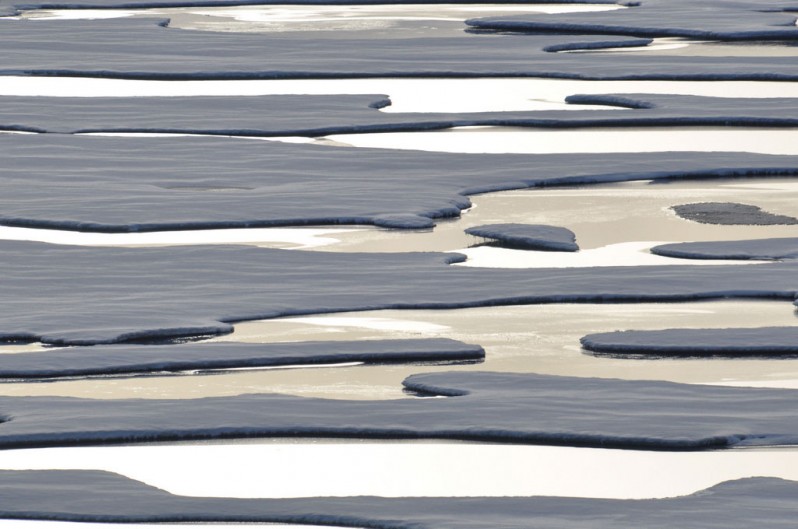
Melting ice is exposing hidden landscapes in the Canadian Arctic that haven’t been seen in more than 40,000 years, new research published in Nature Communications reveals.
Extreme weather and geopolitics major drivers of increasing ‘food shocks’
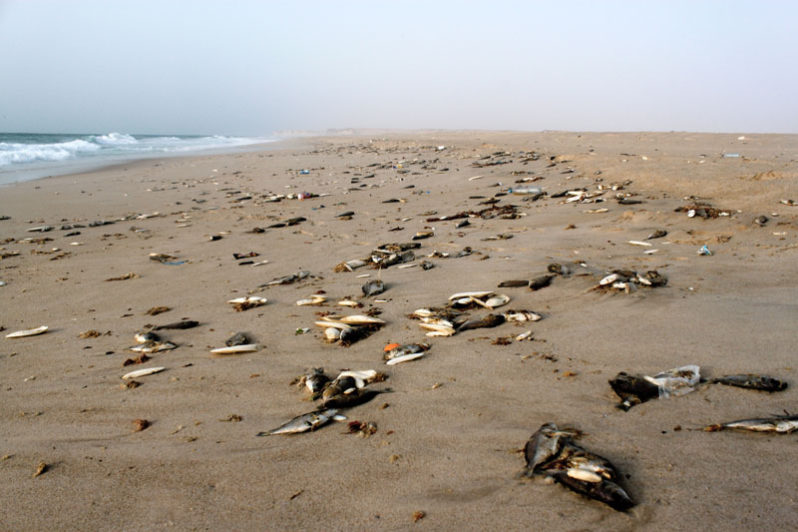
The research, published in the journal Nature Sustainability, identified 226 food production shocks across 134 nations over the 53-year period, noting an increasing frequency of shocks across all sectors on a global scale.
Climate change reshaping how heat moves around globe
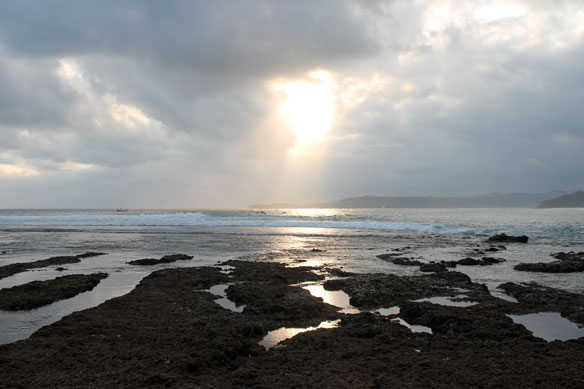
The Earth’s atmosphere and oceans play important roles in moving heat from one part of the world to another, and new research is illuminating how those patterns are changing in the face of climate change.