
Finding a Way Back to ‘Perfect Beach’ – the New York Times
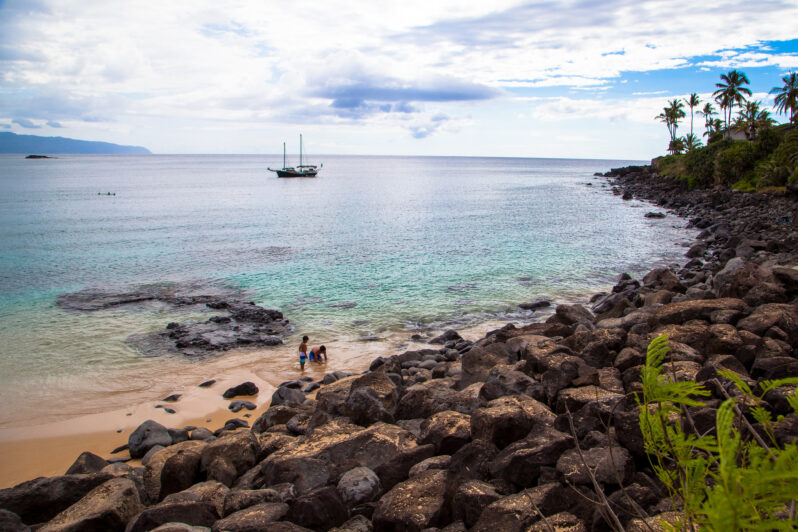
On the northern coast of Puerto Rico — about an hour’s drive west of San Juan, off a wisp of a road threaded through dense green foliage — there exists a long, empty beach that has haunted my dreams for years. On Google Maps, it appears as Punta Caracoles Beach, but I have always thought of it as Perfect Beach…
Record-setting storm wallops East Coast with flooding, high winds – the Washington Post
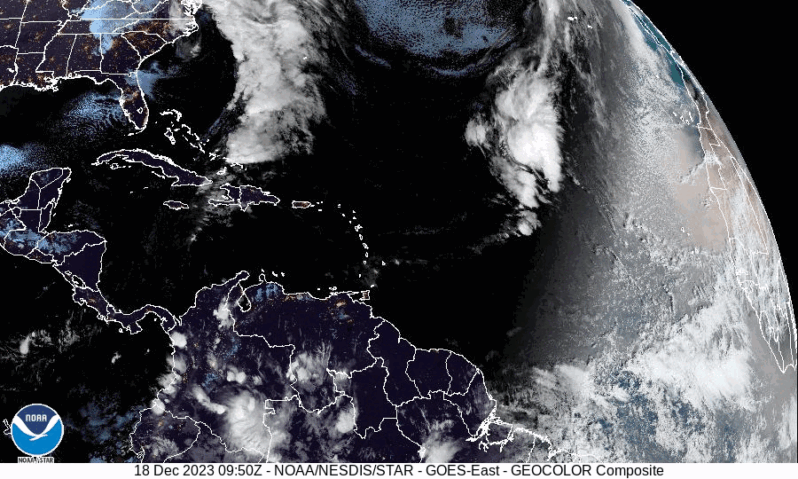
A historically intense December coastal storm is blasting the Northeast on Monday after unleashing heavy rainfall, coastal flooding and high winds from Florida to the Mid-Atlantic. More than 700,000 customers had no power midday Monday as gusts surpassed 60 mph in many locations in eastern New England…
Long Story Shorts: What Is a Core Sample? – Hakai Institute
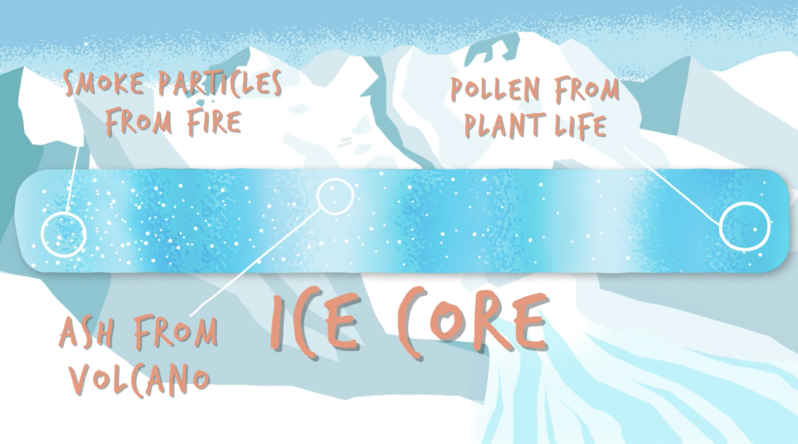
Have you ever wanted to go back in time— just to see what it was like? Well, scientists have figured out how …sort of… Watch this video to find out how tree, ice, and sediment cores can tell us all sorts of things about the past…
Can the tourism industry survive the climate crisis? – the Guardian
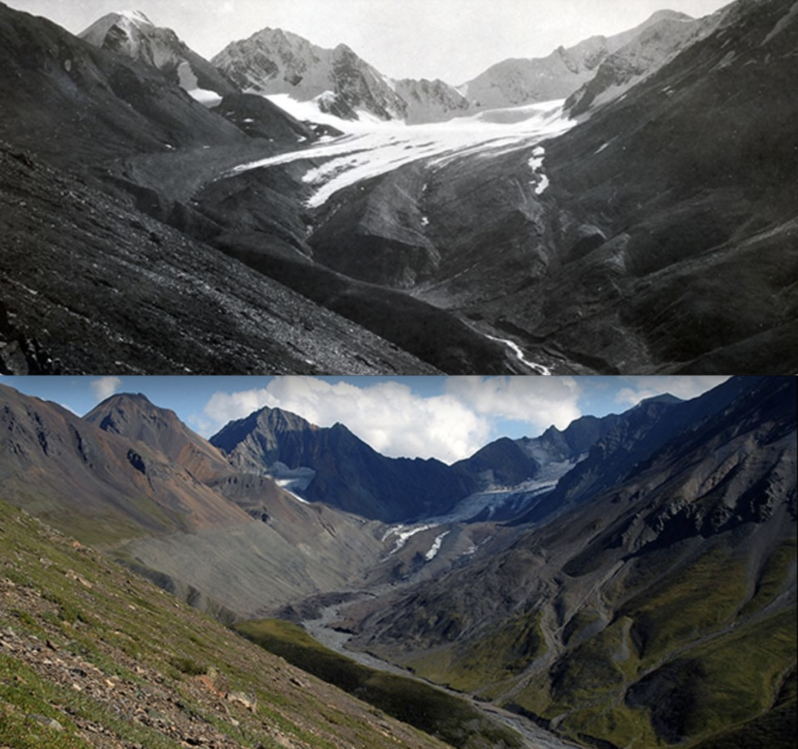
From the Solomon Islands to Denali national park, how five communities reliant on tourism are coping as climate change upends their industry…One of the terrible ironies of the climate crisis is that some of the most beautiful – and popular – places in the world are also the most vulnerable. Which means as temperatures rise, extreme weather events increase, water sources dry up and natural habitats die, these places are facing another devastating loss: tourists…
The World’s Fastest-Sinking Megacity Has One Last Chance to Save Itself – Bloomberg
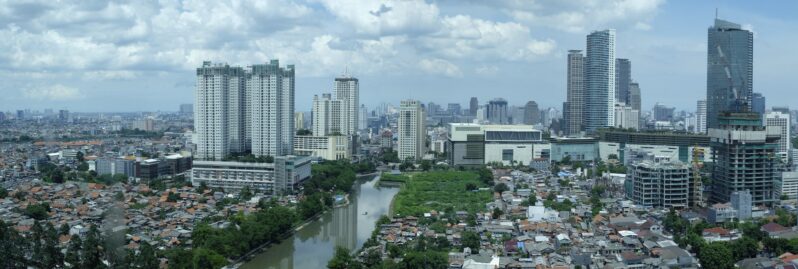
Venice is sinking. So are Rotterdam, Bangkok and New York. But no place compares to Jakarta, the fastest-sinking megacity on the planet. Over the past 25 years, the hardest-hit areas of Indonesia’s capital have subsided more than 16 feet. The city has until 2030 to figure out a solution, experts say, or it will be too late to hold back the Java Sea…
Earth on verge of five catastrophic climate tipping points, scientists warn – the Guardian

Humanity faces ‘devastating domino effects’ including mass displacement and financial ruin as planet warms…“Tipping points in the Earth system pose threats of a magnitude never faced by humanity,” said Tim Lenton, from the University of Exeter’s Global Systems Institute. “They can trigger devastating domino effects, including the loss of whole ecosystems and capacity to grow staple crops, with societal impacts including mass displacement, political instability and financial collapse…”
Ecosystems as Infrastructure: A New Way of Looking at Climate Resilience – Yale Environment 360

Landscape architect Kate Orff works on rebuilding natural systems to help communities and cities reduce their climate risks. Places with interwoven ecological systems, she says, are more resilient and better able both to respond to emergencies and adapt for the future….
Long Story Shorts: How Do Invasive Species Take Over? – Hakai Institute

Invasive species start as strangers in a strange land but over time come to dominate their new homes. The ocean has played host to some of the most prolific of these infiltrations of our time. So just how are these marine invaders able to adapt and thrive in new neighborhoods?
A disappearing island: ‘The water is destroying us, one house at a time’ – NPR
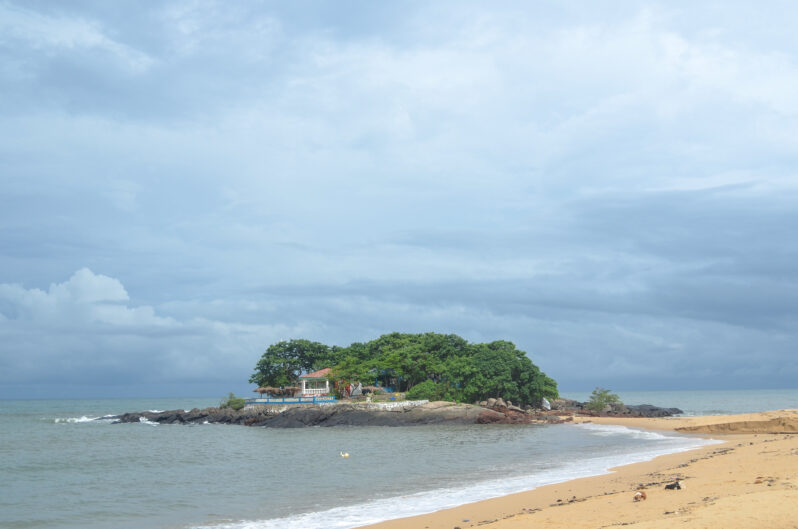
With nearly a third of its population living in coastal areas, and its heavy reliance on subsistence agriculture and fishing, Sierra Leone has been identified as one of the world’s most vulnerable countries to the impacts of climate change, despite having contributed just a tiny fraction of global CO2 emissions. With a GDP per capita of barely $2,000, it is also one of the least prepared to deal with those impacts….