
Sea-level variability to increase with ocean warming
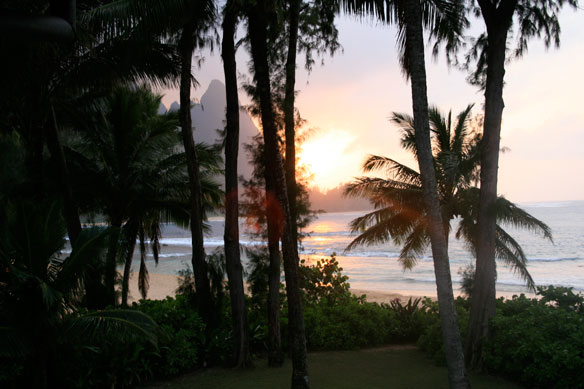
A global tendency for future sea levels to become more variable this century as oceans warm, due to increasing greenhouse gas emissions was identified by a team of researchers at the University of Hawaiʻi.
There is at least 10 times more plastic in the Atlantic than previously thought
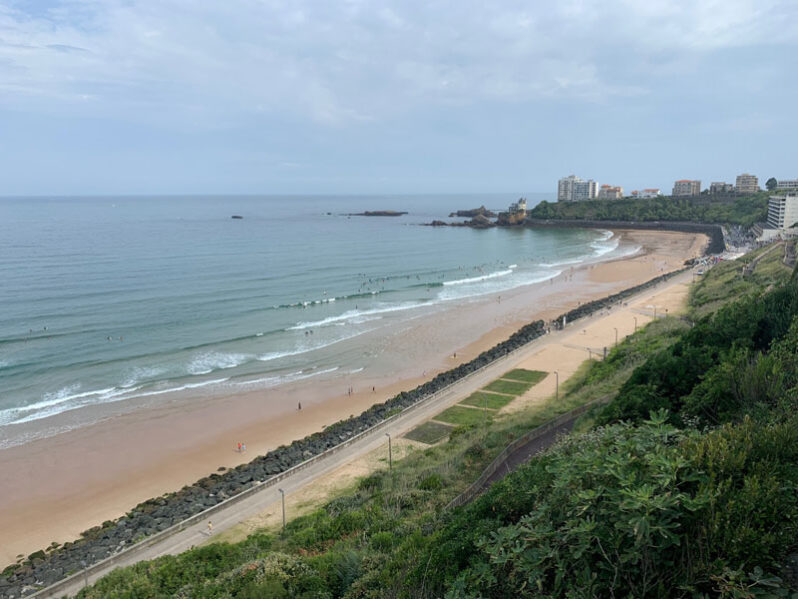
The mass of ‘invisible’ microplastics found in the upper waters of the Atlantic Ocean is approximately 12- 21 million tons, according to new research.
Some California cities think they’re safe from sea level rise. They’re not, new research shows
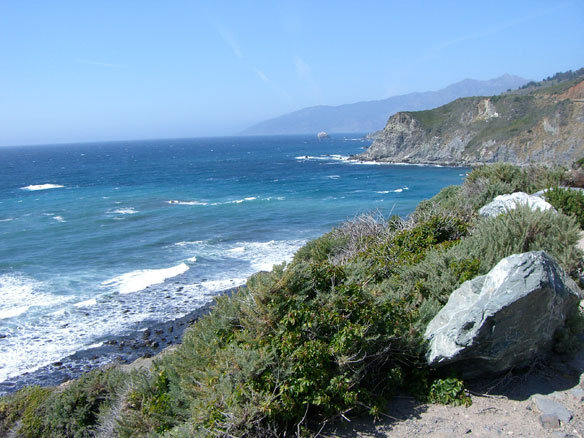
Sea level rise is a lot more complicated than just waves breaking over seawalls and beaches disappearing.
Trump Opens Arctic Refuge to Polluters
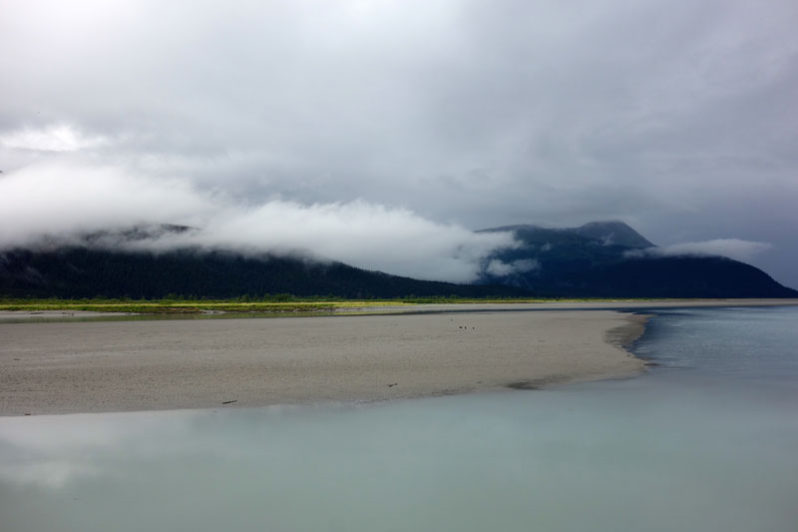
The Interior Department is opening up the entire Coastal Plain of the refuge to polluters—at the expense of Indigenous peoples’ traditional ways of life, numerous wildlife species, and the climate.
A cargo ship leaking tons of oil off the Mauritius coast has split in two
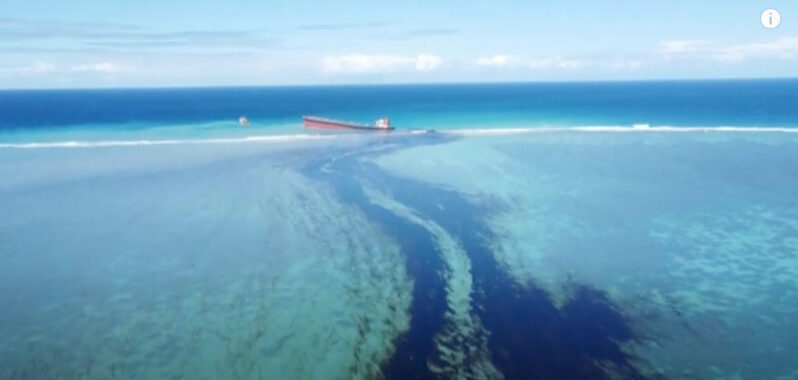
A ship that has leaked more than 1,000 tonnes of oil in pristine waters off the coast of Mauritius has split in two.
Researchers identify human influence as key agent of ocean warming patterns in the future
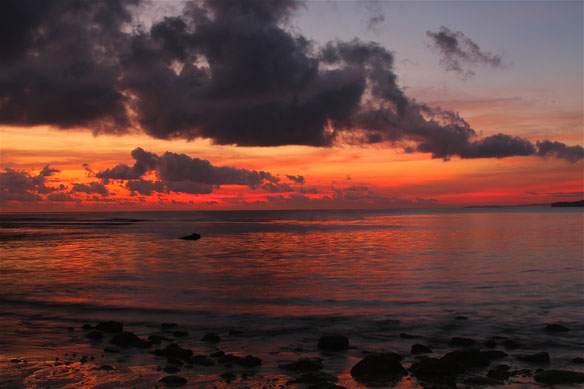
The oceans play an important role in regulating our climate and its change by absorbing heat and carbon.
Scientists reveal long-term cumulative effects of frequent green tides in coastal oceans
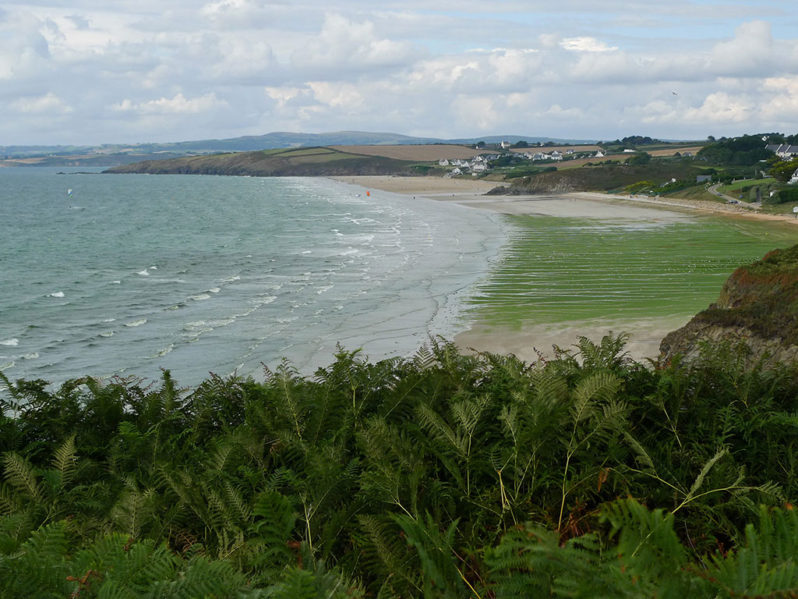
The world’s largest green tide caused by Ulva prolifera has been occurring continually in the Yellow Sea, China, for more than 10 years. It has become a serious marine ecological disaster.
Warming Greenland ice sheet passes point of no return
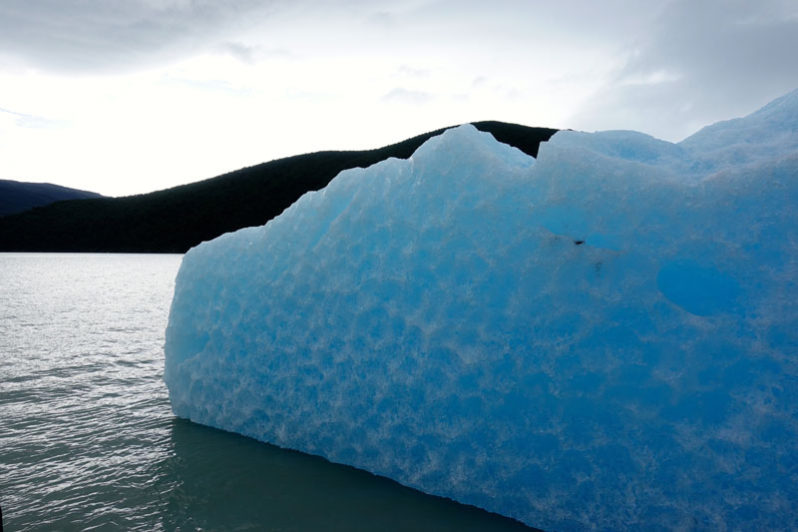
Nearly 40 years of satellite data from Greenland shows that glaciers on the island have shrunk so much that even if global warming were to stop today, the ice sheet would continue shrinking.
Trust nature: The best way to defend deltas against rising seas is with sand and mud
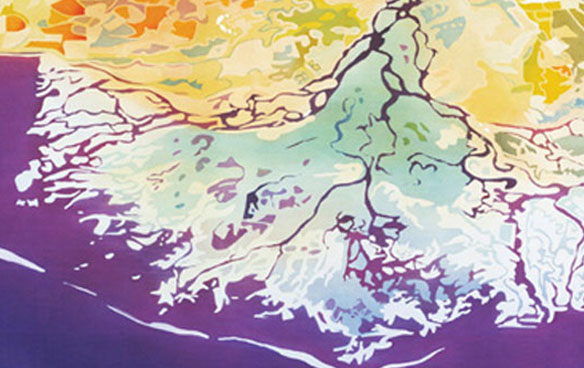
Sediment constantly and naturally replenishes deltas, keeping them — and all the people, fields, industries, cities and wildlife that rely on them — above the water. While scientifically proven, this surprising fact has struggled to gain much traction outside the small world of geomorphologists