
The ship that leaked oil into pristine Mauritian waters could break in two. That would be an environmental catastrophe
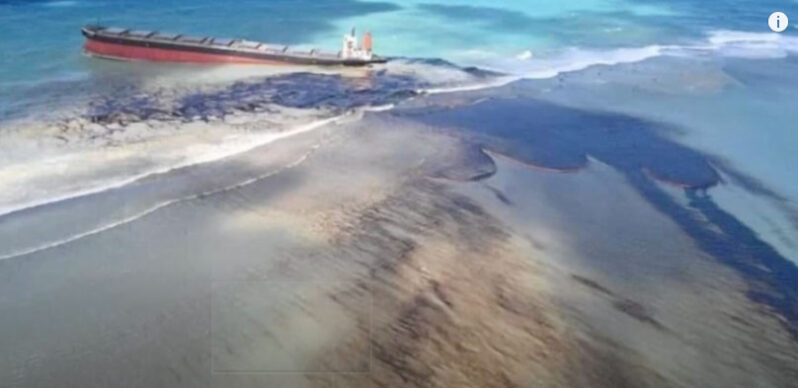
A stricken ship off the coast of Mauritius which has already leaked about 1,000 metric tons of oil into a pristine Indian Ocean lagoon could be about to break in two, experts fear — spelling disaster for the ecologically rich area.
New study warns: We have underestimated the pace at which the Arctic is melting
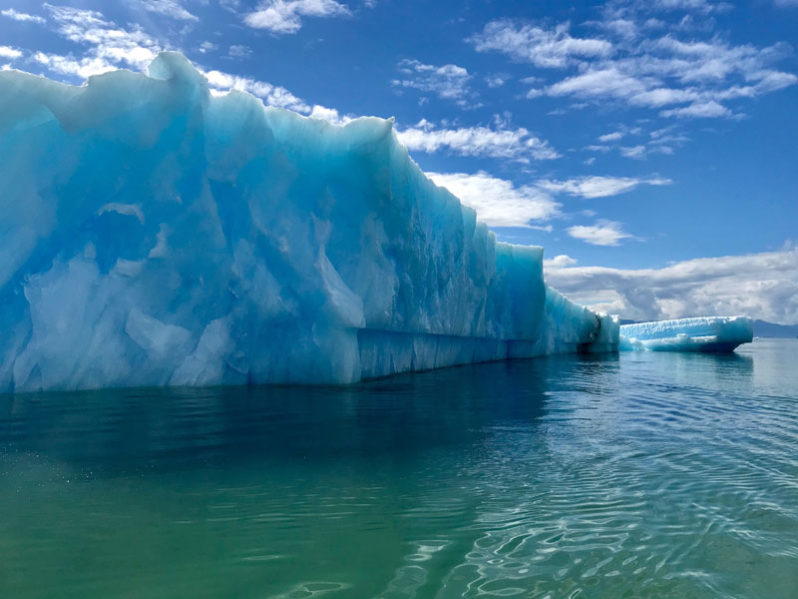
Arctic sea ice is melting more quickly than once assumed. Today’s climate models have yet to incorporate the steep rise in temperatures that have occurred over the past 40 years. This, according to a new study by researchers at the University of Copenhagen and other institutions.
World’s tallest prefab skyscrapers will rise in Singapore — but they’re being built in Malaysia

A pair of skyscrapers are set to become the tallest prefabricated buildings in the world.
More Than 500 Dams Planned in Protected Areas Around the Globe, Study Finds
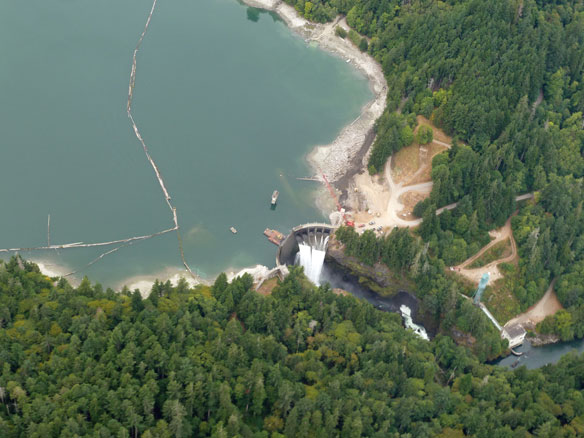
More than 500 dams are planned or already under construction within protected areas around the world, according to a new study published in the journal Conservation Letters. The study is the first of its kind to quantify the global extent of dams constructed in protected areas, which can include indigenous areas, nature reserves, and national parks.
Deep-sea misconceptions cause underestimation of seabed-mining impacts
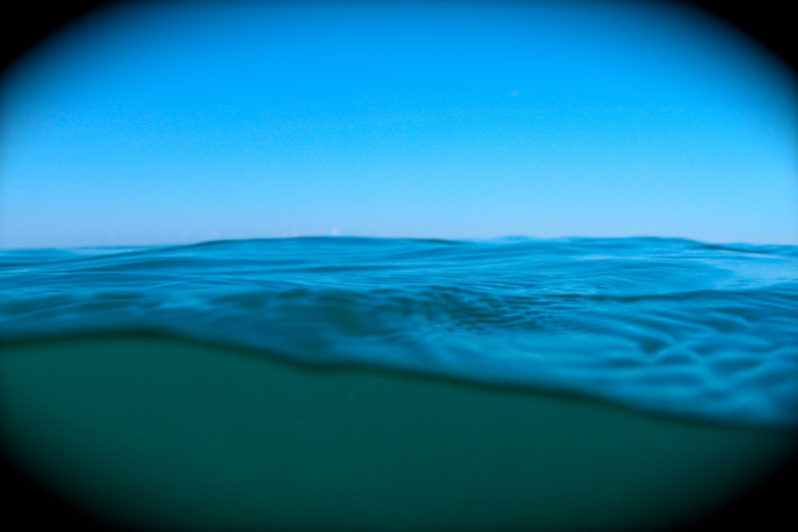
A new publication on the impacts of deep-seabed mining by 13 prominent deep-sea biologists, led by University of Hawai’i at M?noa oceanography professor Craig Smith, seeks to dispel scientific misconceptions that have led to miscalculations of the likely effects of commercial operations to extract minerals from the seabed.
Mauritius declares emergency as stranded ship leaks oil
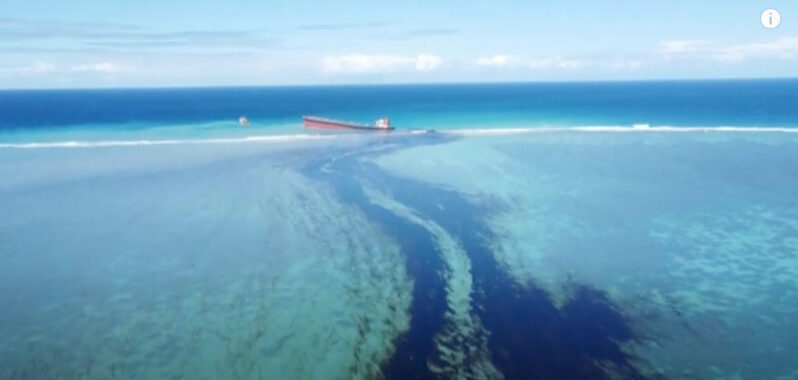
The island nation of Mauritius has declared a “state of environmental emergency” after a vessel offshore began leaking oil into the ocean.
Resort plan for SC barrier island advances with county now saying it’s ‘ecotourism’
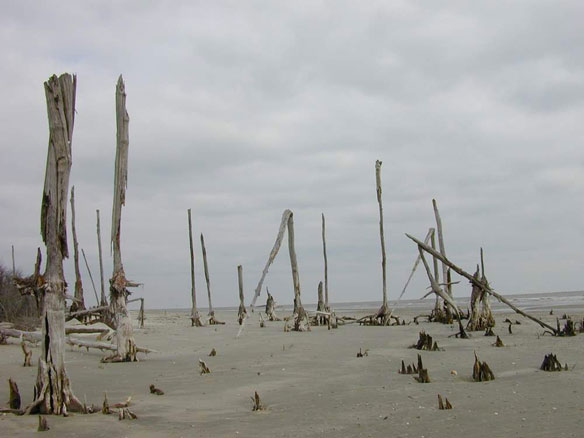
Plans to build a resort on a remote island off South Carolina’s coast took a step forward this week, now with word from Beaufort County staff that the plans can qualify as “ecotourism.”
Greenhouse gas emissions from international shipping increasing
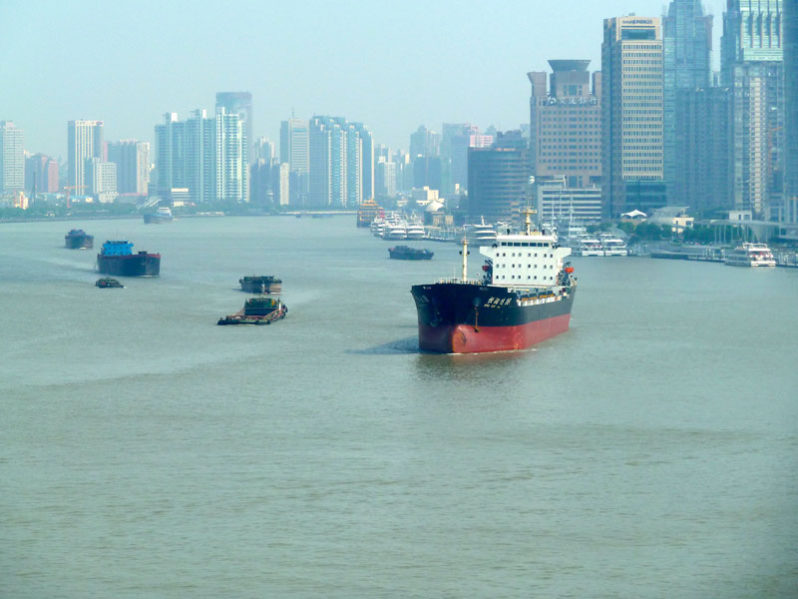
National governments have a much greater responsibility for shipping emissions than previously estimated, finds new UCL-led research.
Mix of contaminants in Fukushima wastewater, risks of ocean dumping
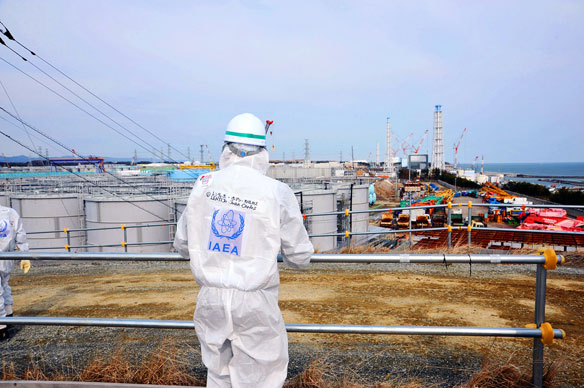
Nearly 10 years after the Tohoku-oki earthquake and tsunami devastated Japan’s Fukushima Dai-ichi Nuclear Power Plant and triggered an unprecedented release radioactivity into the ocean, radiation levels have fallen to safe levels in all but the waters closest to the shuttered power plant.