
As Seas Rise, Tropical Pacific Islands Face a Perfect Storm
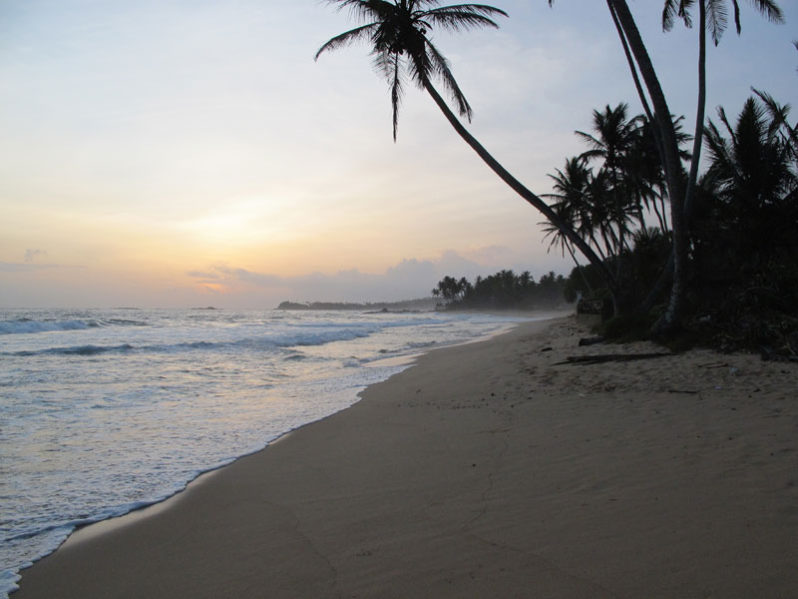
Although they have done little to contribute to global warming, Pacific islanders may face some of the most dire consequences of rising seas. In a Yale e360 interview, geologist Chip Fletcher describes the threats confronting Hawaii and other islands and discusses potential adaptation strategies.
Sea level rise isn’t just happening, it’s getting faster
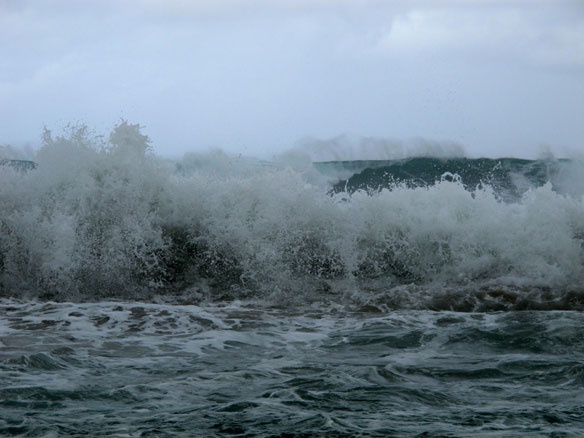
In at least the third such study published in the past year, scientists have confirmed seas are rising, and the rate of sea level rise is increasing as time passes — a sobering punchline for coastal communities that are only now beginning to prepare for a troubling future.
Rising seas could result in 2 billion refugees by 2100
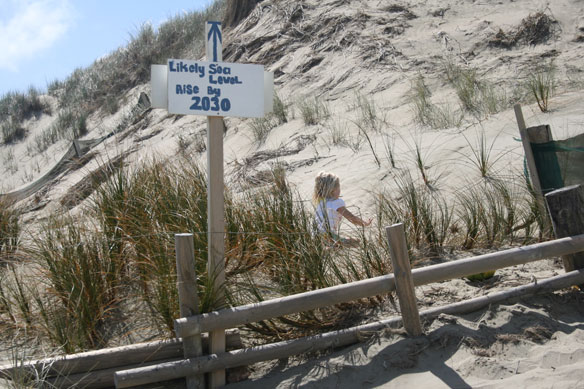
In the year 2100, 2 billion people — about one-fifth of the world’s population — could become climate change refugees due to rising ocean levels. Those who once lived on coastlines will face displacement and resettlement bottlenecks as they seek habitable places inland, according to new research.
The fight against climate change: four cities leading the way in the Trump era
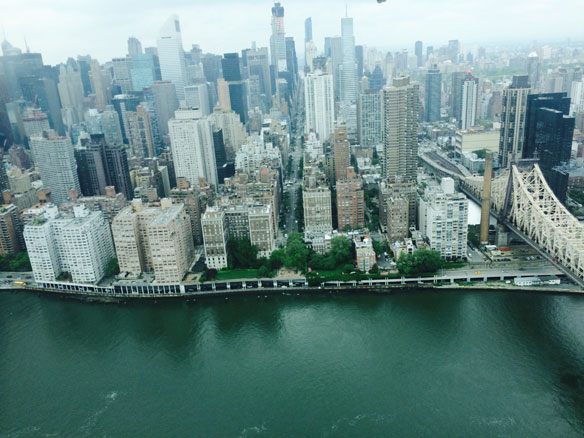
New York City, Houston, Miami and San Francisco have all taken steps to mitigate the risks associated with rising sea levels and global temperatures. Are their successes a blueprint for action at the state and local level?
Marine reserves help mitigate against climate change, say scientists

Highly protected marine reserves can help mitigate against the impacts of climate change, a study by a team of international scientists has concluded.
In Next Decades, Frequency of Coastal Flooding Will Double Globally
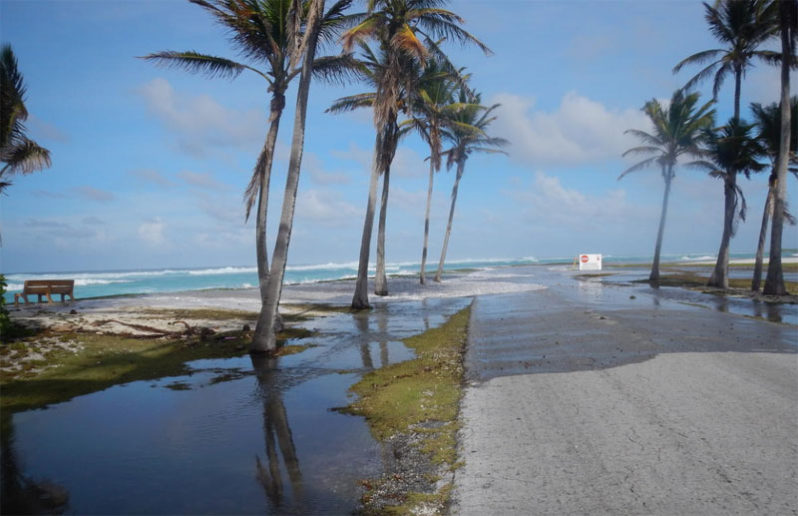
The frequency and severity of coastal flooding throughout the world will increase rapidly and eventually double in frequency over the coming decades even with only moderate amounts of sea level rise, according to a new study released in “Scientific Reports.”
How rising seas and coastal storms drowned the U.S. flood insurance program
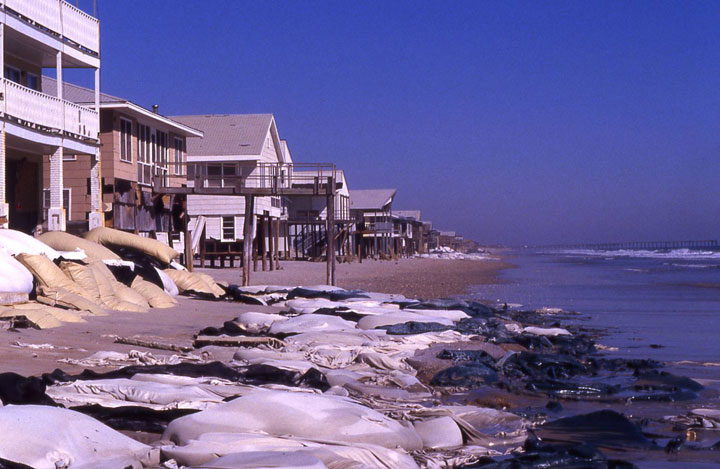
Sea level rise and more severe storms are overwhelming U.S. coastal communities, causing billions of dollars in damage and essentially bankrupting the federal flood insurance program. Yet rebuilding continues, despite warnings that far more properties will soon be underwater.
Sea level rise poses serious threat to Charleston; By Orrin H. Pilkey
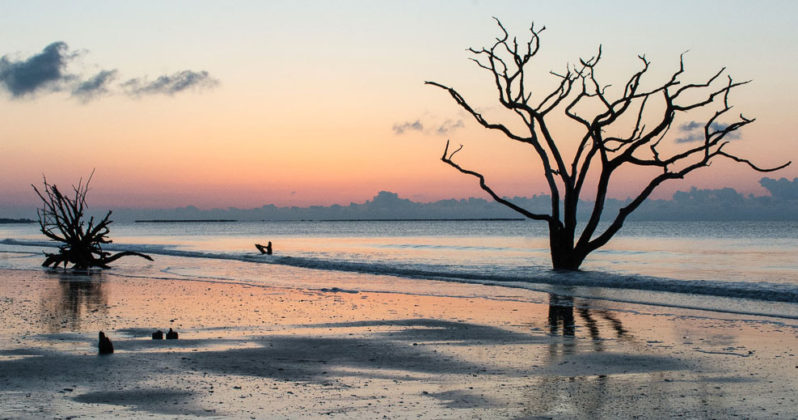
Rising seas are the first truly global environmental disaster related to climate change. Millions of people will be forced from their homes as the seas drown the atoll nations, devastate much of barrier-island and river-delta civilizations and, of course, invade the world’s coastal cities including Charleston.
In rare move, one South Florida city sues another in battle over beach erosion
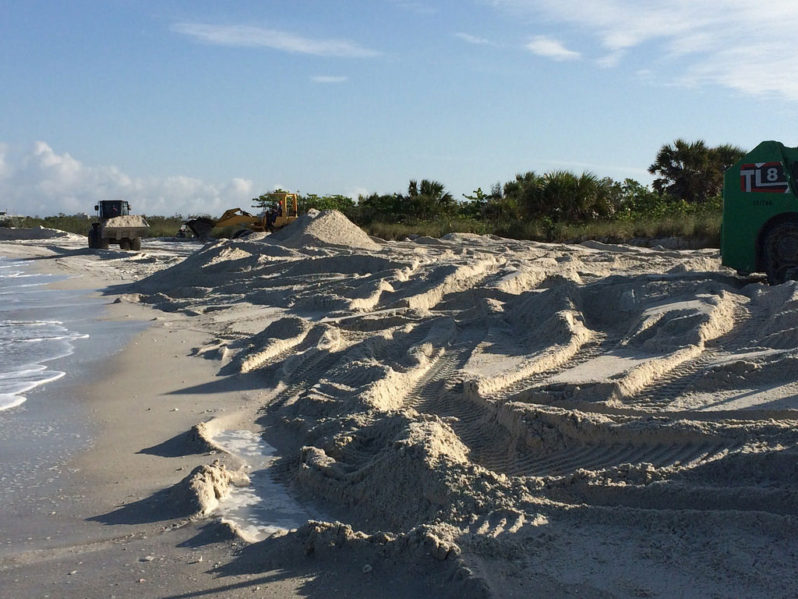
A spat over sand in adjacent cities finally landed in court this week, and it already has cost taxpayers hundreds of thousands of dollars.