
No debate anymore: Climate change makes extreme weather worse, federal scientists say – WUSF Public Media
Scientists at the U.S. National Oceanic and Atmospheric Administration (NOAA) delivered a clear message: Climate change is — unequivocally — making extreme weather events worse.
South Florida has always been hot, rainy and vulnerable to hurricanes. So it’s understandable that some longtime residents remain skeptical that climate change is doing anything to make the region’s age-old problems any worse…
Frans Lanting’s ‘Bay of Life’ Project Showcases Local Ecosystem – Good Times

I can almost smell smoke as I stare at one of the photographs on display…Deep orange flames swallow a hillside next to the ocean, and thick smoke blacks out the sky. It’s a photo from the 2020 CZU fire.
“We were engulfed by it,” says (Frans) Lanting. “Chris and I live in Bonny Doon. And we nearly lost our own home. But we banded together with neighbors to fight off the fire…”
Iconic photographers’ Bay of Life project comes to the MAH – Santa Cruz Sentinel via MSN
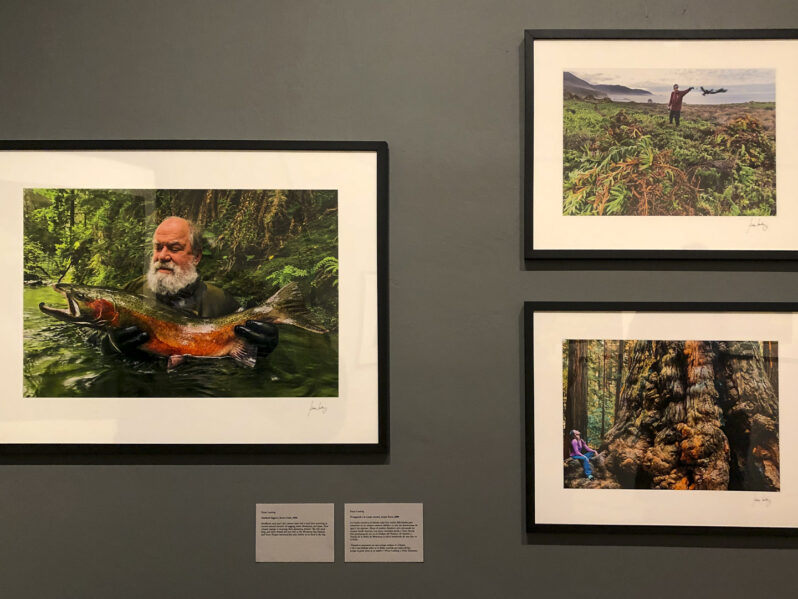
The legendary National Geographic photographer and storytelling team of Frans Lanting and Chris Eckstrom, have brought their latest book, “Bay of Life: From Wind to Whales,” from the page to the walls of the Santa Cruz Museum of Art and History in a photography exhibit that opens Thursday…
Gov. DeSantis touts post-Hurricane Ian beach renourishment funding – Florida Politics
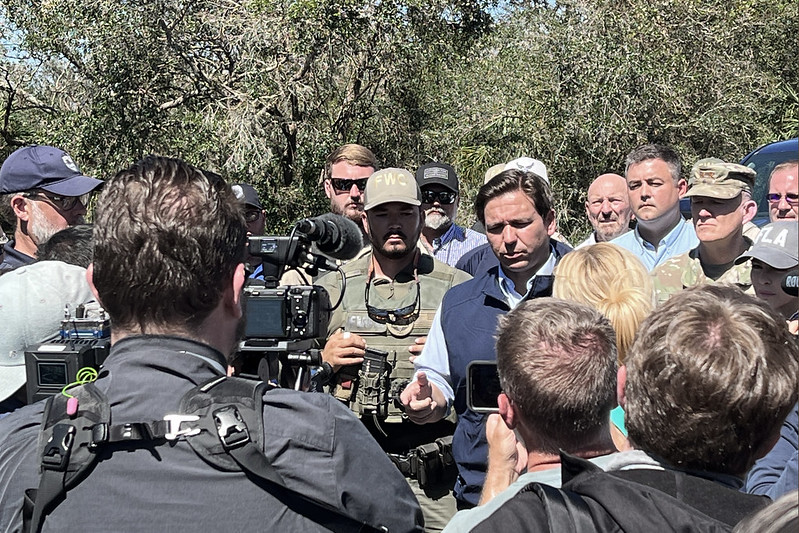
Volusia County is set to receive $37.7M out of the $100M set aside for beach renourishment.
Volusia County and other areas that suffered beach erosion from Hurricane Ian and Hurricane Nicole are set to receive $100 million for beach renourishment projects as part of legislation passed by lawmakers and signed by Gov. Ron DeSantis in December…
‘It’s reaching a crisis point’: Outer Banks leaders say they’re out of funding to save threatened beach communities – WRAL News
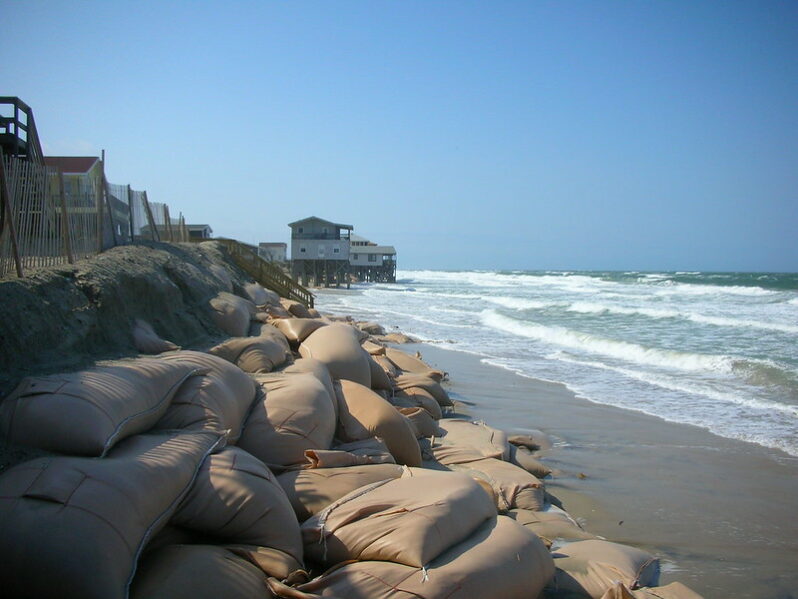
Dare County leaders said communities are at risk from coastal erosion, but state law is holding them back from finding potential solutions.
Dare County leaders said they can no longer afford to build back beaches in the Outer Banks that have been swallowed by the ocean, sending multiple houses collapsing in recent years…
Seeing Through Turbulence to Track Oil Spills in the Ocean – EOS Magazine
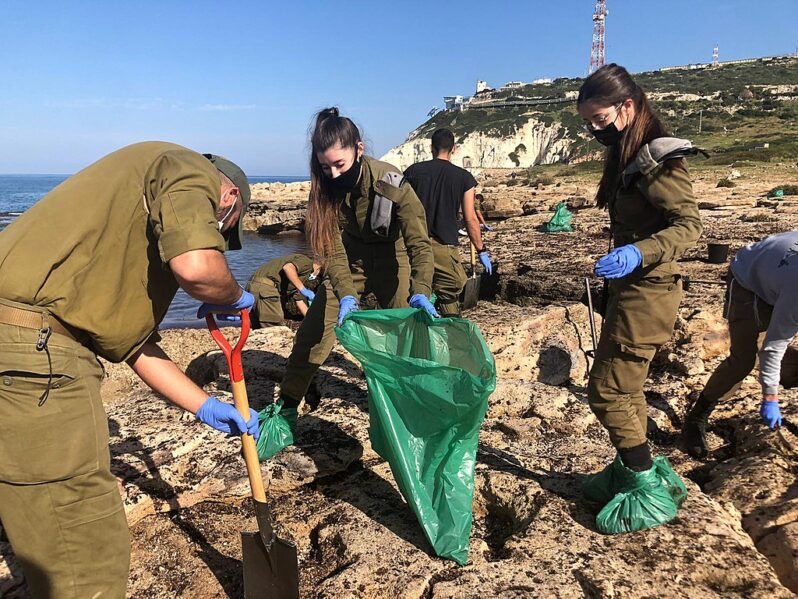
In mid-February 2021, heavy storms brought intense downpours to the eastern Mediterranean coast, keeping residents indoors. After the storms passed, residents returned to local beaches and noticed signs that something amiss had occurred offshore. In Israel, clumps of tarred sand appeared on beaches, along with oil-covered wildlife like turtles and fish. A dead 17-meter-long fin whale also washed ashore—an autopsy revealed oily liquid in its lungs, although the source of the oil was not identified definitively…
On the Coast: Before and After the Parade of Atmospheric Rivers – Planet Snapshots issue 59 via Medium
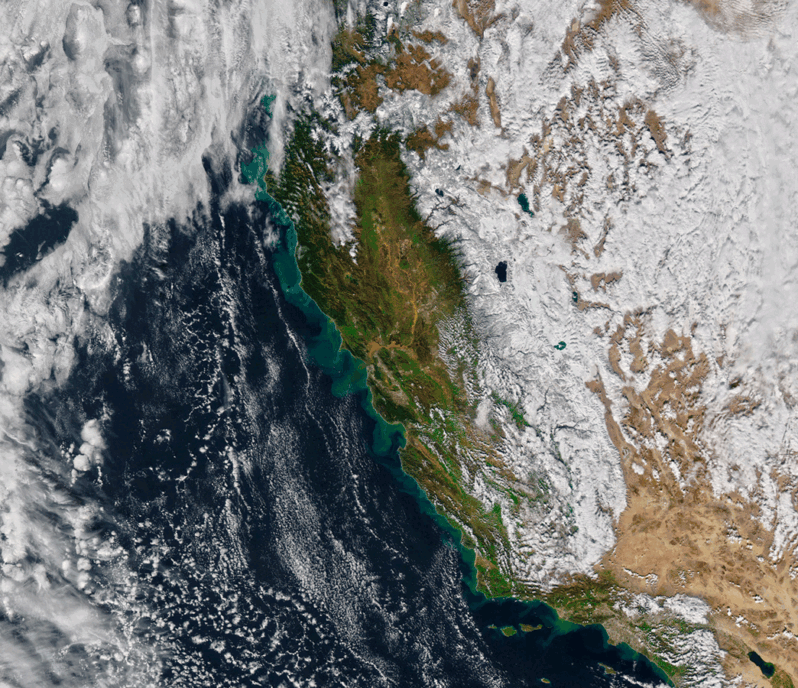
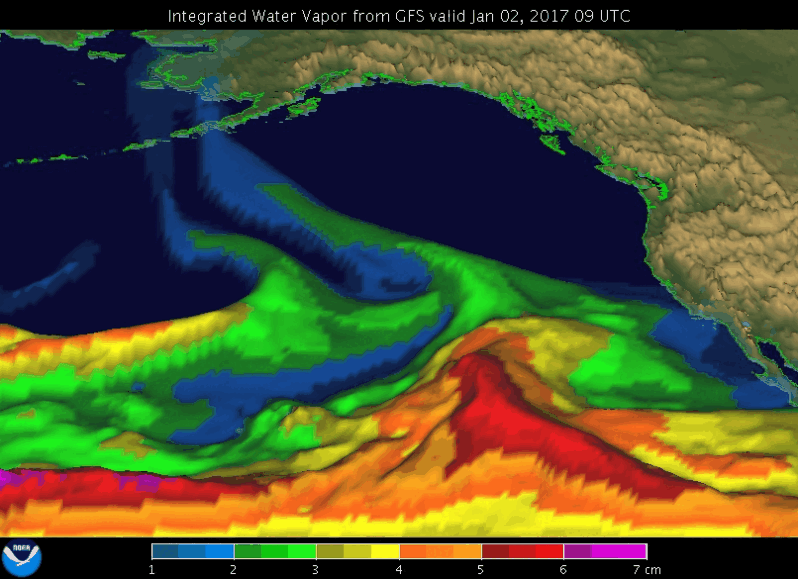
California is left drenched, flooded, and perhaps a little hopeful after recurring atmospheric rivers pummeled the state for 2 weeks straight. The rains are a small reprieve for the area’s years-long drought. But the sheer volume of rainfall was much more than the parched landscape could handle. With a turn of the faucet, the state went from too dry to too wet in what’s called a “weather whiplash,” transforming the Golden State to shades of brown…
The Climate Impact of Your Neighborhood, Mapped – Interactive Feature – the New York Times
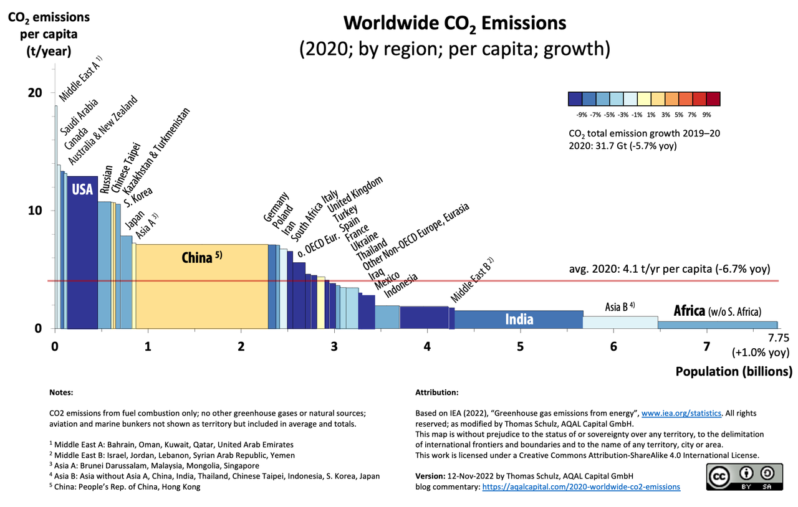
New data shared with The New York Times reveals stark disparities in how different U.S. households contribute to climate change. Looking at America’s cities, a pattern emerges.
Households in denser neighborhoods close to city centers tend to be responsible for fewer planet-warming greenhouse gases, on average, than households in the rest of the country. Residents in these areas typically drive less because jobs and stores are nearby and they can more easily walk, bike or take public transit…
‘Inside we are all struggling’: storm-bruised California begins recovery – the Guardian
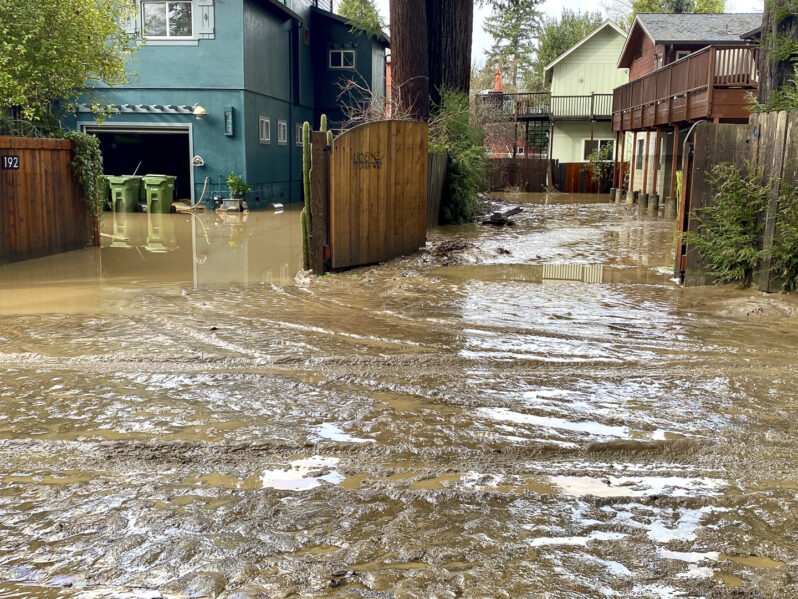
From hillside towns like Felton to the picturesque coastal enclave of Capitola, the long road to recovery from disaster is only beginning. The county was declared a major disaster zone by Joe Biden, who visited Capitola on Thursday to survey the damage and said it would “take years to rebuild”…